Joaquim Sunyer and Mediterranean painting
Joaquim Sunyer (Sitges, 1874) was the leading painter of Noucentisme. His years in Paris, Mediterrània, Pastoral, Cala Forn and his ties to Sitges.
Published 4 min read
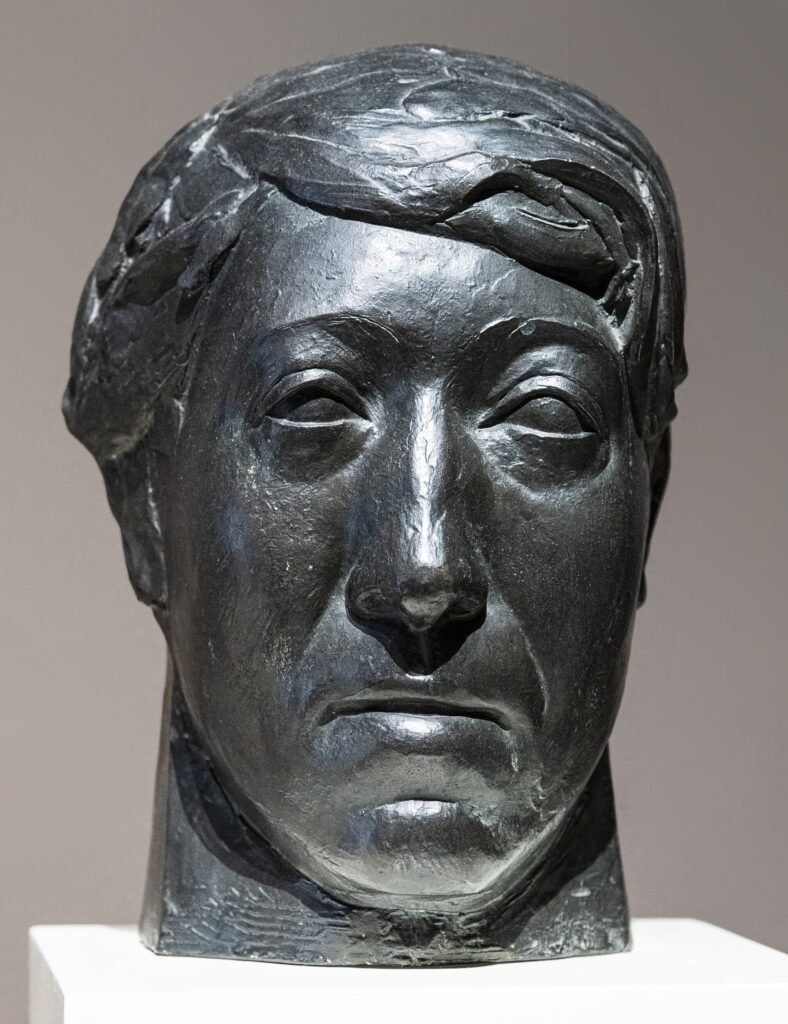
_Retrat_del_pintor_Joaquim_Sunyer_-_Manolo_Hugu%C3%A9_-_Museu_Nacional_d%27Art_de_Catalunya.jpg)
There is a way of looking at the Mediterranean, luminous, serene and almost timeless, that Catalan painting owes in large part to Joaquim Sunyer. Born in Sitges in 1874, he became the leading painter of Noucentisme, and the landscapes and people of his home town were among the foundations of that vision.
From Sitges to Paris
Joaquim Sunyer i de Miró was born in Sitges in 1874 and was the nephew of the painter Joaquim de Miró. At around fifteen he moved with his family to Barcelona, where he studied at the Llotja school of fine arts; in the 1894-1895 academic year his fellow students included Joaquim Mir, Isidre Nonell, Joaquín Torres-García and Xavier Gosé. His painting at the time was close to that of the so-called Colla del Safrà, although there is no record that he belonged to the group.
In 1896 he settled in Paris. For more than a decade he lived mainly by illustrating books and magazines, painted street scenes and intimate interiors, and mixed with artists such as Picasso and Manolo Hugué. He exhibited in Paris and Liège, and in 1909 he was approached by Eugeni d’Ors, the chief theorist of Noucentisme, who would soon see his work as a model.
The Mediterranean turn
A stay in Sitges in 1908 marked a change of direction. Sunyer left the Parisian atmosphere behind and began to build a more ordered, considered kind of painting, in which the lessons of Cézanne and Gauguin are applied to the landscape and people of the Catalan coast. Between 1908 and 1911 he painted three works that brought him recognition: Maternitat, Mediterrània and Pastoral.
Mediterrània (1910-1911), now in the Carmen Thyssen collection, shows nude figures in an idealised coastal landscape and is regarded as one of the founding works of Noucentista painting: the landscape of his home region recast as an image of a classical Mediterranean. Pastoral (1911) was praised by the poet Joan Maragall in the magazine Museum, who presented it as a work of genuinely Catalan character.
1911: the painter of Noucentisme
The exhibition Sunyer held in 1911 at the Faianç Català galleries in Barcelona, with some sixty works, was a success and quickly established him as the leading figure in Catalan painting at the time. Noucentisme, the movement that championed order, clarity and the classical Mediterranean tradition in reaction to the exuberance of Modernisme, found in him its most representative easel painter, according to the Enciclopèdia Catalana.
He then spent periods in Céret (1912) and Italy (1913), and during the First World War he settled in Barcelona. In 1917 he painted Cala Forn, a view of the Sitges coastline now held by the Museu Nacional d’Art de Catalunya and regarded as a synthesis of classicism, idealism and humanisation. In 2017 the painting’s centenary was marked with an installation in the Sala Sert of the Museu de Maricel, where it was shown alongside Pastoral.
Sitges as a studio
In 1919 Sunyer settled in Sitges with his family. From the 1920s he concentrated more on portraits, domestic scenes and the nude, and landscape took second place, though he kept painting lesser-known spots around the town, such as the Clot dels Frares, the Riera de Ribes and Miralpeix. He exhibited at the Salon d’Automne in Paris (1920 and 1924), in Barcelona and in Madrid. During the Spanish Civil War he lived in Provence, Italy and Paris, and in 1942 he returned to Barcelona, where he went on exhibiting into the 1950s.
In his later years he received the French Légion d’honneur (1949) and the grand prize at the Havana Biennial (1954). He died in 1956.
A legacy of seeing
Sitges has been home to several generations of painters, from Santiago Rusiñol and the Modernistas to Sunyer’s Noucentista calm. The poet and critic Gabriel Ferrater saw in his work an accomplished expression of happiness, and that luminous calm is perhaps his most recognisable legacy. Anyone walking by the sea or along the Sitges beaches today can still recognise the light and coastline he turned into an image of the Mediterranean.
Sources and further reading
Keep reading
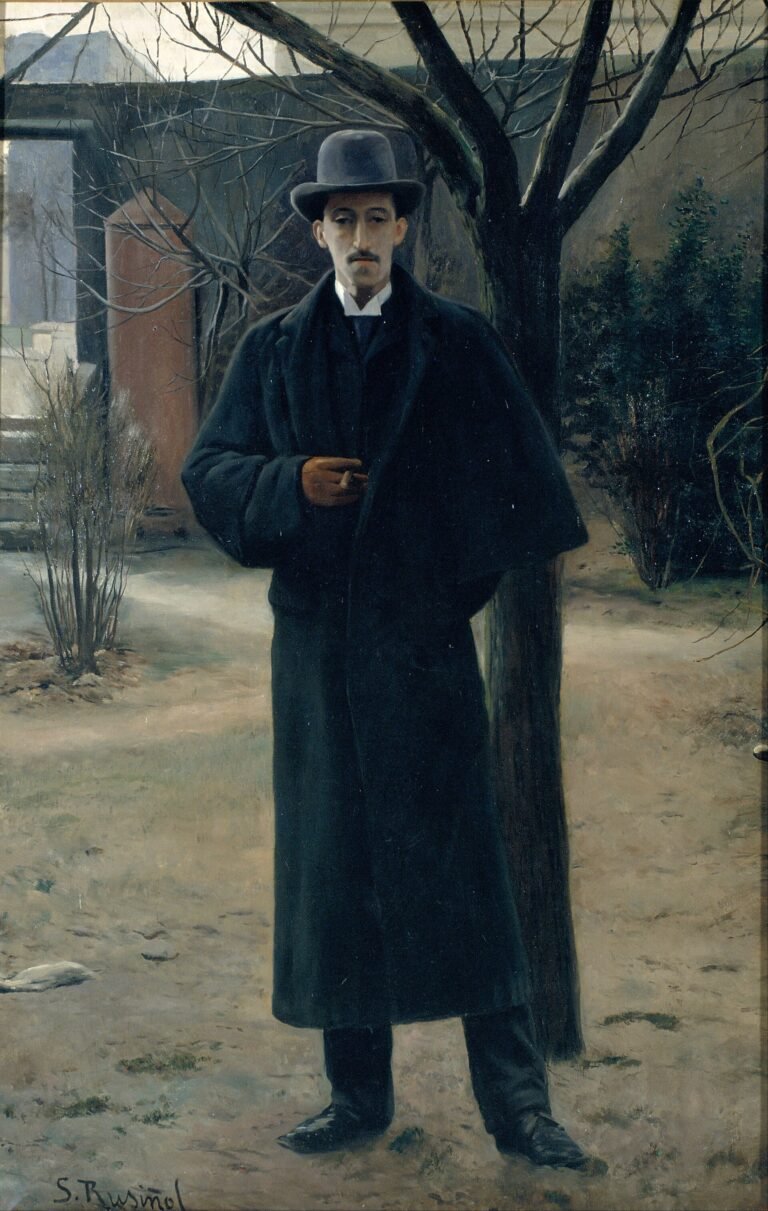
Notable figures
Miquel Utrillo and the creation of Maricel
Engineer, painter and cultural promoter: the life of Miquel Utrillo and his role as artistic director of the Maricel complex in Sitges from 1910 to 1918.
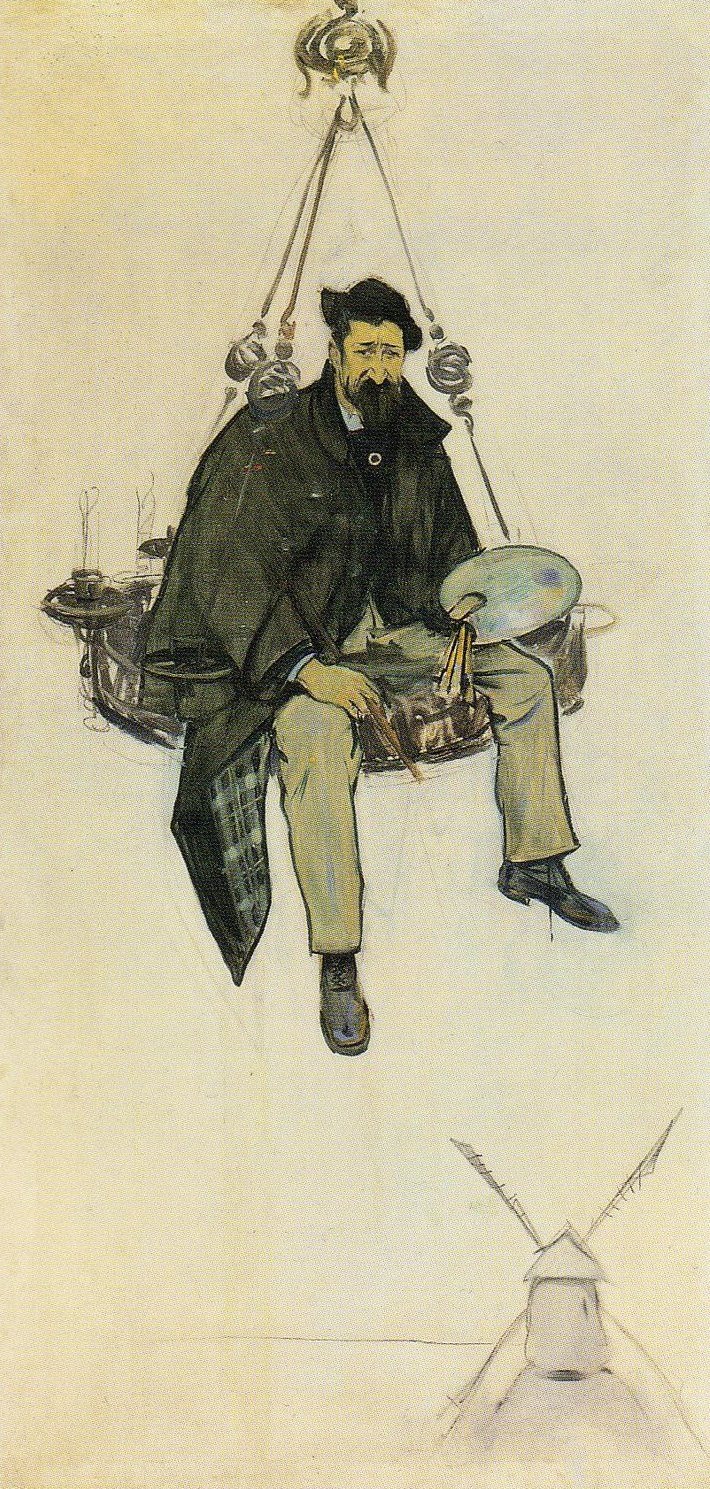
Notable figures
Santiago Rusiñol and Sitges
How Santiago Rusiñol discovered Sitges in 1891, led the Modernista Festivals from 1892 to 1899 and left his Cau Ferrat to the town when he died in 1931.
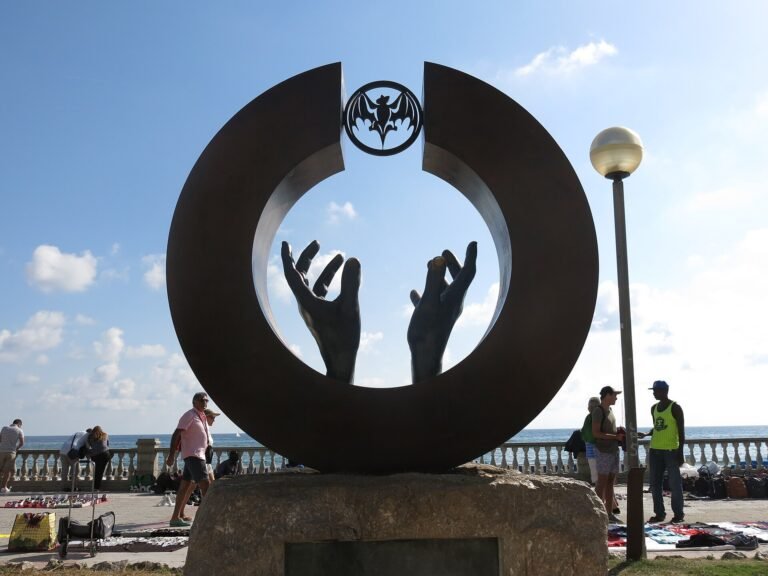
Notable figures
Facundo Bacardí and his Sitges roots
Facundo Bacardí was born in Sitges and founded Bacardí in Santiago de Cuba in 1862. What is known about his life, his birthplace and his traces in town.