History & Curiosities
Sitges history and curiosities
From the Neanderthals of the Cova del Gegant to the modernista artists and the “americanos”: articles to understand how Sitges came to be.
Sitges is much more than beaches and festivals. Behind its white streets lie centuries of history: a walled town on the rock of La Punta, generations of fishermen, sailors and winegrowers, emigrants who made their fortune in the Americas and came back to build their houses, and a group of artists who, led by Santiago Rusiñol, turned the town into a landmark of Catalan Modernisme.
This section brings together accessible articles on the history, notable figures, traditions, buildings and curiosities of Sitges. They are based on official and specialist sources (Museus de Sitges, the Town Council, heritage inventories and published research), separate documented facts from tradition, and always end with their sources.
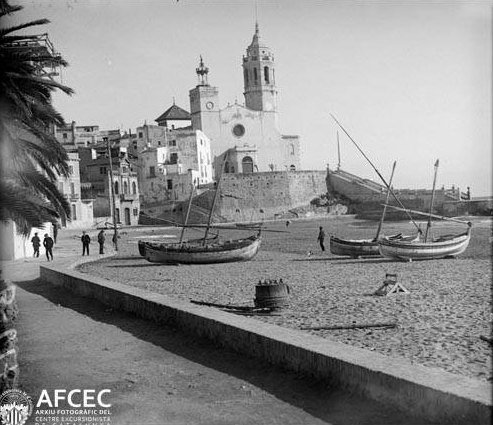

Explore the articles
30 articles
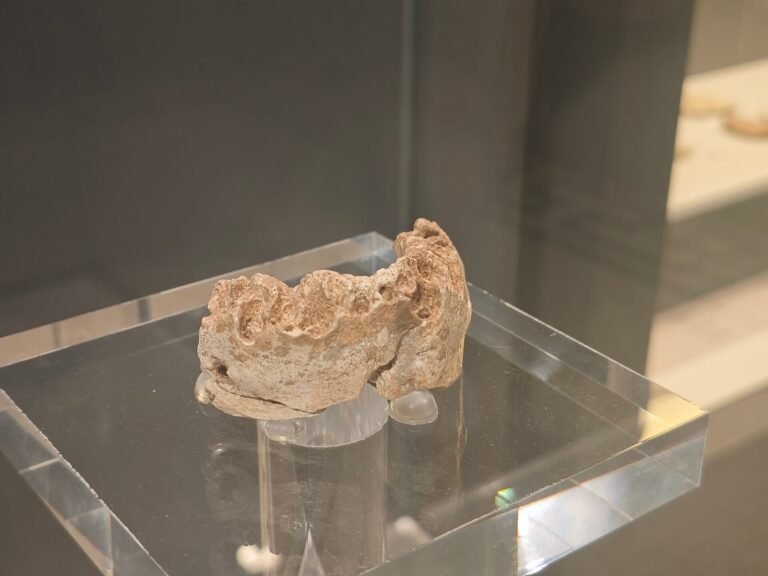
History of Sitges
The first settlers of Sitges
Neanderthals in the Cova del Gegant, Neolithic farmers and Bronze Age burials: what archaeology tells us about the earliest people to live in Sitges.
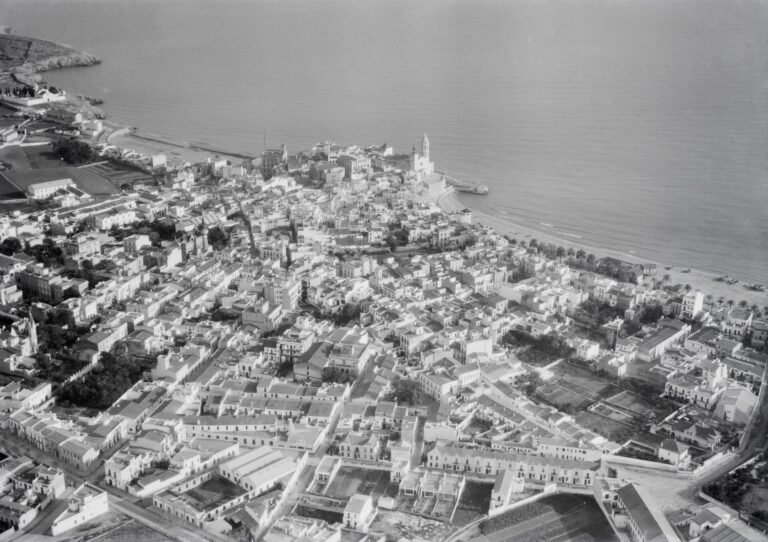
History of Sitges
Sitges in Roman times
The Roman villa at El Vinyet, a sarcophagus turned into a fountain and the riddle of Subur: what archaeology does and does not tell us about Roman Sitges.
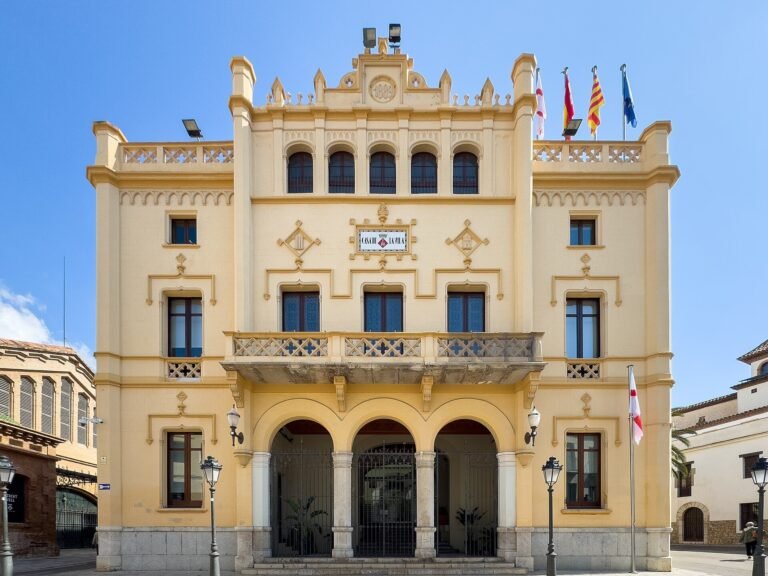
History of Sitges
The medieval origins of Sitges
From the first 10th-century mentions to the lordship of the Pia Almoina: how the medieval town of Sitges grew up around its castle, church and walls.
History of Sitges
Sitges Castle and Its Old Town Walls
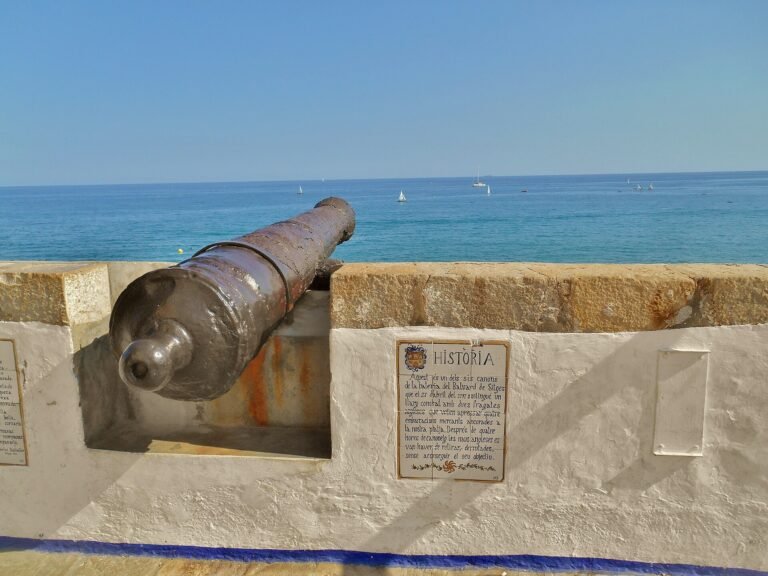
From the bishops' castle to today's Town Hall: the towers, gates and surviving medieval walls of Sitges, and the artillery duel with Britain in 1797.
History of Sitges
Sitges and Its Seafaring Tradition
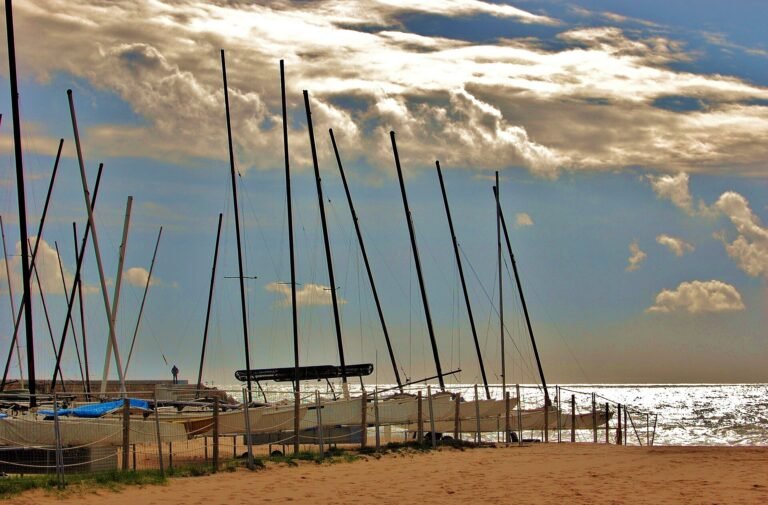
Merchant ships, voyages to the Americas and the Baltic, corsairs, fishermen and the Emerencià Roig collection: the story of Sitges as a seafaring town.
History of Sitges
Trade with the Americas and the Return of the “Americanos”
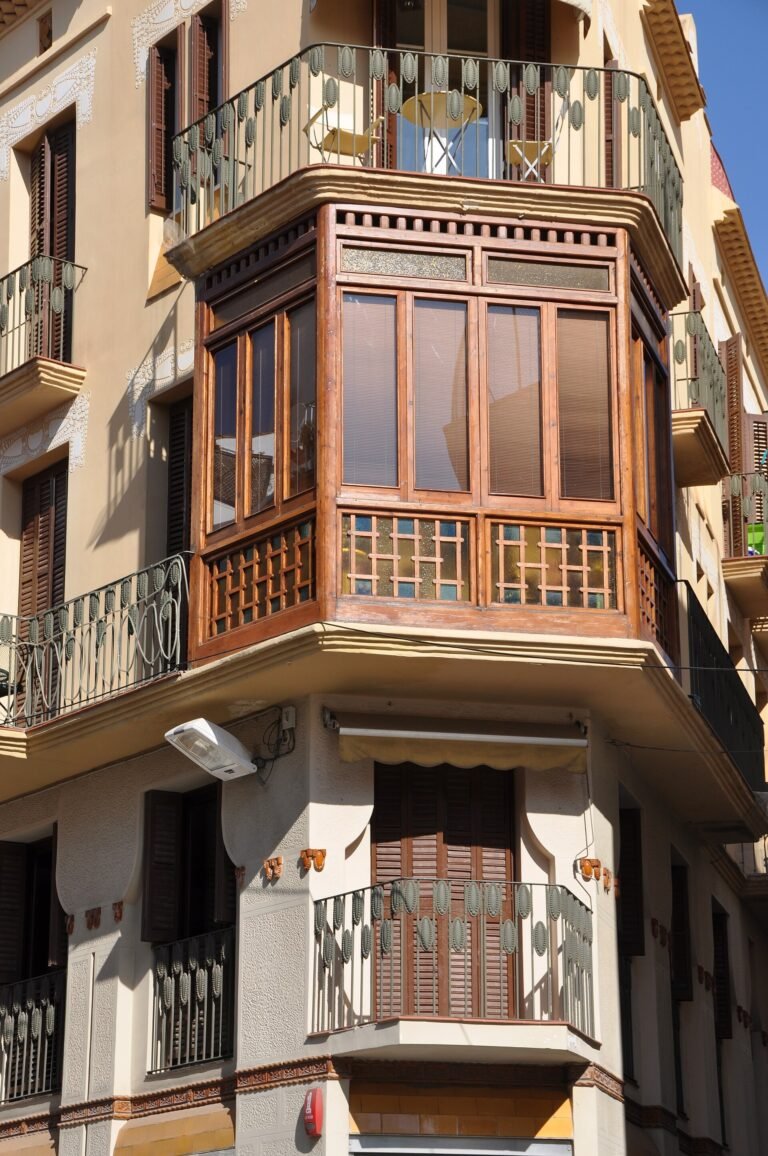
Ships, wine and emigration to Cuba and Puerto Rico: how the 'americanos' of Sitges made their fortunes overseas and transformed the town on their return.
Notable figures
Santiago Rusiñol and Sitges
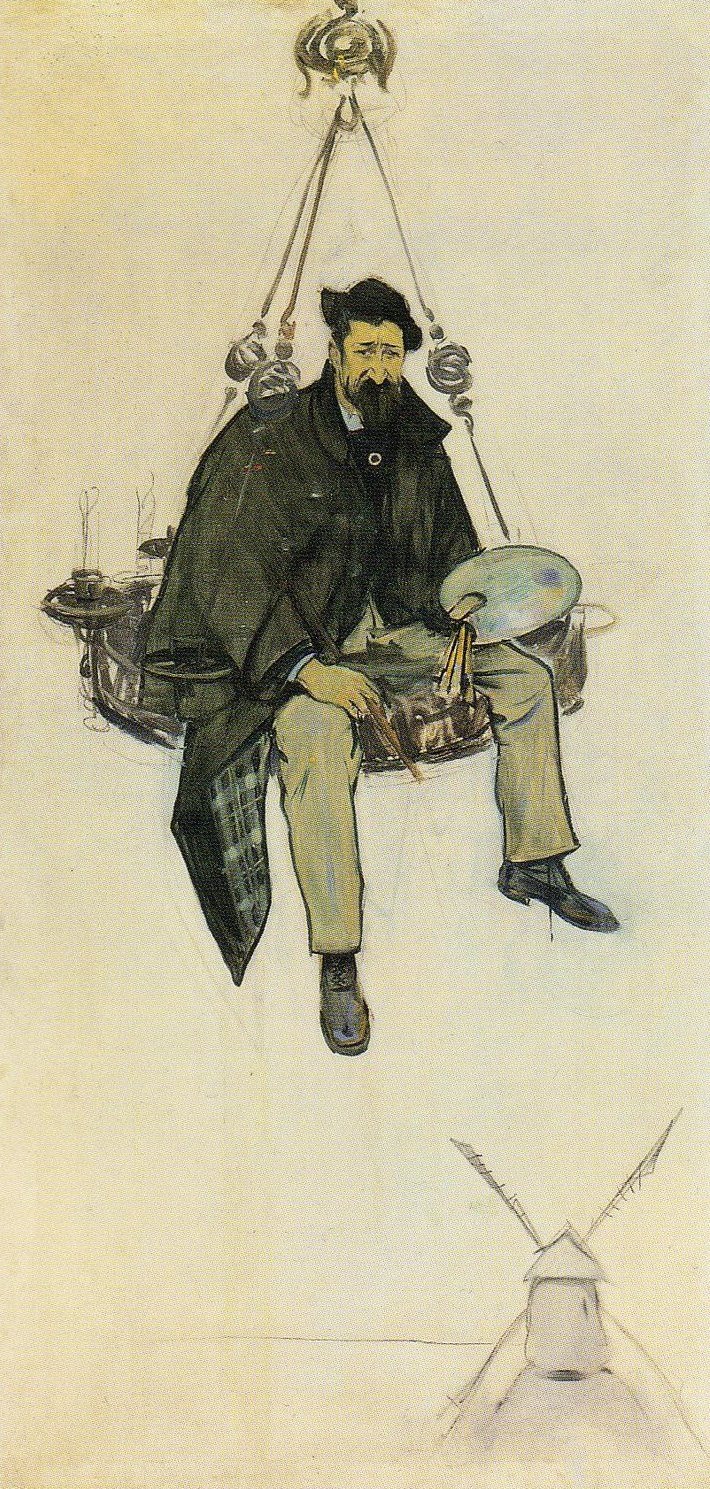
How Santiago Rusiñol discovered Sitges in 1891, led the Modernista Festivals from 1892 to 1899 and left his Cau Ferrat to the town when he died in 1931.
Notable figures
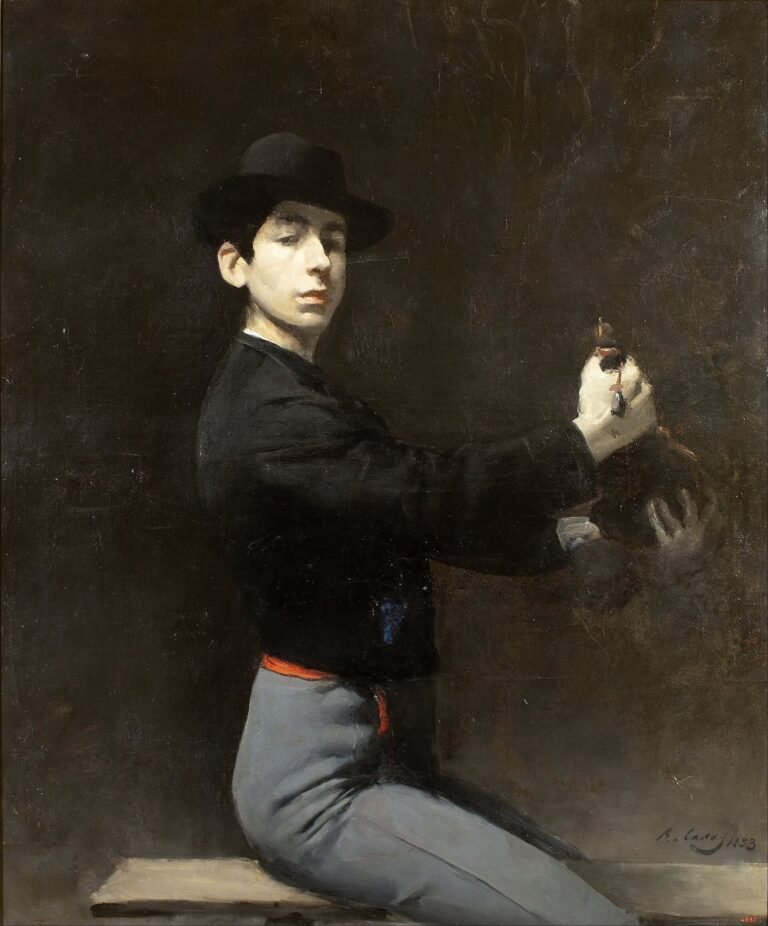
Ramon Casas and the Modernista artists in Sitges
Ramon Casas, the Luminist painters and the circle of musicians and writers who, alongside Rusiñol, made Sitges a centre of Catalan Modernisme.
Notable figures
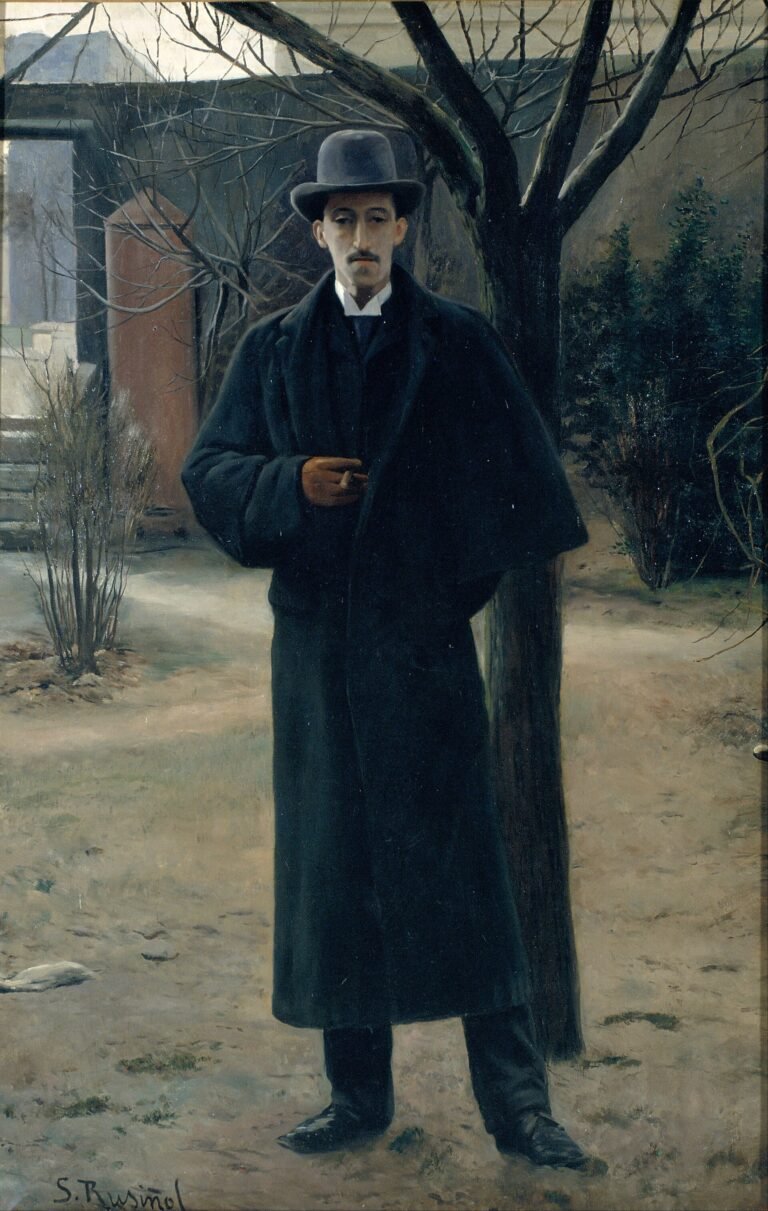
Miquel Utrillo and the creation of Maricel
Engineer, painter and cultural promoter: the life of Miquel Utrillo and his role as artistic director of the Maricel complex in Sitges from 1910 to 1918.
Notable figures
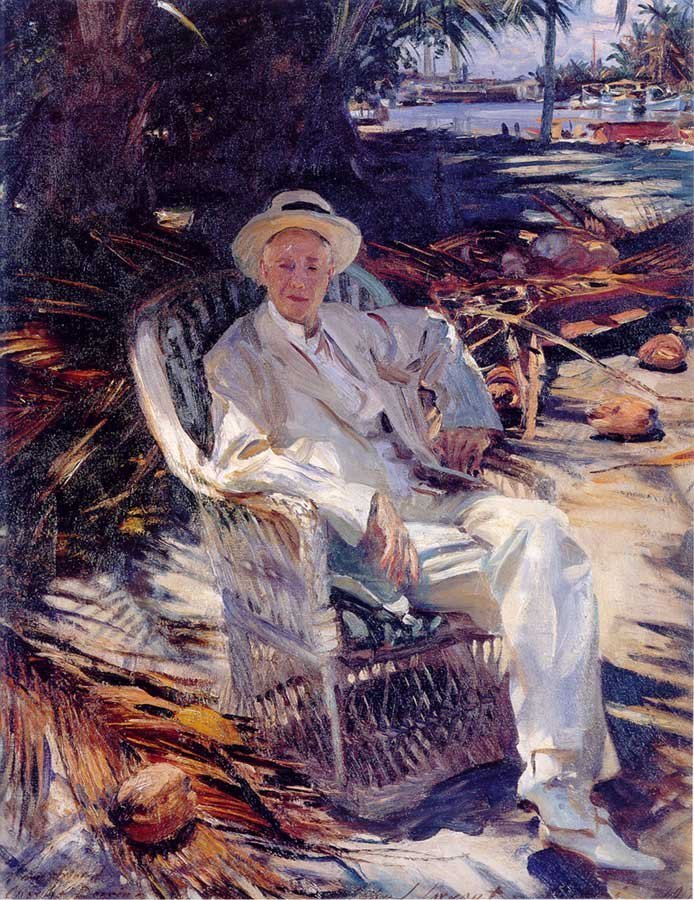
Charles Deering, the collector who transformed Sitges
Who was Charles Deering, the Chicago industrialist who created Maricel in Sitges? How he built his art collection and what became of it after 1921.
Notable figures
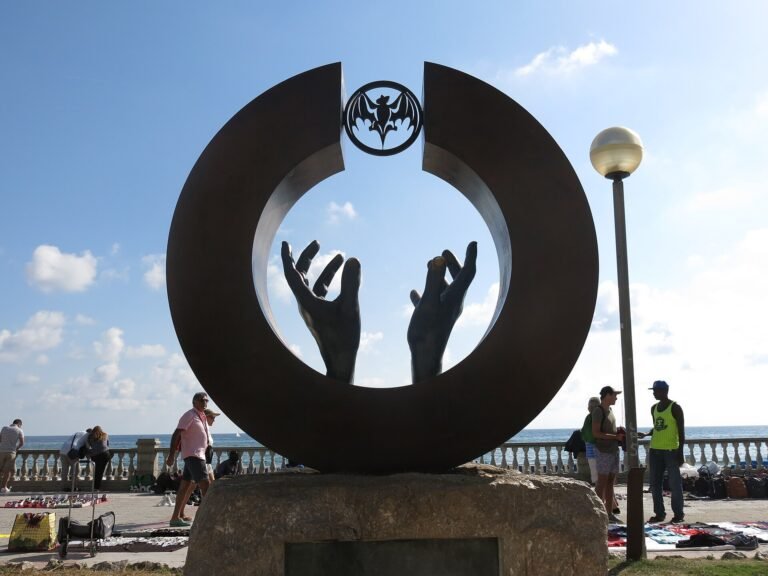
Facundo Bacardí and his Sitges roots
Facundo Bacardí was born in Sitges and founded Bacardí in Santiago de Cuba in 1862. What is known about his life, his birthplace and his traces in town.
Notable figures
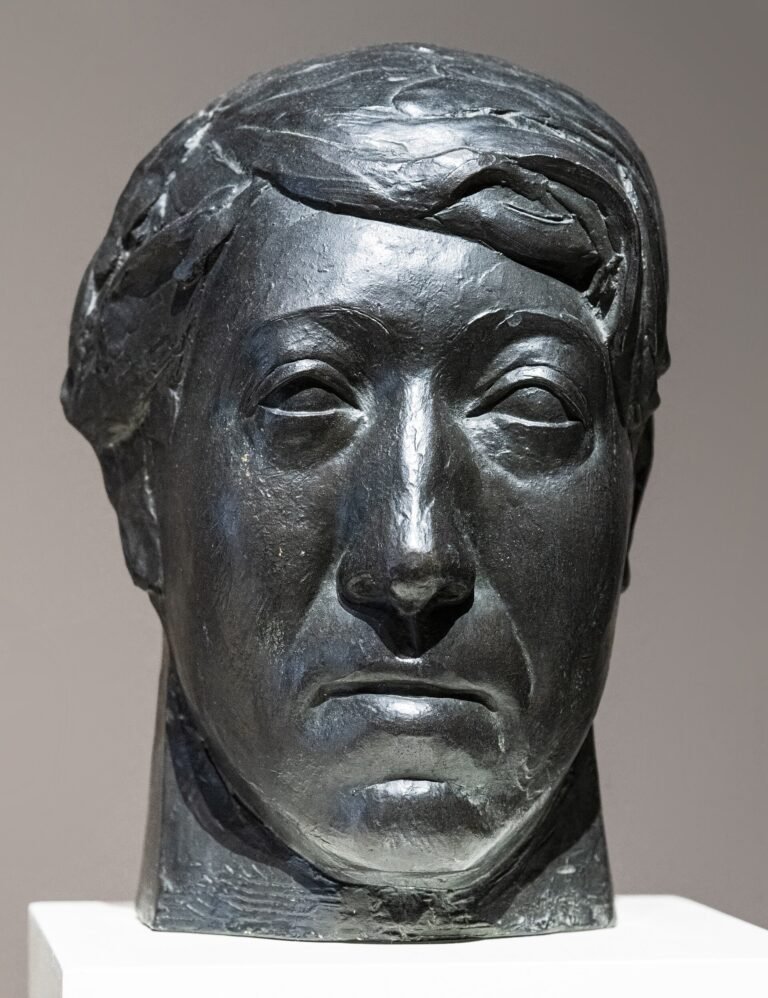
Joaquim Sunyer and Mediterranean painting
Joaquim Sunyer (Sitges, 1874) was the leading painter of Noucentisme. His years in Paris, Mediterrània, Pastoral, Cala Forn and his ties to Sitges.
Traditions and legends
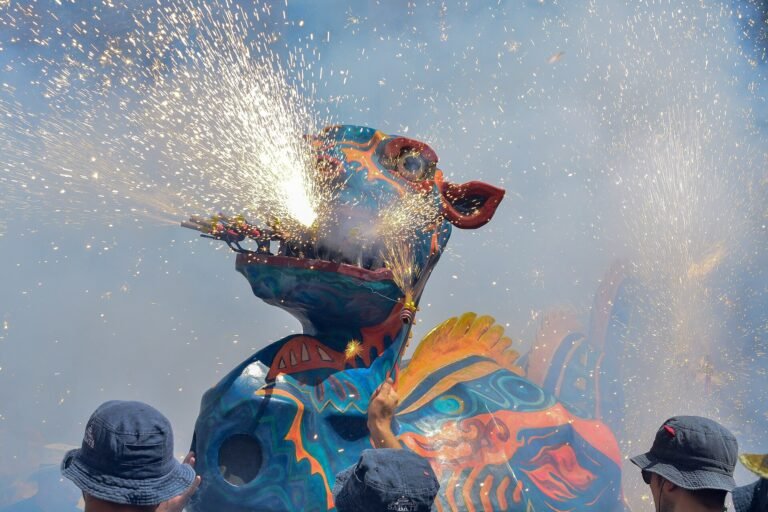
The history of the Sitges Festa Major
From its first mention in 1353 to heritage festival of national interest: how the Festa Major of Sant Bartomeu in Sitges began and has evolved.
Traditions and legends
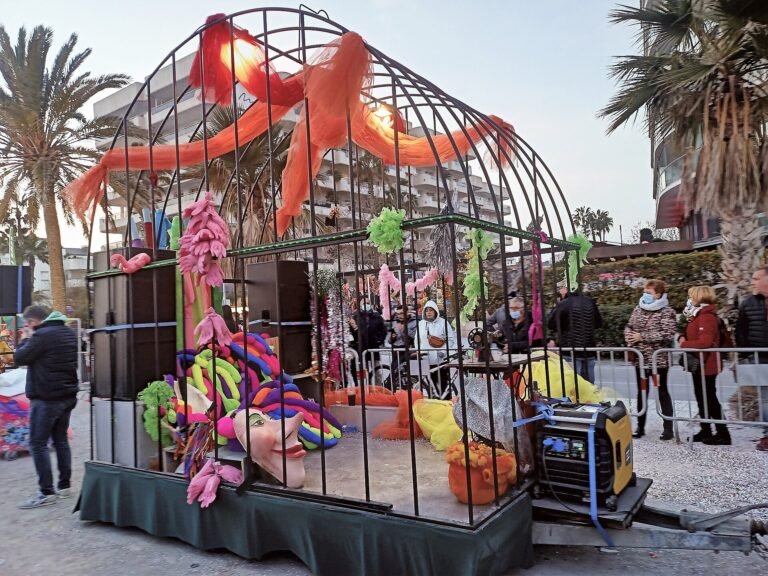
The origins and evolution of the Sitges Carnival
From the first recorded dance in 1586 to its return to the streets in 1976: bans, the Retiro and Prado clubs and the history of Sitges Carnival.
Traditions and legends
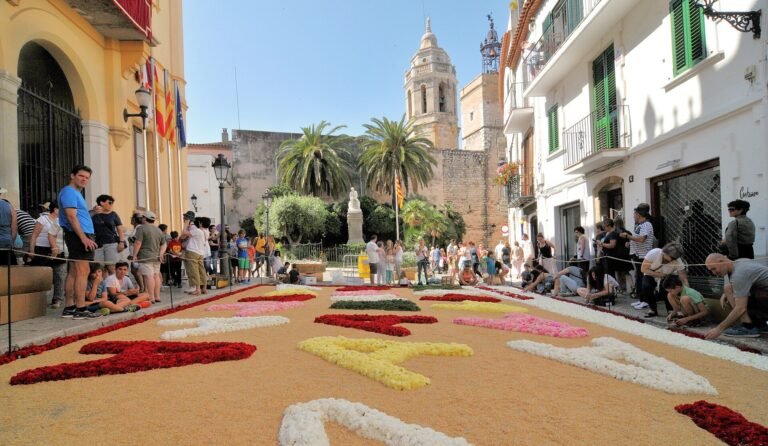
Corpus Christi and the flower carpets of Sitges
From the first record in 1360 to today's 300,000 carnations: how Corpus Christi in Sitges and its flower carpets began and evolved over time.
Traditions and legends
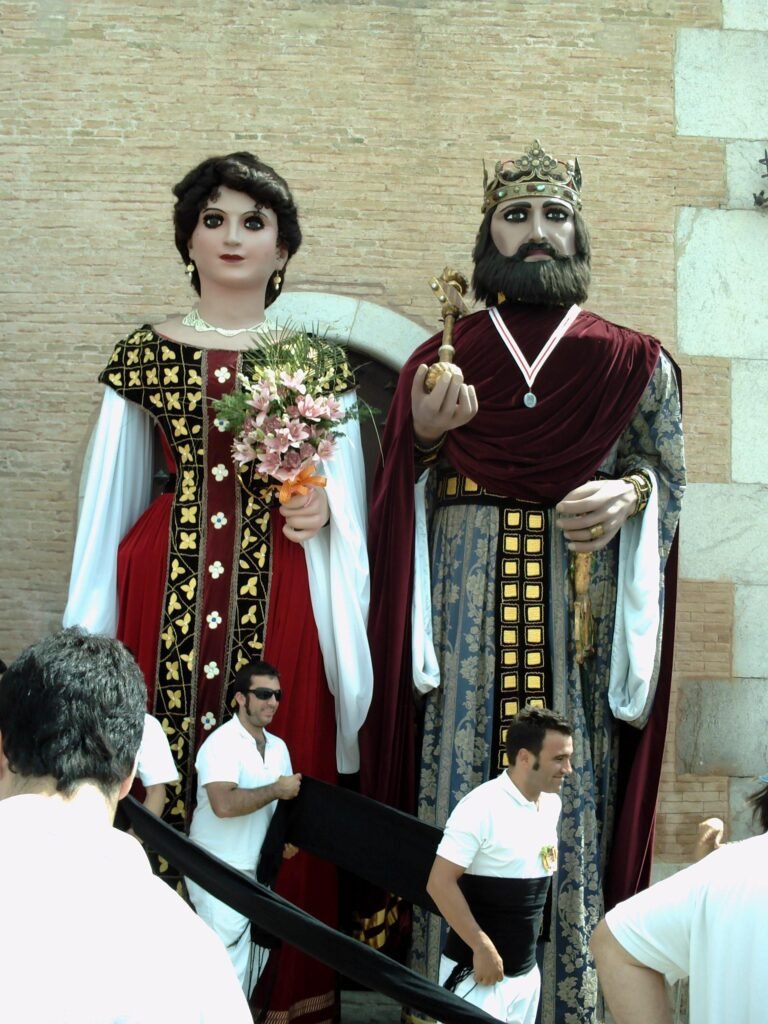
Giants and traditional festival figures of Sitges
The Christian, Moorish and Cuban giants, the 1922 Drac, the Àliga, the Diables and the Moixiganga: the documented story of the Sitges Festa Major figures.
Traditions and legends
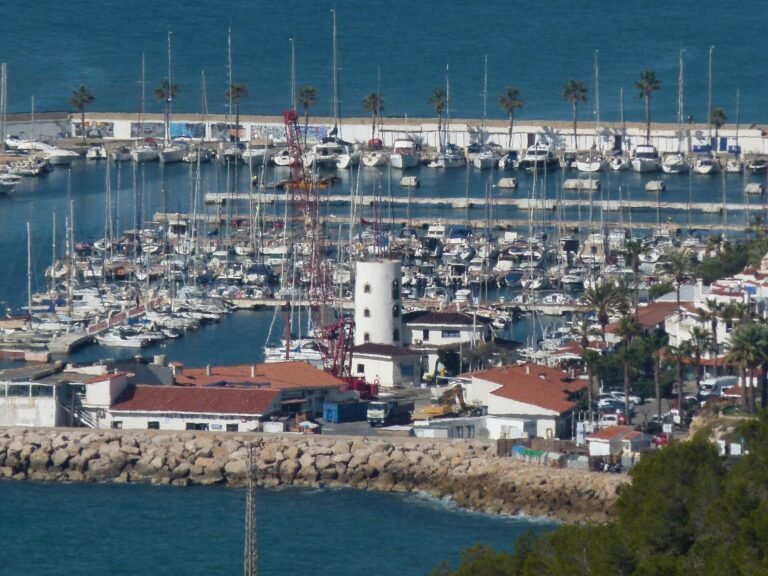
The seafaring festivals of Sitges
Sant Elm, the Mare de Déu del Vinyet and the Carme boat procession: which seafaring festivals are held in Sitges and what the sources actually say.
Traditions and legends
Legends and folk tales of Sitges
The Virgin of El Vinyet, the treasure caves and the sirens of the Garraf coast: the legends of Sitges collected by Joan Amades, told as legends.
Historic buildings
The Cau Ferrat and Santiago Rusiñol
From the studio Rusiñol built from two fishermen's houses in 1893–1894 to the museum opened in 1933 and restored in 2010–2014: the Cau Ferrat's story.
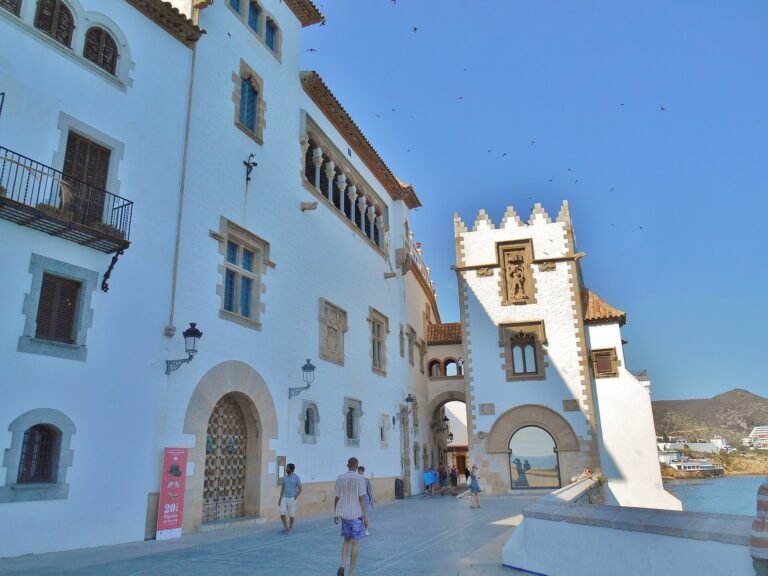
Historic buildings
The Palau de Maricel and its construction
From the medieval Hospital of Sant Joan to Charles Deering's home: how Maricel was built between 1910 and 1918, its halls and its uses up to the museum.
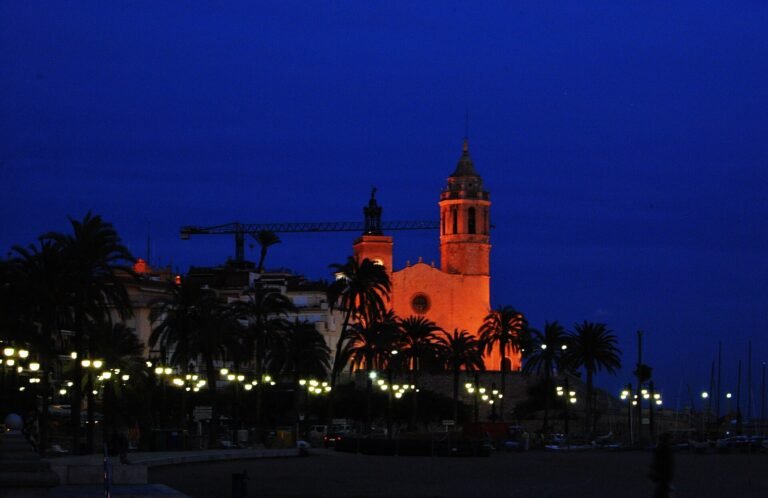
Historic buildings
The church of Sant Bartomeu i Santa Tecla: history of the church on La Punta
History of Sitges parish church: medieval origins, the Baroque building of 1665-1672, altarpieces, Triay's organ, the bell tower and the losses of 1936.
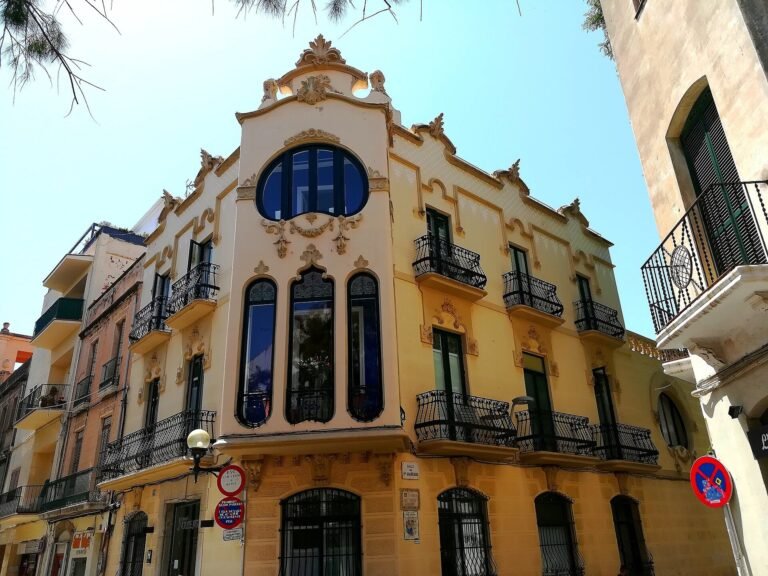
Historic buildings
The houses of the americanos
Who the americanos of Sitges were, why they built grand houses on returning from Cuba, and which documented examples can be seen in the town centre today.
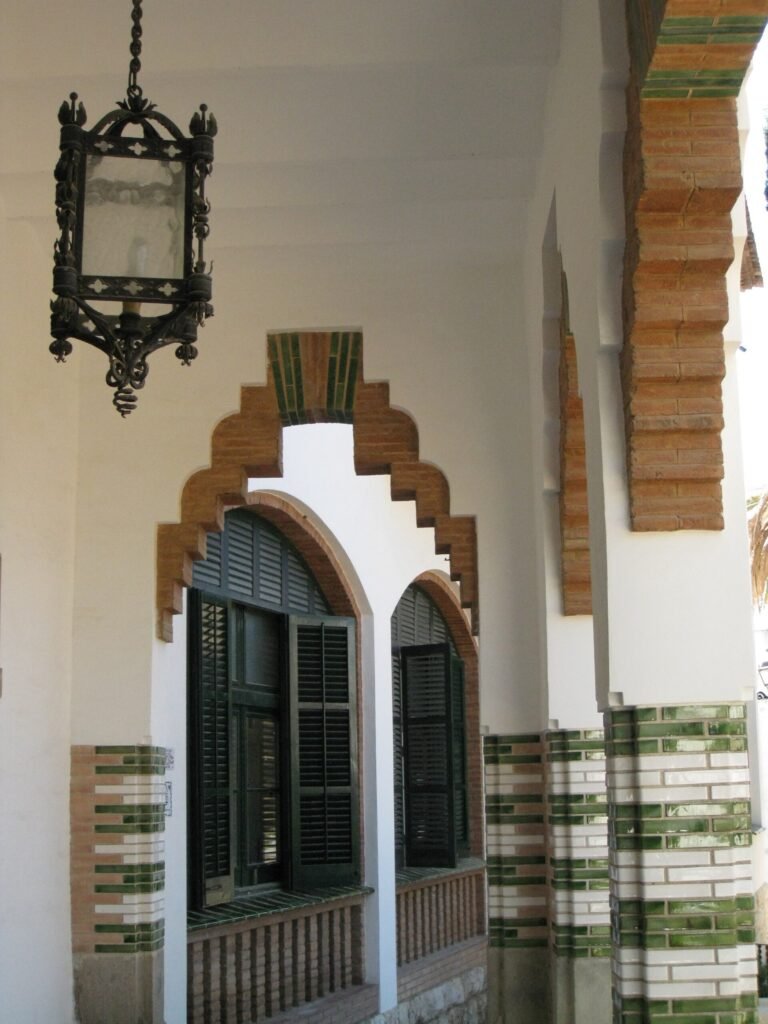
Historic buildings
The Hospital de Sant Joan Baptista: from medieval hospital to Modernista building
From Bernat de Fonollar's medieval hospital, sold to Deering to build Maricel, to the Modernista building by Font i Gumà that opened in 1912.
Historic buildings
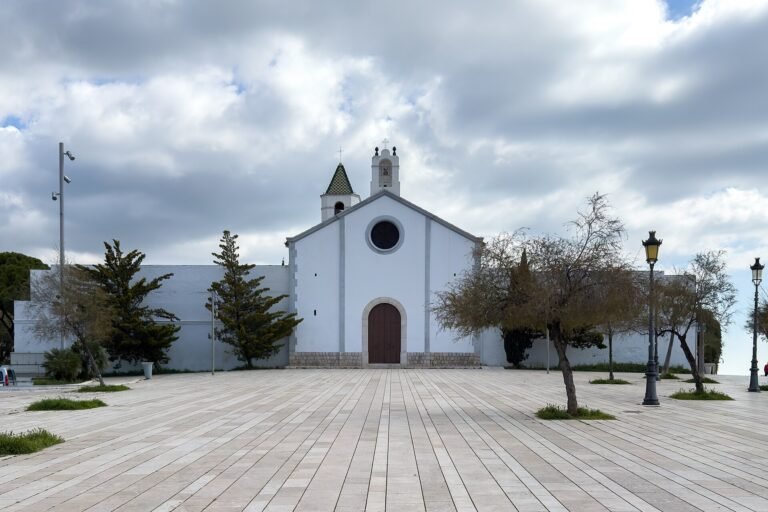
Sant Sebastià cemetery and its artistic heritage
History of Sitges' Sant Sebastià cemetery: blessed in 1814, with Francesc Cros's gateway, tombs by Llimona and Rogent and the artists buried there.
Sitges curiosities
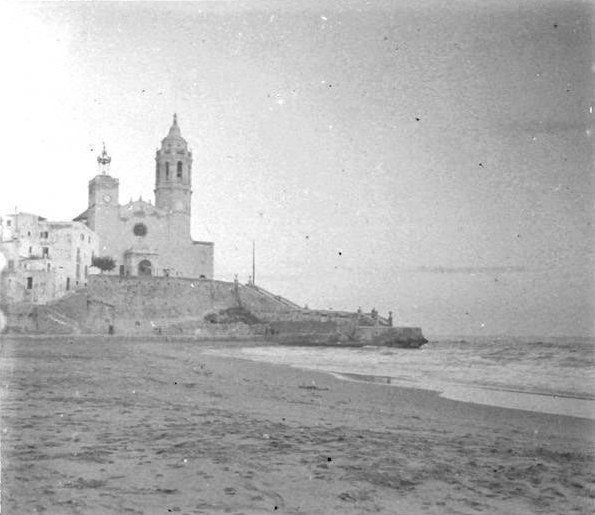
Where does the name Sitges come from?
Sitges is the plural of Catalan 'sitja': grain silos or pits in the rock. Its first 10th-century mentions, medieval spellings and Coromines' views.
Sitges curiosities
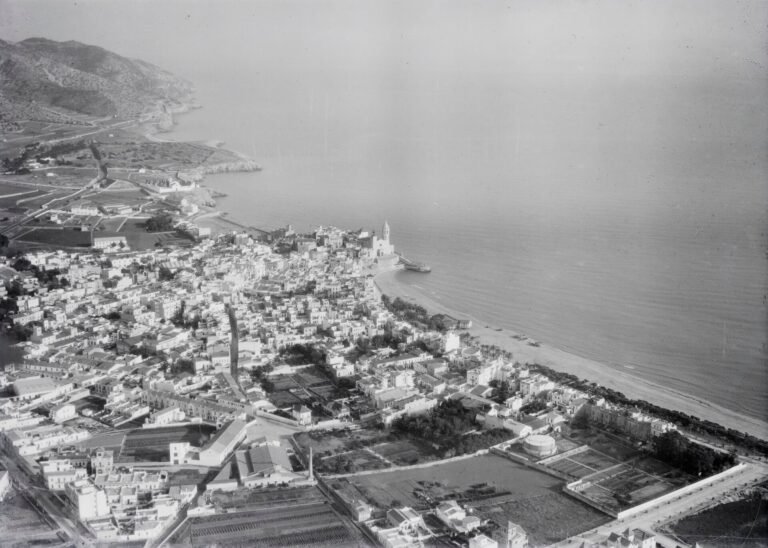
Why is Sitges called the “Blanca Subur”?
Subur was a Roman town named by Pliny and Ptolemy. Why it is linked to Sitges, what archaeology shows, and where the 'Blanca' (white) nickname comes from.
Sitges curiosities
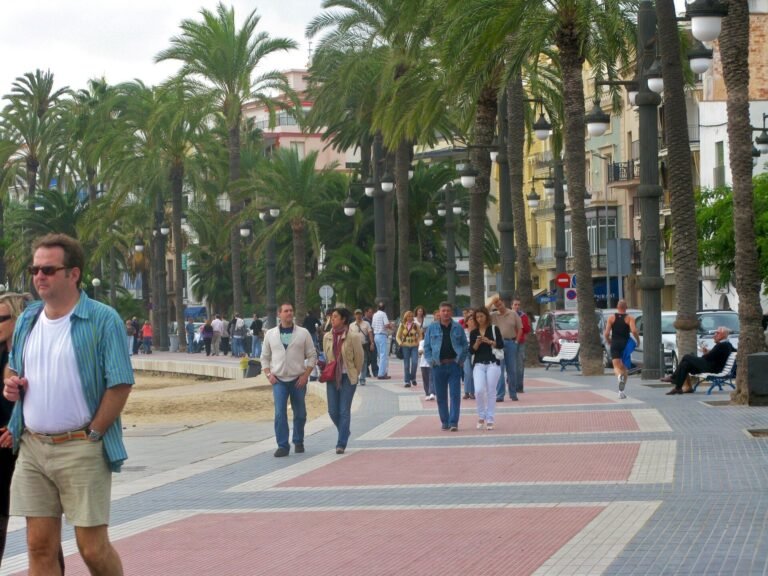
The history of Sitges beaches
From fishermen's sand to the Passeig de la Ribera, sea bathing, the Terramar garden city and 20th-century breakwaters: how the beaches of Sitges changed.
Sitges curiosities
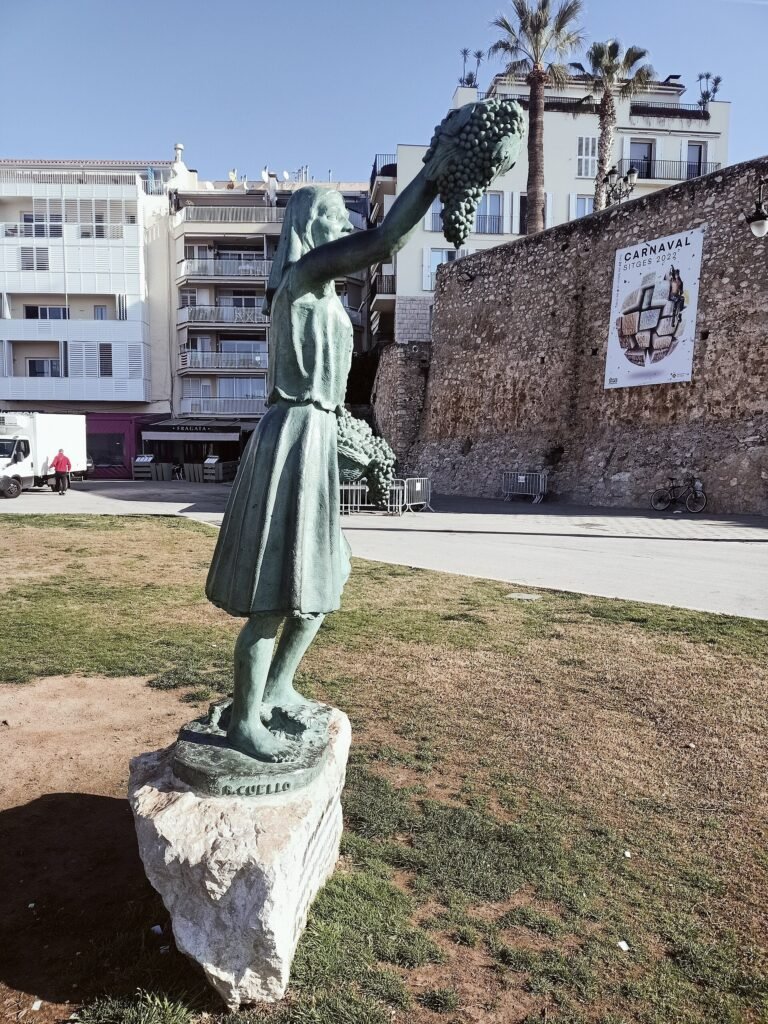
Malvasia de Sitges: the story of a wine and a bequest
The origins, heyday and crisis of Malvasia de Sitges, the Llopis bequest to the Hospital de Sant Joan Baptista and the Malvasia Interpretation Centre.
Sitges curiosities
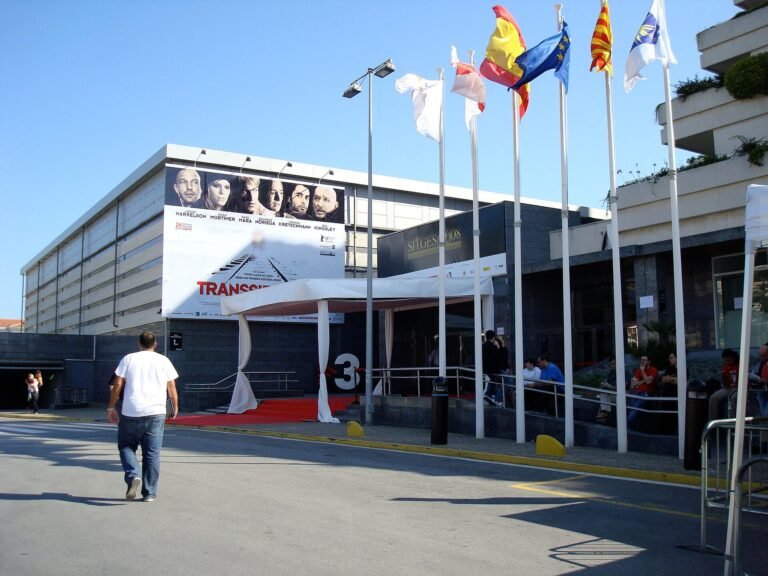
Sitges as a film location
From the birth of the Sitges Film Festival in 1968 to documented shoots in town, from Decameron Nights to Who Can Kill a Child? and recent TV series.
Sitges curiosities
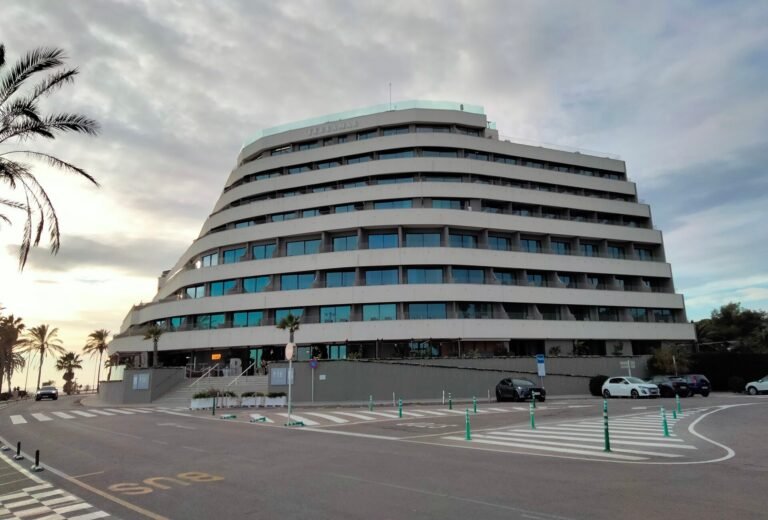
How Sitges became an international tourist destination
From the railway and Barcelona's summer visitors to Terramar, the 1960s boom and LGBTQ+ tourism: how Sitges became an international destination.
See it for yourself
Museums, monuments and festivals where this history is still on view.
Museum
Museu del Cau Ferrat
Santiago Rusiñol’s house and studio, with his collection of wrought iron, painting and ceramics.
Museum
Museu de Maricel
Art from the Romanesque to the 20th century, in the Maricel complex by the sea.
Monument
Church of Sant Bartomeu i Santa Tecla
The Baroque church on La Punta, the best-known image of Sitges.
Tradition
Sitges Festa Major
Giants, folk dances and fireworks in honour of Sant Bartomeu, every August.