Santiago Rusiñol and Sitges
How Santiago Rusiñol discovered Sitges in 1891, led the Modernista Festivals from 1892 to 1899 and left his Cau Ferrat to the town when he died in 1931.
Published 4 min read
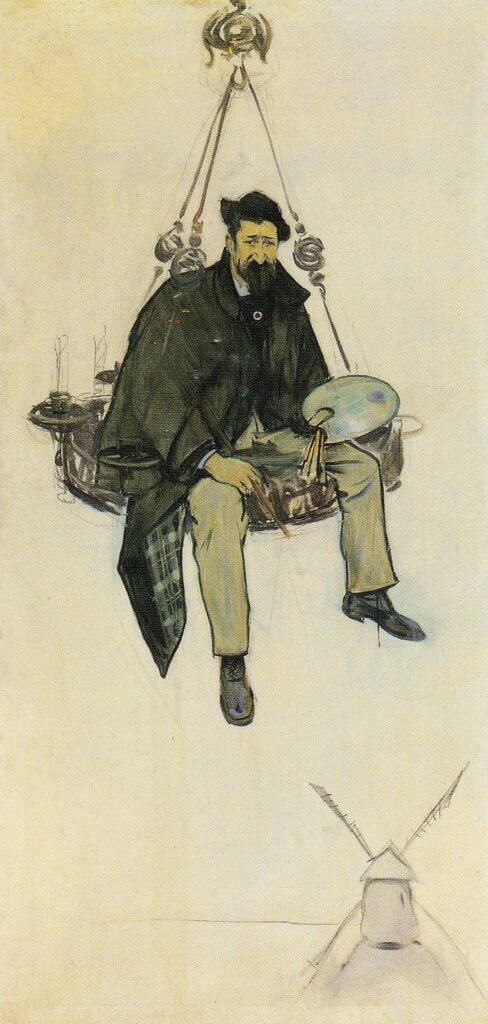

In the autumn of 1891 a thirty-year-old painter from Barcelona came to Sitges to spend a few weeks painting by the sea. His name was Santiago Rusiñol, and that stay, which stretched until January 1892, changed both his life and the cultural history of the town. Over the following decade Rusiñol turned Sitges into a laboratory of Catalan Modernisme: he organised artistic festivals that drew painters, musicians and writers, set up his home and studio here, and in the end left the town his most personal legacy.
A painter between Paris and Barcelona
Rusiñol was born in Barcelona on 25 February 1861. After training as a painter, between 1890 and 1892 he lived in Paris at the Moulin de la Galette in Montmartre with Ramon Casas and Miquel Utrillo. From there he sent La Vanguardia a series of chronicles illustrated by Casas, published as a book in 1894 under the title Desde el Molino. By then he was a painter, collector and writer keenly aware of what was new in Europe, looking for a place to bring that spirit home to Catalonia.
Discovering Sitges
According to the Museus de Sitges, Rusiñol first visited the town in the autumn of 1891, encouraged in part by a recent stay of his friend Ramon Casas. He did not arrive in a place empty of painters: since the late 1870s the artists of the so-called Luminist School of Sitges, such as Joan Roig i Soler and Arcadi Mas i Fondevila, had been painting the town’s streets, beaches and light outdoors. Rusiñol befriended them and drew on that circle for his first initiatives. In July 1893 he bought a fisherman’s house by the sea and soon afterwards the one next door; from them would grow the Cau Ferrat, his home and studio, whose history as a building and museum deserves a chapter of its own.
The Festes Modernistes (1892–1899)
Rusiñol’s best-remembered contribution to Sitges is the Festes Modernistes, five events held between 1892 and 1899 that set out to bring the newest artistic currents to the public:
- 1892. A Fine Arts Exhibition held during the August Festa Major, whose only condition was that the works had to depict Sitges. It is regarded as the first Modernista festival.
- 10 September 1893. The second festival, seen as the true outburst of Modernisme: Rusiñol read a manifesto-like speech, Maurice Maeterlinck’s The Intruder (La intrusa) was staged and Enric Morera conducted a concert.
- 4 November 1894. A procession carried two paintings by El Greco, which Rusiñol had bought in Paris, through the streets to the Cau Ferrat, inaugurated that same day. A literary contest was also held.
- 14 February 1897. A festival devoted mainly to music, at which Rusiñol defended modern music and the opera La fada (The Fairy), with a libretto by Jaume Massó i Torrents and music by Enric Morera, received its premiere.
- August 1899. The last festival, with stage works including Rusiñol’s own L’alegria que passa (Passing Joy) and a piano recital by Joaquim Nin.
Several of these evenings took place in the theatre of the Casino Prado, with artists and intellectuals from his circle taking part, from Casas to the critic Raimon Casellas.
Sitges in his work
The town also found its way into Rusiñol’s painting and writing. His Symbolist works of 1894–1895 include canvases titled Sitges and El Cau Ferrat, and gardens, courtyards and Mediterranean corners became recurring motifs. As a writer he achieved great popularity with works such as L’auca del senyor Esteve (1907), a satire of Barcelona’s middle classes. Although over time he spent long periods away, Sitges remained his refuge and the place where he gathered his friends.
Death and legacy
Rusiñol died in Aranjuez on 13 June 1931. In his will he left the Cau Ferrat and its collections to the town of Sitges, which opened it as a public museum in 1933. Thanks to that decade of festivals and gatherings, Sitges became permanently linked to Modernisme, and his example attracted other artists and patrons, as told in the articles on Ramon Casas and the Modernista artists and on Miquel Utrillo and Maricel.
Today, a stroll through the old town to the white façade of the Cau Ferrat, facing the sea, is the best way to understand why a painter from Barcelona chose this town to change the course of Catalan art.
Sources and further reading
- Santiago Rusiñol i Prats — Gran Enciclopèdia Catalana
- The building (Cau Ferrat) — Museus de Sitges
- El Modernisme excessiu — Enciclopèdia Catalana, Art de Catalunya
- Premodernismes (Luminist School of Sitges) — Enciclopèdia Catalana
- Sitges — Ruta del Modernisme
Keep reading
Notable figures
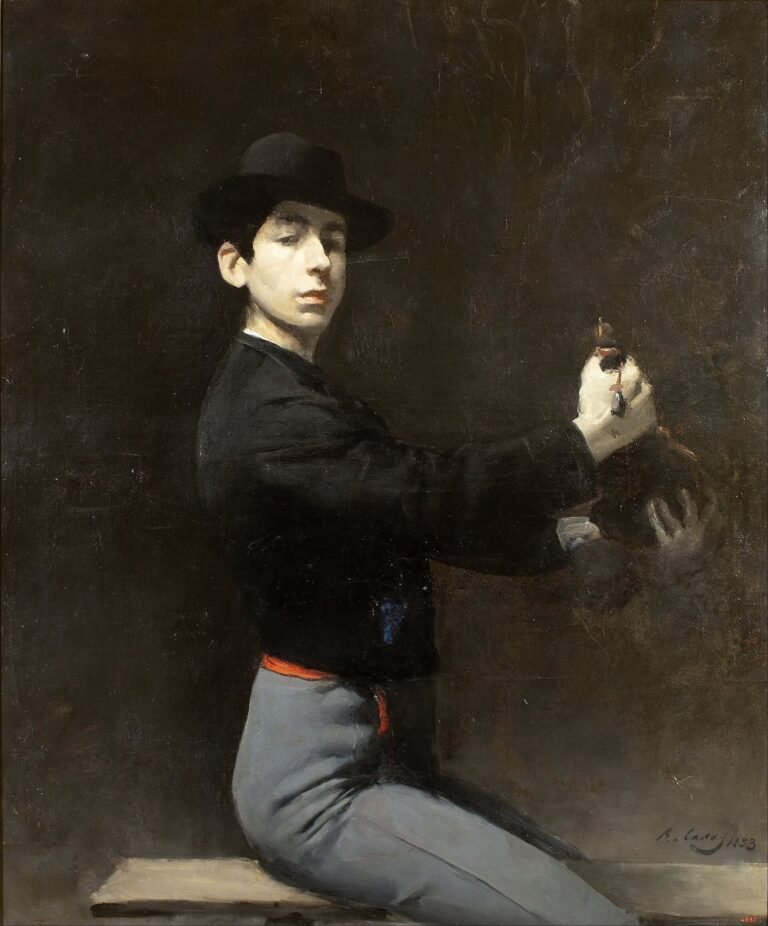
Ramon Casas and the Modernista artists in Sitges
Ramon Casas, the Luminist painters and the circle of musicians and writers who, alongside Rusiñol, made Sitges a centre of Catalan Modernisme.
Notable figures
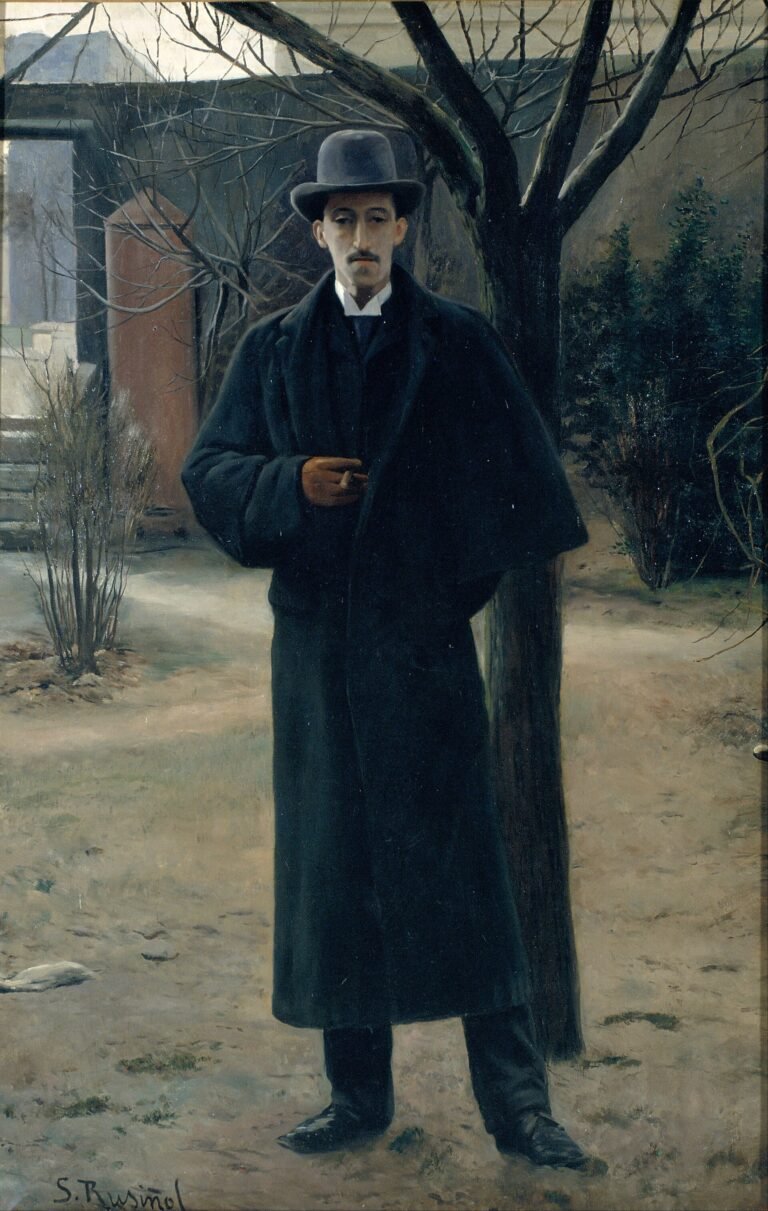
Miquel Utrillo and the creation of Maricel
Engineer, painter and cultural promoter: the life of Miquel Utrillo and his role as artistic director of the Maricel complex in Sitges from 1910 to 1918.
Notable figures
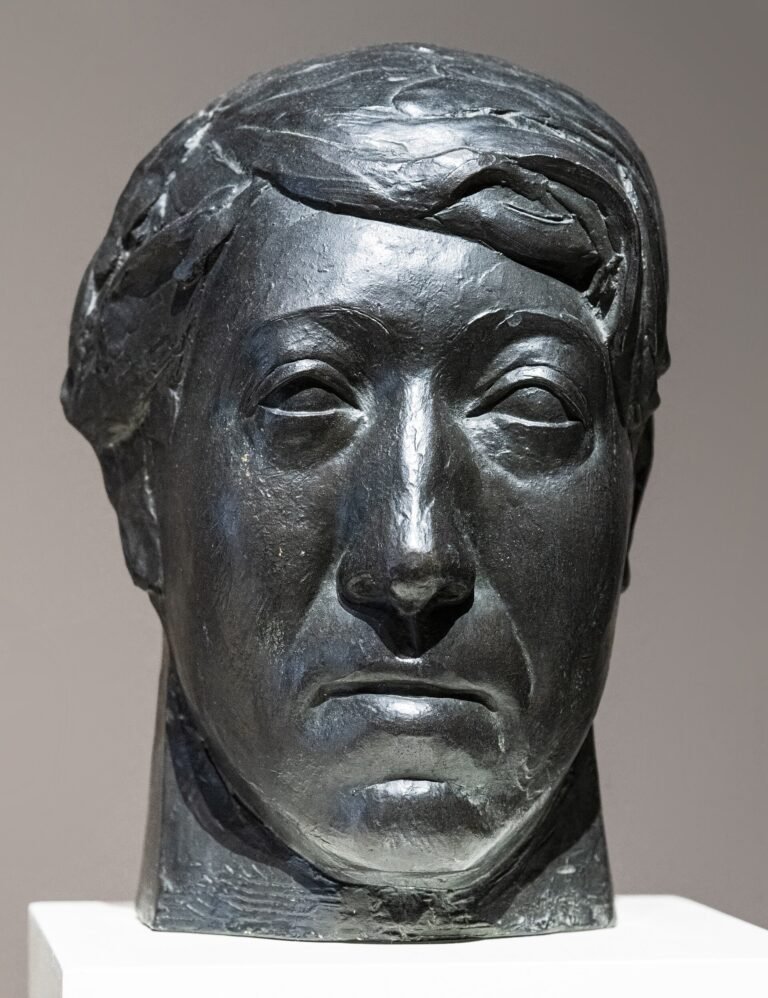
Joaquim Sunyer and Mediterranean painting
Joaquim Sunyer (Sitges, 1874) was the leading painter of Noucentisme. His years in Paris, Mediterrània, Pastoral, Cala Forn and his ties to Sitges.