Ramon Casas and the Modernista artists in Sitges
Ramon Casas, the Luminist painters and the circle of musicians and writers who, alongside Rusiñol, made Sitges a centre of Catalan Modernisme.
Published 4 min read
.jpg)
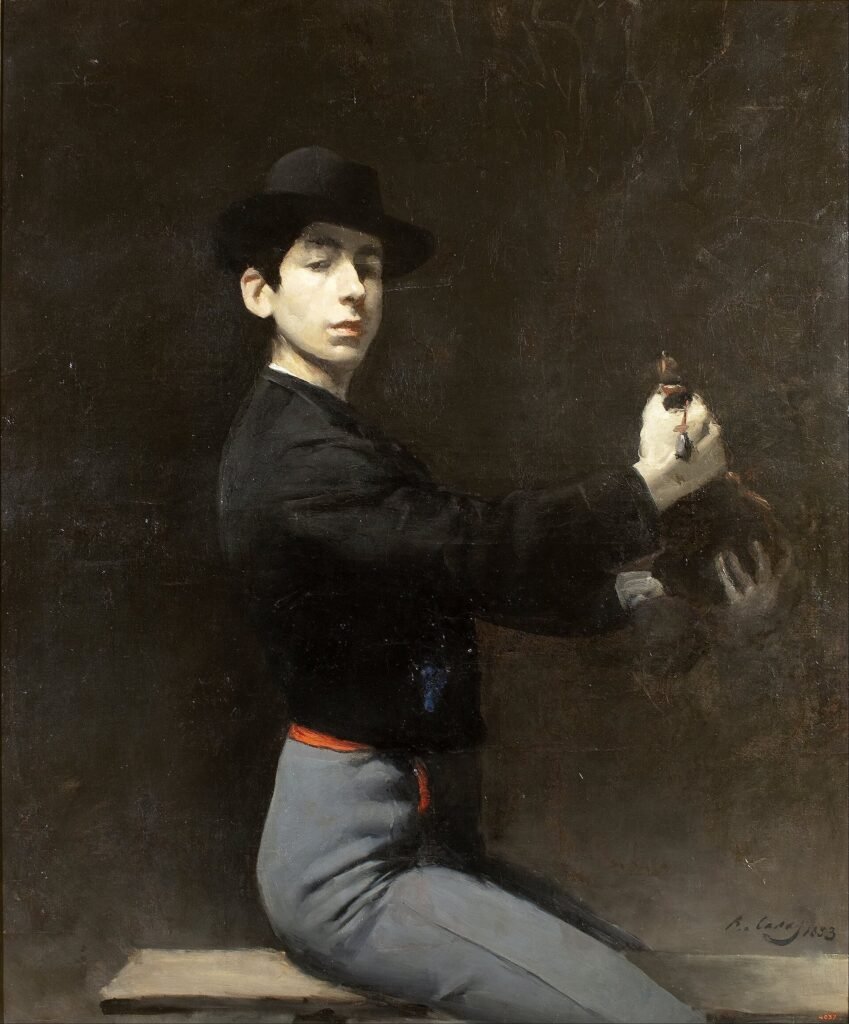
When Modernisme in Sitges comes up, Santiago Rusiñol’s name tends to fill the whole picture. Yet Rusiñol never acted alone. Beside him stood Ramon Casas, the great portraitist of fin-de-siècle Barcelona, and a wide group of painters, sculptors, musicians and writers who found in the town a place to work, exhibit and meet. This article looks at that collective circle, whose traces can still be seen in the museums of Sitges.
Ramon Casas, Rusiñol’s companion
Ramon Casas i Carbó was born in Barcelona in January 1866 and died in the same city on 29 February 1932. He trained in Paris at a very young age, in the studio of Carolus-Duran, and in 1890 he settled with Rusiñol and Miquel Utrillo at the Moulin de la Galette in Montmartre. From that period come Casas’s illustrations for the chronicles Rusiñol sent to La Vanguardia, collected in 1894 in the book Desde el Molino, and the painting Ball al Moulin de la Galette, now held at the Museu del Cau Ferrat.
According to the Gran Enciclopèdia Catalana, Casas discovered Sitges in 1891, and the Museus de Sitges note that his stay was one of the reasons that encouraged Rusiñol to visit the town that same autumn. From then on he was a regular visitor: he took part in the first and third Festes Modernistes and was one of the first guests at the Cau Ferrat, which he helped to decorate in 1895.
The Luminists: painters who were already here
Rusiñol and Casas did not arrive in a town without an artistic tradition. Since the late 1870s the so-called Luminist School had taken shape in Sitges, a group of painters who worked outdoors and were interested in light, local colour and the town’s streets, beaches and houses. Joan Roig i Soler settled in Sitges in 1878, and Arcadi Mas i Fondevila, who first came at his invitation in 1880, made it his permanent home around 1886. Joaquim de Miró, Joan Batlle Amell and Antoni Almirall, among others, are also associated with them.
That setting was decisive. The 1892 Fine Arts Exhibition, held during the Festa Major and regarded as the first Modernista festival, was organised with the Luminists’ support and a single condition: the works had to be about Sitges. Exhibitors included Casas, Rusiñol and Eliseu Meifrèn.
A circle of artists, musicians and writers
The Festes Modernistes, which continued until 1899, brought together much of the Catalan avant-garde of the day. The critic Raimon Casellas performed alongside Rusiñol in Maeterlinck’s The Intruder (La intrusa) in 1893; the composer Enric Morera conducted concerts and in 1897 premiered the opera La fada, with a libretto by Jaume Massó i Torrents; and the pianist Joaquim Nin played at the last festival in 1899. Miquel Utrillo, their companion from Paris, was also part of this circle and would later play a central role in Sitges, as told in the article on Miquel Utrillo and the creation of Maricel.
Many of these names also met in Barcelona, at the Els Quatre Gats café, opened in 1897 by Casas, Rusiñol, Utrillo and Pere Romeu, and in magazines such as Pèl & Ploma (1899–1903), driven by Casas. Sitges and Barcelona thus worked as two stages of a single network.
The works that stayed in Sitges
The most tangible trace of that group lies in the collections of the Cau Ferrat, where Rusiñol gathered works by artists of his generation: paintings and drawings by Casas, Picasso, Ramon Pichot, Isidre Nonell, Ignacio Zuloaga and Darío de Regoyos, and sculptures by Enric Clarasó, Manolo Hugué and Pau Gargallo. The Museus de Sitges count around a hundred works by Ramon Casas in their holdings, the great majority from Rusiñol’s collection.
Casas, Deering and Maricel
Casas’s ties with Sitges did not end with the festivals. According to the Museus de Sitges, in 1908 he met the American collector Charles Deering and brought him to Sitges, where Deering built his residence, the Maricel complex. In 1921 Deering sold him one of his houses for a symbolic price; it is today’s Can Rocamora, the building that now links the Cau Ferrat and the Museu de Maricel. In 2016, for the Ramon Casas Year, the Sitges museums devoted a major exhibition to him at Maricel, Ramon Casas, longing for modernity.
A visit to the Cau Ferrat and Maricel today makes it possible to follow the trail of a generation that, between 1891 and the early years of the twentieth century, turned a town of fishermen and vineyards into one of the centres of Catalan art.
Sources and further reading
- Ramon Casas i Carbó — Gran Enciclopèdia Catalana
- Year Ramon Casas — Museus de Sitges
- Premodernismes (Luminist School of Sitges) — Enciclopèdia Catalana
- El Modernisme excessiu — Enciclopèdia Catalana, Art de Catalunya
- Sitges — Ruta del Modernisme
Keep reading
Notable figures
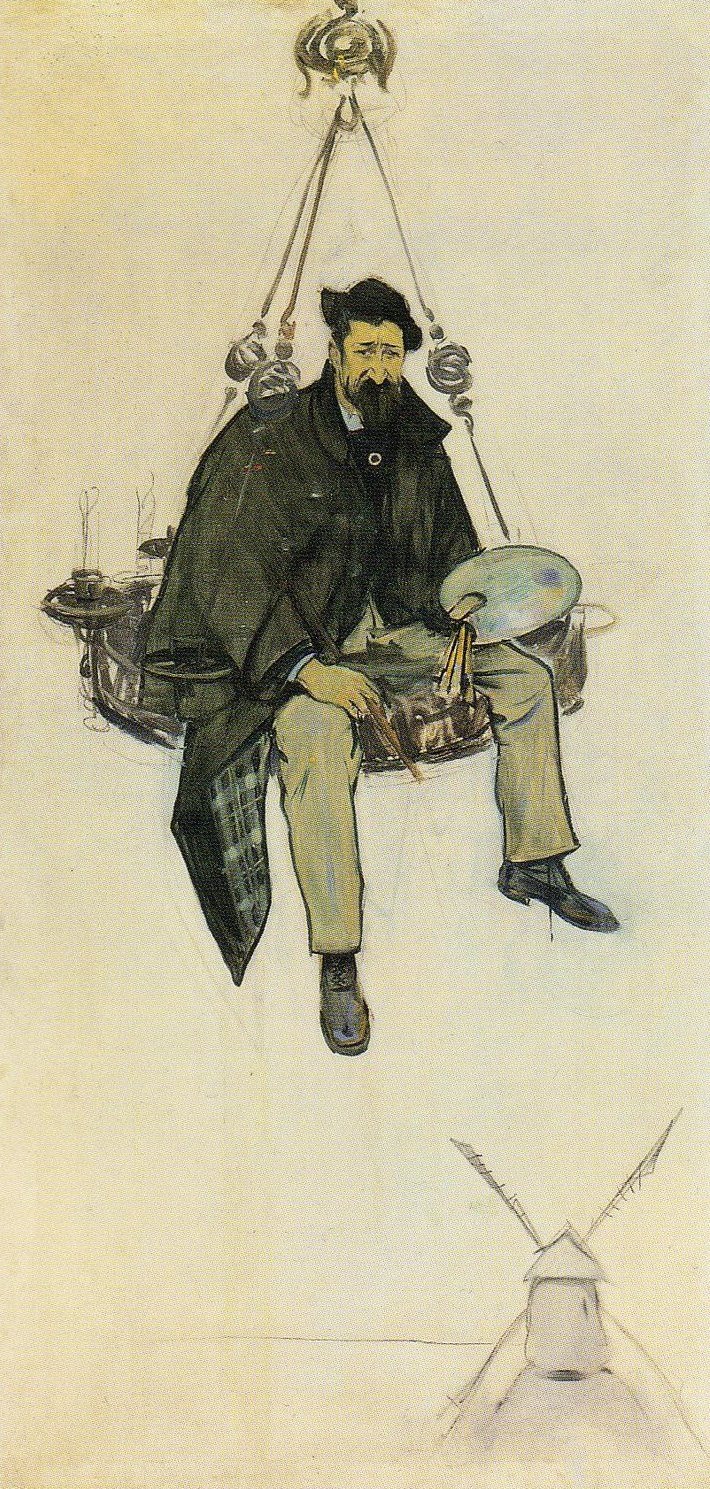
Santiago Rusiñol and Sitges
How Santiago Rusiñol discovered Sitges in 1891, led the Modernista Festivals from 1892 to 1899 and left his Cau Ferrat to the town when he died in 1931.
Notable figures
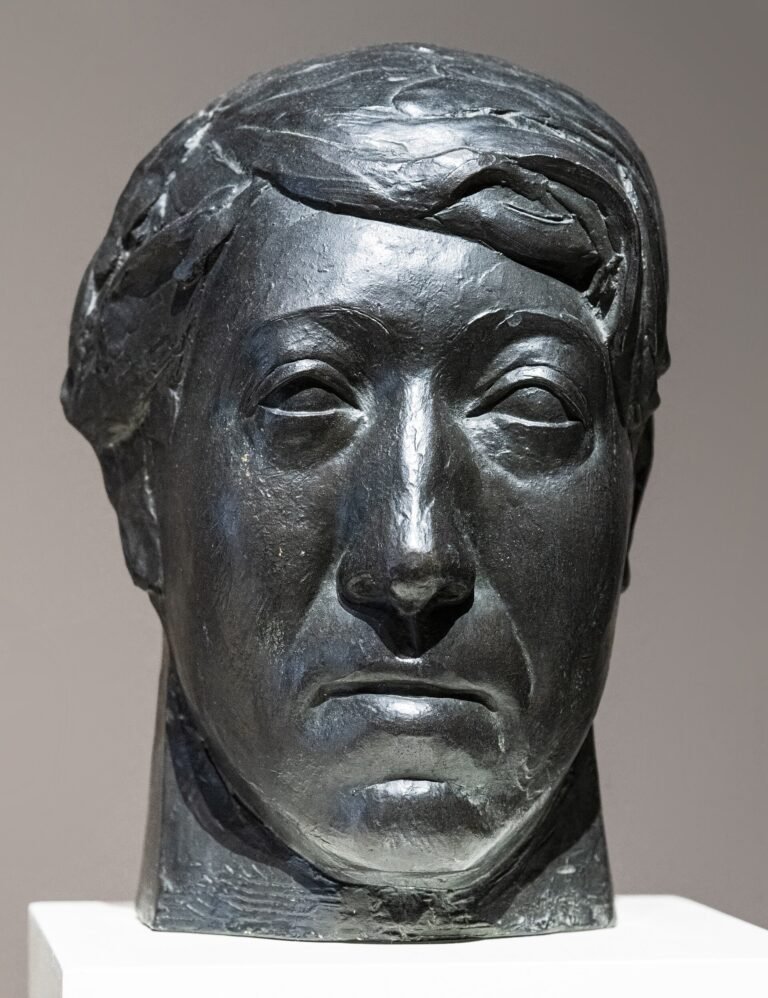
Joaquim Sunyer and Mediterranean painting
Joaquim Sunyer (Sitges, 1874) was the leading painter of Noucentisme. His years in Paris, Mediterrània, Pastoral, Cala Forn and his ties to Sitges.
Notable figures
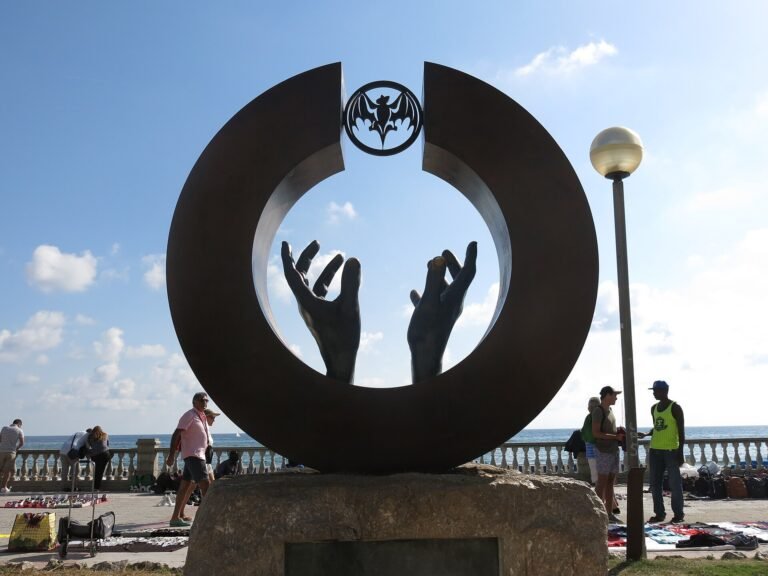
Facundo Bacardí and his Sitges roots
Facundo Bacardí was born in Sitges and founded Bacardí in Santiago de Cuba in 1862. What is known about his life, his birthplace and his traces in town.