Charles Deering, the collector who transformed Sitges
Who was Charles Deering, the Chicago industrialist who created Maricel in Sitges? How he built his art collection and what became of it after 1921.
Published 4 min read
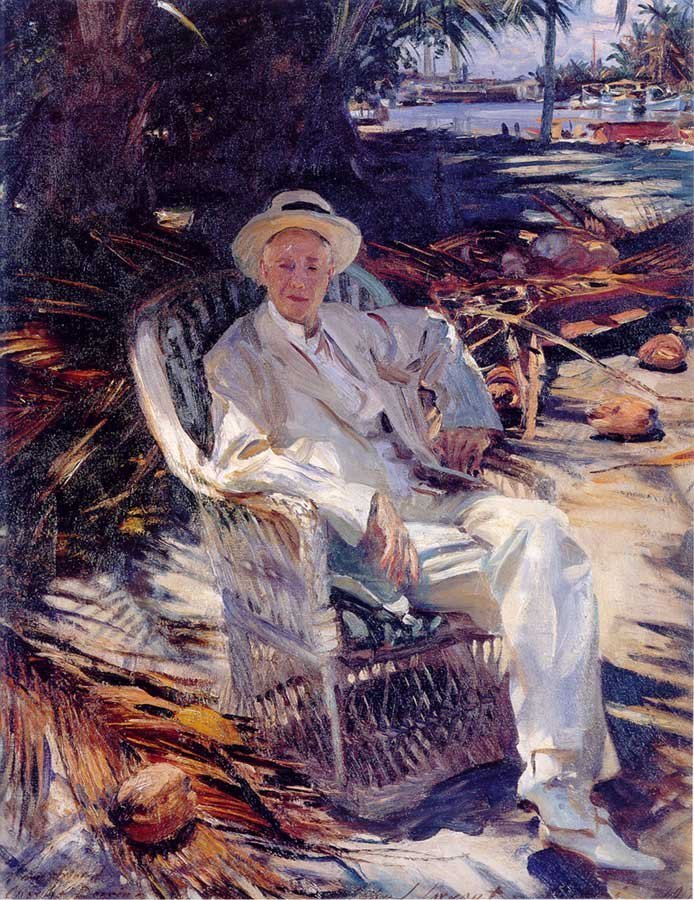

For little more than a decade, a Chicago millionaire was a resident of Sitges. Charles Deering came to the town drawn by his friendship with Ramon Casas and by the artistic circle around the Cau Ferrat, and he left behind Maricel, one of the most distinctive ensembles on the seafront. His story is also that of a major art collection that was brought together in Sitges and, from 1921 onwards, scattered between Catalonia and the United States.
From the Navy to farm machinery
Charles Deering was born on 31 July 1852 in Paris, Maine. He studied at the US Naval Academy in Annapolis, graduating in 1873, and served as a naval officer until 1881. That year he left the Navy to join the business of his father, William Deering, a farm machinery manufacturer in Chicago. When the Deering Harvester Company merged with other firms in 1902 to form International Harvester, Charles became chairman of the board; he retired in 1910.
Away from business, Deering was an amateur painter with close ties to artists. He was a friend of John Singer Sargent from 1876, studied painting with the Swedish artist Anders Zorn in Paris and, through that circle, met Ramon Casas. The Museus de Sitges note that at the 1893 Chicago World’s Fair, on Zorn’s advice, he bought Casas’s portrait of Erik Satie. He later invited the painter to the United States (1908–1909), where Casas painted members of high society. For more on Casas and his generation, see Ramon Casas and the modernista artists.
Arrival in Sitges
In 1909 Deering visited Sitges with Casas and tried to buy the Cau Ferrat, but Rusiñol refused to sell. On 3 April 1910 he bought the first property next to the old Hospital of Sant Joan Baptista and, little by little, other fishermen’s houses and parts of the old hospital. He put Miquel Utrillo in charge of the project, whose role is explained in Miquel Utrillo and the creation of Maricel. By 1911 Deering was able to live in the house, and work continued until around 1918; the building’s evolution is described in The Palau de Maricel and its construction.
Deering became involved in local life: in 1916 the town council named him an adopted son of Sitges, and that same year he bought Tamarit Castle, near Tarragona.
A collection of Hispanic art
Maricel was not only a home but a place designed to display art. Deering’s collection had a strong Hispanic focus: Gothic altarpieces, paintings by El Greco, Zurbarán and Goya, sculpture and antique furniture, alongside modern work by Ramon Casas, Santiago Rusiñol and others. One of its highlights was Bernat Martorell’s Saint George Killing the Dragon, a Catalan Gothic panel he bought in 1917. In 1915 he also commissioned Josep Maria Sert to paint murals for the ground floor of his house. Casas painted a portrait of Deering in 1914 that is now in the Museu de Maricel.
The departure of 1921
His relationship with Utrillo ended in disagreement, and in 1921 Deering left Sitges. According to the Museus de Sitges, in September of that year he moved his collections out of the town. The Gran Enciclopèdia Catalana states that much of the work was taken to Tamarit Castle, reportedly with the help of the US consul, before Deering returned home. With his departure, Maricel lost the unity it had been designed for.
Deering spent his last years in Florida, on his estate at Cutler, south of Miami, where he had wintered since 1915. He died in Miami on 5 February 1927. Shortly before, he had given an electric organ to Tarragona Cathedral.
What became of the collection
The collection went in several directions. In 1924 it passed to his daughters, Marion Deering McCormick and Barbara Deering Danielson, who after their father’s death gave many works to the Art Institute of Chicago, including Martorell’s Saint George (donated in 1933) and paintings by Zurbarán and El Greco. Another part stayed with the family, and another remained at Tamarit. The former Cutler estate is now a museum and nature preserve, the Deering Estate.
Sitges has recovered part of that memory: the exhibition “Centenari Maricel (1918–2018)” at the Museu de Maricel brought together some thirty works from the former Deering collection. A century on, the collector’s name is still tied to the seafront he helped transform.
Sources and further reading
- Charles Deering — Gran Enciclopèdia Catalana
- Centenari Maricel (1918–2018) — Museus de Sitges
- The Maricel building — Museus de Sitges
- Historic Collections: Charles Deering, Mrs. Chauncey McCormick, and Mrs. Richard E. Danielson — Art Institute of Chicago
- Charles Deering — Wikipedia
Keep reading
Notable figures
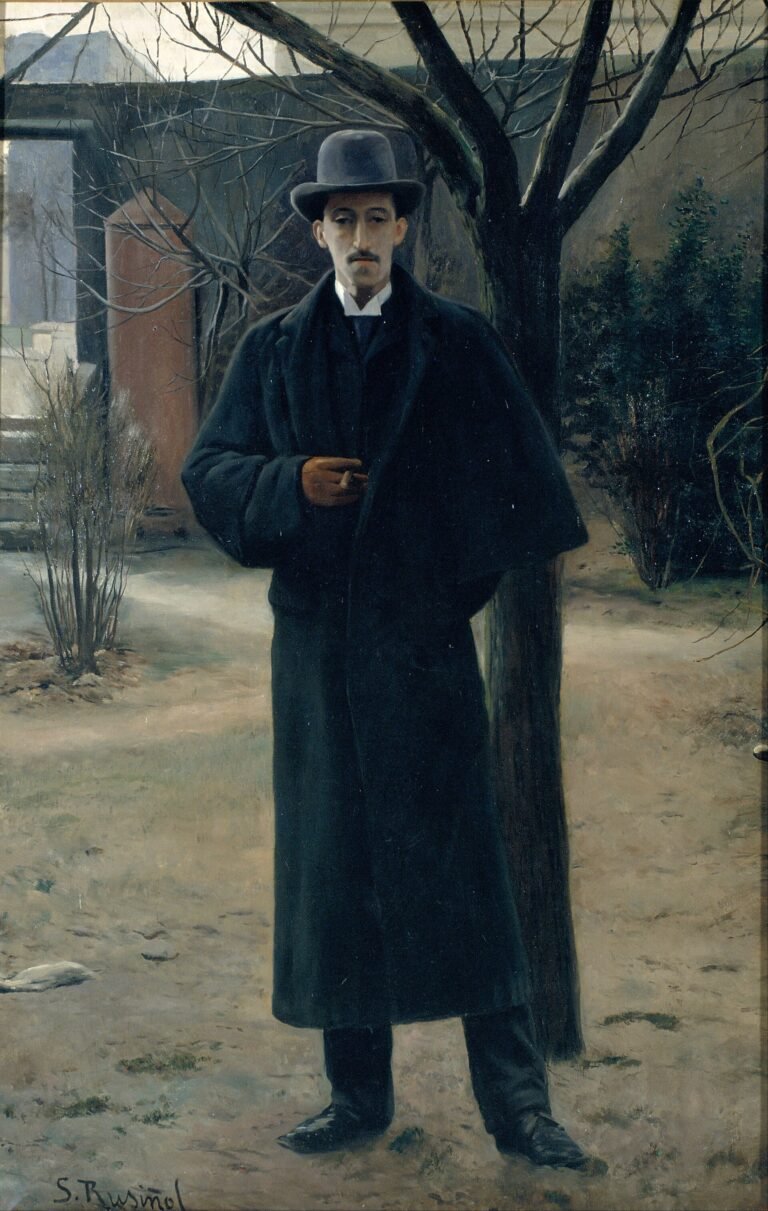
Miquel Utrillo and the creation of Maricel
Engineer, painter and cultural promoter: the life of Miquel Utrillo and his role as artistic director of the Maricel complex in Sitges from 1910 to 1918.
Notable figures
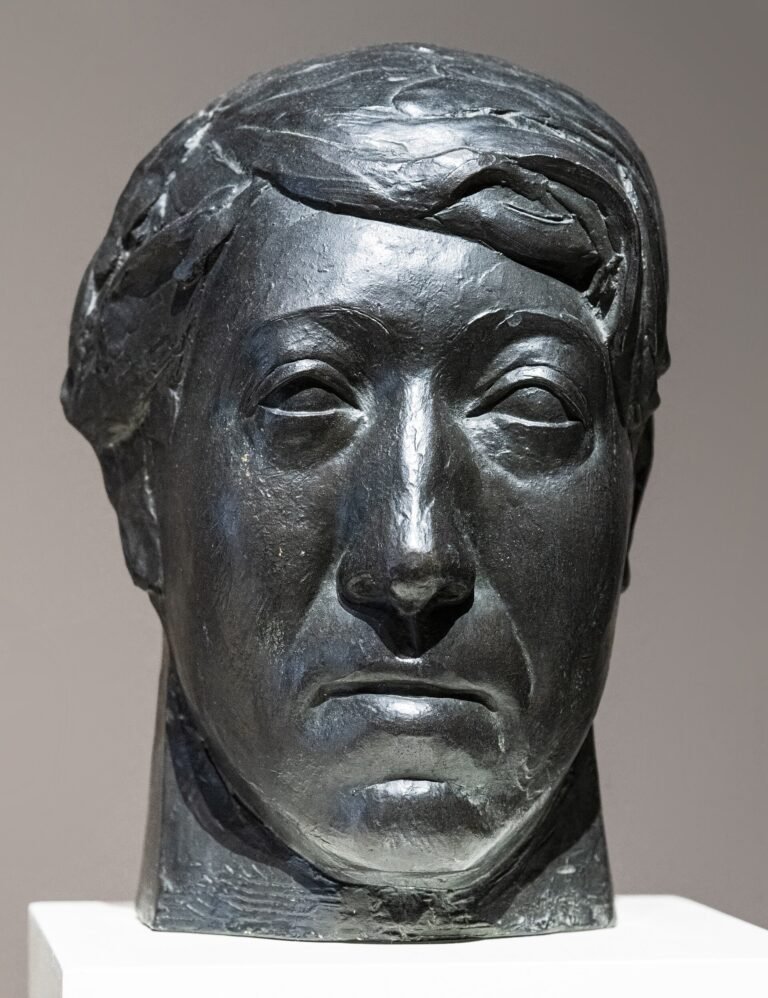
Joaquim Sunyer and Mediterranean painting
Joaquim Sunyer (Sitges, 1874) was the leading painter of Noucentisme. His years in Paris, Mediterrània, Pastoral, Cala Forn and his ties to Sitges.
Notable figures
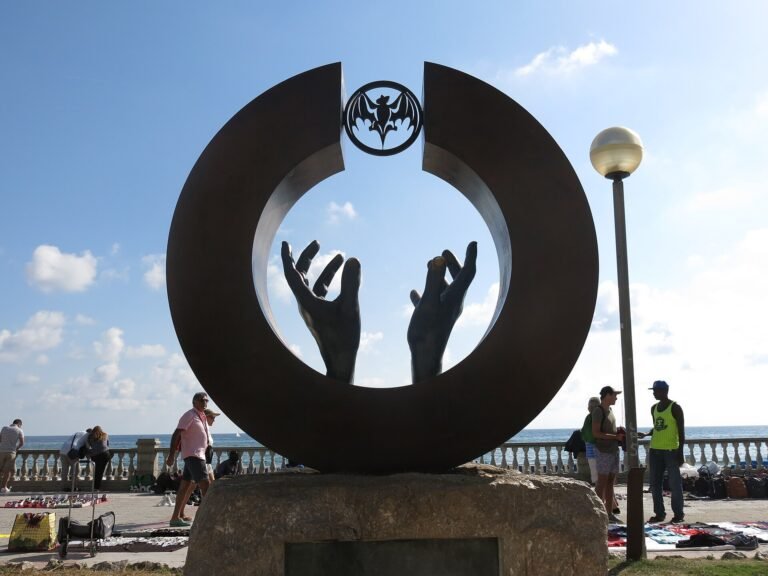
Facundo Bacardí and his Sitges roots
Facundo Bacardí was born in Sitges and founded Bacardí in Santiago de Cuba in 1862. What is known about his life, his birthplace and his traces in town.