The Hospital de Sant Joan Baptista: from medieval hospital to Modernista building
From Bernat de Fonollar's medieval hospital, sold to Deering to build Maricel, to the Modernista building by Font i Gumà that opened in 1912.
Published 4 min read
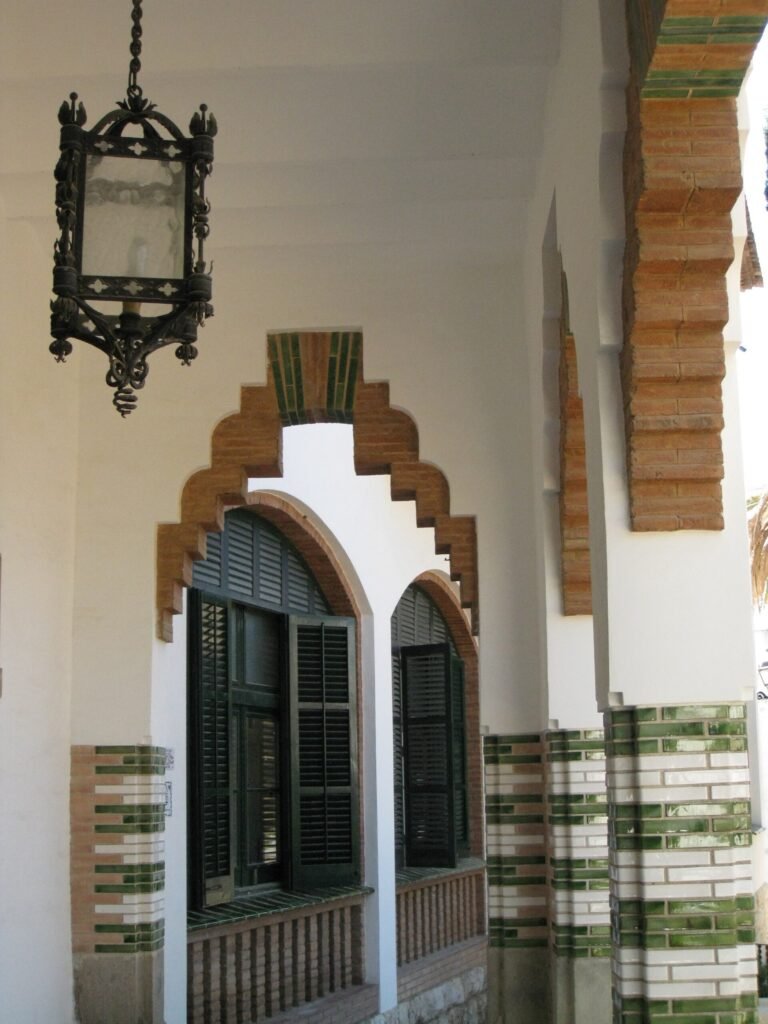

In Sitges, when people talk about “the hospital of Sant Joan”, it is worth asking which building they mean. The institution has medieval roots and for almost six centuries it stood right by the sea, on the site now occupied by the Maricel complex. The domed Modernista building on the far side of the railway, in the Poble Sec district, has been its home since 1912. This is the story of both buildings and of the sale that links them.
A medieval hospital on the rocks
The Barcelona Provincial Council (Diputació de Barcelona) heritage inventory explains that the Hospital de Sant Joan Baptista was built by Bernat de Fonollar, lord of Sitges, on the rocks by the sea, and that it already existed before 1326; the Sitges Tourist Board gives 1324 as its founding year. The exact date is therefore uncertain, but its purpose is not: it was the town hospital, a charitable institution for the sick and the poor, with its own chapel. The building was extended in the 19th century and, according to the inventory, was partly in ruins by the early 20th.
Traces of that hospital can still be seen. The Gothic arches of its former chapel survive inside today’s Museu de Maricel, in the section known as Maricel de Mar.
1910: the sale to Charles Deering
The American industrialist Charles Deering wanted to build a seafront residence and museum in Sitges and began buying property around the old hospital. According to the inventory record for the new hospital, the purchase of the old building and its chapel was completed on 3 April 1910 and caused controversy that split the town council. Other records in the same inventory date the purchase of some fishermen’s houses to that 3 April and that of the hospital slightly later, and one of them gives 1912, so the precise sequence should be treated with caution. On that site Miquel Utrillo directed the building of the Palau de Maricel, whose story we tell in Charles Deering, the collector and the Palau de Maricel and its construction.
Josep Font i Gumà’s new building
The proceeds of the sale, together with donations collected by the Patronato para la Beneficencia Local de Sitges (the local charitable board) chaired by Rafael Llopart, paid for a new hospital on a plot known as “la Pedrera”, owned by Sebastià Sans i Bori. It was designed by the Vilanova-born architect Josep Font i Gumà (1859–1922), who worked in the Garraf and in Barcelona, where he remodelled the Ateneu Barcelonès in 1904, and who also studied Catalan ceramics. Construction ran from 1910 to 1912, and the hospital opened on 31 May 1912.
The main building has three connected sections with a ground floor and two upper floors under pitched tiled roofs. The circular central section carries a dome with a lantern, paired Ionic columns and a ceramic-clad architrave, an image that has become the emblem of the institution. Brick and stone are combined at the entrance, and inside a central hall leads to the staircase; the wards on the upper floors were separated by sex. The Sitges Tourist Board considers it one of the most important examples of Modernista architecture in the town.
The chapel and its treasures
Behind the main building stands the chapel, with a rectangular nave, consecrated on 24 June 1914, the feast of Saint John. The complex holds works by artists linked to Sitges: paintings by Agustí Ferrer Pino on the life of Saint John the Baptist and portraits of benefactors, another work by him dated 1916, a painting by J. Vidal and a pastel by Juli Borrell, as well as a coffered ceiling. The oldest piece is an altarpiece by Jaume Forner brought from the sanctuary of the Vinyet; the Diputació inventory dates it to the 16th century, while the Sitges Tourist Board describes it as 17th-century.
More than a century serving the town
The hospital is still devoted to caring for people: today it operates as a residential home and day centre for older people, run by a foundation, and the inventory lists its use as social. The building is protected under Sitges’ Special Plan for the Protection of Architectural Heritage (2006), which requires its volume, façades and interior, chapel included, to be preserved. It stands at Carrer Cardenal Vidal i Barraquer, 2. You will find practical information in the listing for the Hospital de Sant Joan Baptista.
Sources and further reading
- Hospital de Sant Joan — Heritage inventory, Diputació de Barcelona (in Catalan)
- Maricel de Mar — Heritage inventory, Diputació de Barcelona (in Catalan)
- Museu Maricel — Heritage inventory, Diputació de Barcelona (in Catalan)
- On the outskirts of Sitges — Sitges Tourist Board
Keep reading
Historic buildings
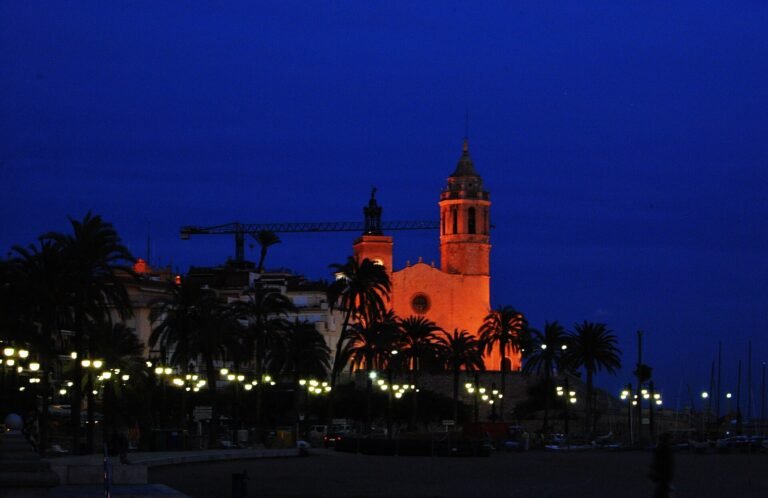
The church of Sant Bartomeu i Santa Tecla: history of the church on La Punta
History of Sitges parish church: medieval origins, the Baroque building of 1665-1672, altarpieces, Triay's organ, the bell tower and the losses of 1936.
Historic buildings
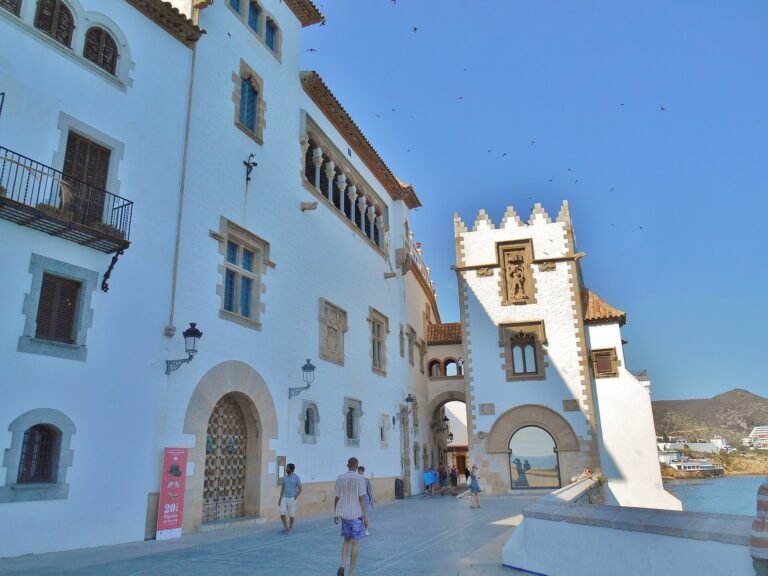
The Palau de Maricel and its construction
From the medieval Hospital of Sant Joan to Charles Deering's home: how Maricel was built between 1910 and 1918, its halls and its uses up to the museum.
Historic buildings
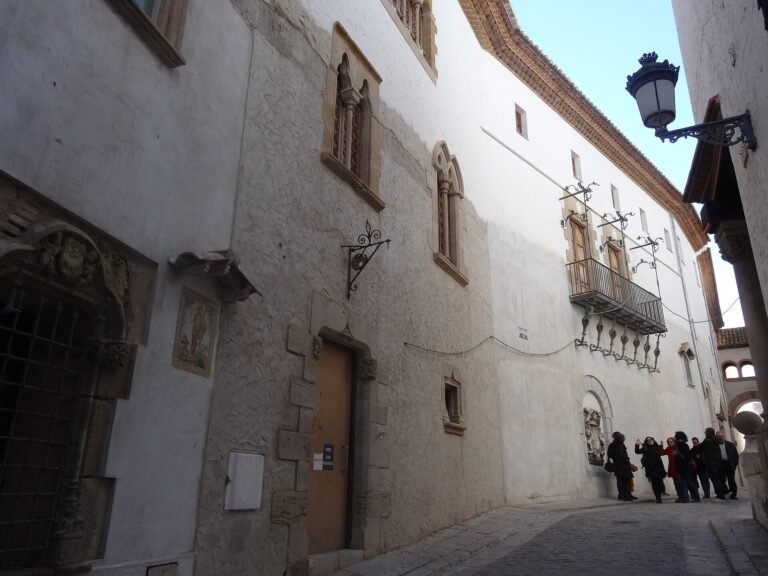
The Cau Ferrat and Santiago Rusiñol
From the studio Rusiñol built from two fishermen's houses in 1893–1894 to the museum opened in 1933 and restored in 2010–2014: the Cau Ferrat's story.