Miquel Utrillo and the creation of Maricel
Engineer, painter and cultural promoter: the life of Miquel Utrillo and his role as artistic director of the Maricel complex in Sitges from 1910 to 1918.
Published 4 min read
.jpg)
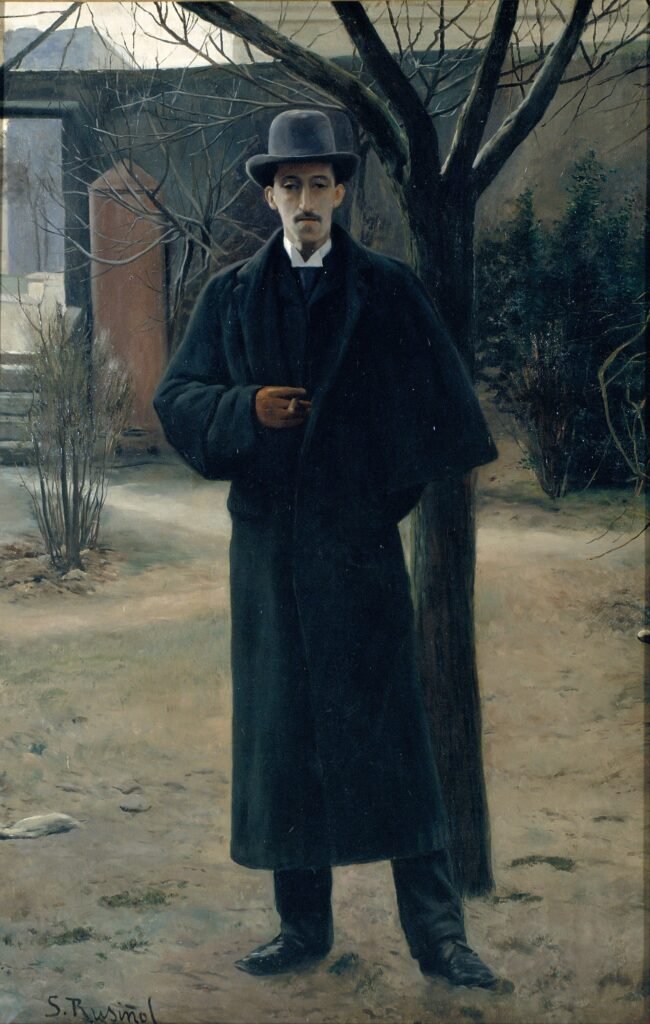
Among the names that shaped Sitges in the early twentieth century, Miquel Utrillo i Morlius is perhaps the least familiar to the general public, and yet one of the most decisive. An engineer by training, he was also a painter, poster designer, art critic and cultural promoter, and he was the man who conceived and directed, for almost a decade, the works at Maricel, the complex that the American collector Charles Deering built by the sea next to the Cau Ferrat.
From engineer to bohemian
Utrillo was born in Barcelona on 16 February 1862 and died in Sitges on 20 January 1934. The son of a republican lawyer who spent years in exile in France, he was educated there and studied agricultural engineering in Paris in the early 1880s. He did work as an engineer for a time, but the artistic life of Montmartre eventually drew him in. There he became friends with Santiago Rusiñol and Ramon Casas; according to the Gran Enciclopèdia Catalana, the three formed the core of Catalan modernisme in the visual arts. Those Paris years also produced a well-known episode: Utrillo gave his surname to the son of his friend, the painter Suzanne Valadon, who would go down in art history as Maurice Utrillo.
He travelled to the United States in 1893–1894, coinciding with the World’s Columbian Exposition in Chicago. In the second half of the 1890s he became closely linked to Sitges and to Rusiñol’s circle, contributing stage designs and posters to the Festes Modernistes. The atmosphere of those years is described in our article on Santiago Rusiñol and Sitges.
Cultural agitator: shadow plays, magazines and books
In Barcelona, Utrillo was a central figure at Els Quatre Gats, the tavern that opened in June 1897 in the Casa Martí. Together with Pere Romeu he had learned the art of shadow theatre at Le Chat Noir in Paris, and the shows were also a great success in Barcelona; in December 1897 he worked with Ramon Casas on the poster advertising them. Between 1899 and 1903 he and Casas ran the magazine Pèl & Ploma, for which he wrote much of the text and through which he supported young artists, among them a still unknown Picasso. He later inspired the magazine Forma, which was more eclectic and classicising, and directed the art content of the Espasa encyclopedia.
Charles Deering’s commission
Utrillo’s involvement with Maricel began with a refusal. In 1909 the American industrialist Charles Deering, a friend of Ramon Casas, visited Sitges and wanted to buy the Cau Ferrat, but Rusiñol would not sell. According to the Museus de Sitges, it was Utrillo who then handled the purchase of the neighbouring properties: the old Hospital of Sant Joan Baptista and the fishermen’s houses around it. From 1910 he directed the project, which went on until around 1918. The patron himself is the subject of our article on Charles Deering, the collector.
Utrillo was not an architect, and Maricel did not start from a single plan. His method was to unify existing buildings, incorporate old pieces from many different places (Gothic arches, capitals, a Gothic sculpture of Saint Michael from the bridge at Balaguer) and coordinate local craftsmen: builders, carpenters, blacksmiths and the sculptor Pere Jou, who carved dozens of capitals. He took the Cau Ferrat itself and Sitges town houses such as Can Llopis as models. In 1915 he commissioned Josep Maria Sert to paint allegorical murals for the ground floor of Deering’s residence.
A name and an emblem
Utrillo also gave the complex its symbolic identity. The name Maricel, “sea and sky” in Catalan, refers to the play of the same name by Àngel Guimerà, and the emblem he designed, a red rising sun over blue waves, adapted a composition he had created for the cover of Rusiñol’s Oracions (1897). That sun can still be spotted in various corners of the Palau de Maricel.
The break and the final years
The partnership ended badly. The Museus de Sitges refer to disagreements between Deering and Utrillo that culminated in the collector’s departure in 1921. Some sources mention accusations against Utrillo that were never cleared up and that damaged his reputation, although the details of that dispute are not well documented in accessible sources. His major later project was the Poble Espanyol on Montjuïc, which he devised with Xavier Nogués, Ramon Raventós and Francesc Folguera for the 1929 Barcelona International Exhibition.
The physical history of the building, from medieval hospital to today’s museum, is told in The Palau de Maricel and its construction. What Utrillo left in Sitges is, above all, a way of looking at the seafront: white lime, brick, ceramics and a red sun over blue.
Sources and further reading
- Miquel Utrillo i Morlius — Gran Enciclopèdia Catalana
- Miquel Utrillo i Morlius — Universitat de Barcelona, Modernisme
- Miquel Utrillo (1862–1934) — Museus de Sitges
- The Maricel building — Museus de Sitges
- Els Quatre Gats — Enciclopèdia Catalana
Keep reading
Notable figures
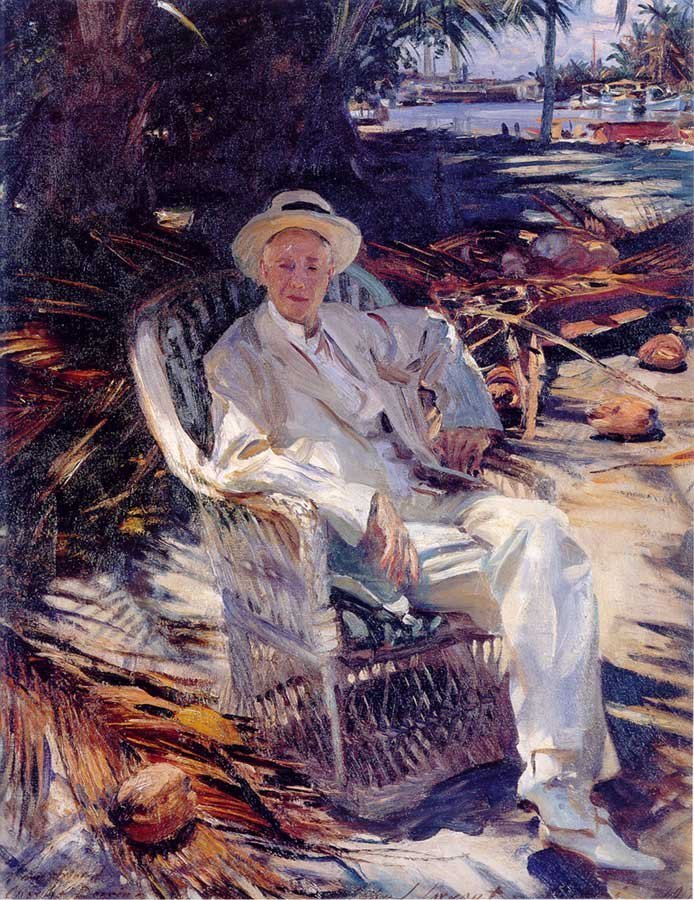
Charles Deering, the collector who transformed Sitges
Who was Charles Deering, the Chicago industrialist who created Maricel in Sitges? How he built his art collection and what became of it after 1921.
Notable figures
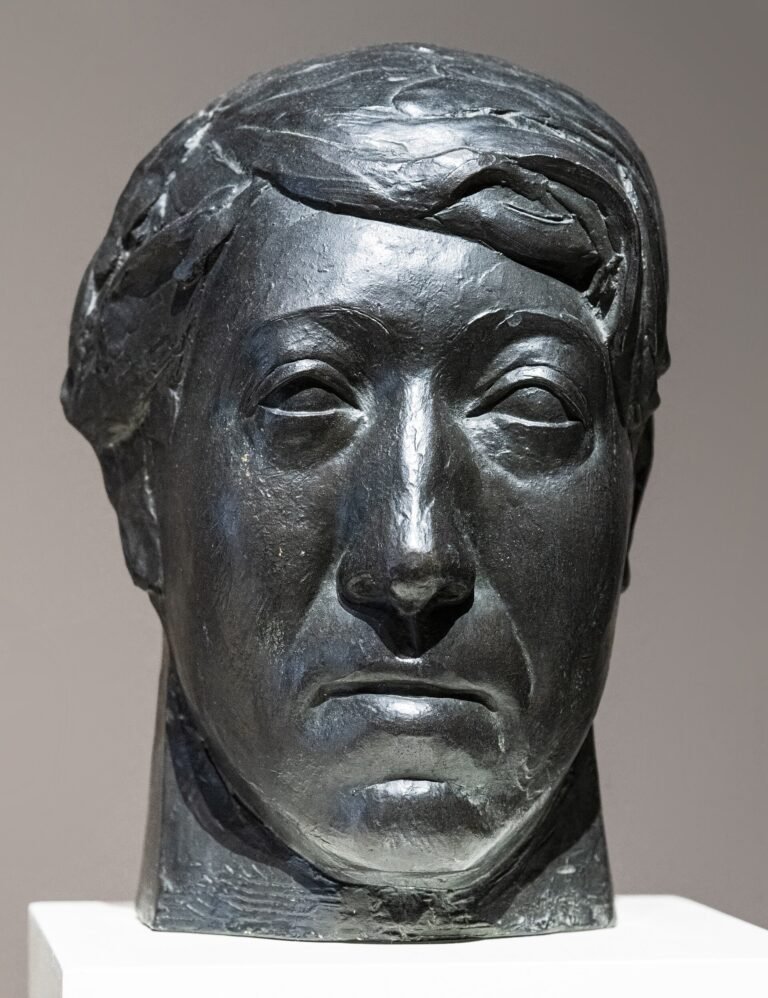
Joaquim Sunyer and Mediterranean painting
Joaquim Sunyer (Sitges, 1874) was the leading painter of Noucentisme. His years in Paris, Mediterrània, Pastoral, Cala Forn and his ties to Sitges.
Notable figures
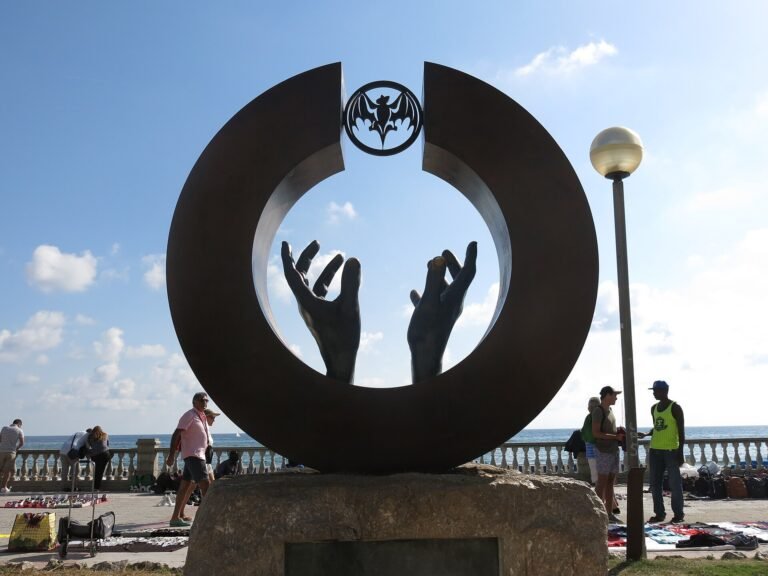
Facundo Bacardí and his Sitges roots
Facundo Bacardí was born in Sitges and founded Bacardí in Santiago de Cuba in 1862. What is known about his life, his birthplace and his traces in town.