Sitges as a film location
From the birth of the Sitges Film Festival in 1968 to documented shoots in town, from Decameron Nights to Who Can Kill a Child? and recent TV series.
Published 4 min read
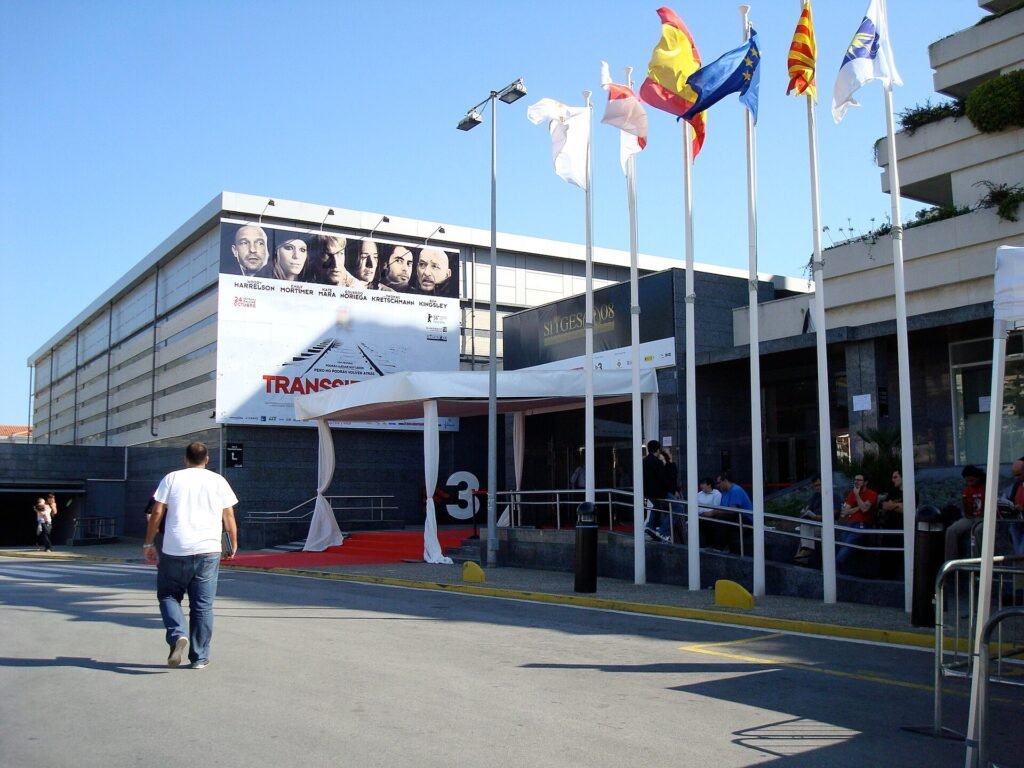

Every October, Sitges fills with vampires, zombies and film lovers from around the world. But the town’s relationship with cinema is not limited to the festival screen: its streets, beaches and seafront corners have also appeared in front of the camera, in productions ranging from international co-productions of the 1950s to today’s streaming series. This article looks at both sides, sticking to what is documented.
1968: a week of fantasy film is born
The Sitges Film Festival was born in 1968 as the International Week of Fantasy and Horror Film (Semana Internacional de Cine Fantástico y de Terror). According to the festival’s own history, it was launched by the local association Sitges Foto-Film, chaired by Dr Pere Serramalera, after a trial run the previous year with a film week devoted to audiovisual media, and its first director was Antonio Ráfales. Guests at that first edition included the French filmmaker and theorist Alexandre Astruc.
The commitment to fantasy cinema, unusual for festivals at the time, became its hallmark. The Enciclopèdia Catalana records that the event was called the Sitges International Fantasy Film Festival until 1996, when it took its current name, Festival Internacional de Cinema Fantàstic de Catalunya, with greater institutional backing and a broader programme.
A leading festival
Today the festival runs for about ten days in October and is organised by a foundation that includes the Ajuntament de Sitges, the Generalitat de Catalunya and other bodies. Àngel Sala has been its director since 2001. Screenings take place in the auditorium of the Meliá hotel, with some 1,380 seats, the El Retiro cinema and the Casino Prado. In 2017 it received the Generalitat’s Creu de Sant Jordi. Each year’s programme can be found in what’s on.
Sitges on camera: the early shoots
Long before the festival, Sitges had already served as a film set. Local historian Francesc Borderia catalogued these shoots in his book Sitges, plató de cinema, noting that in most of them the town is just one of several locations. Among the best-documented cases:
- Decameron Nights (released in 1953), starring Joan Fontaine: part of it was filmed at the Racó de la Calma, between the Palau de Maricel and the Cau Ferrat, and, according to Borderia, around the church and Ribera beach.
- King’s Rhapsody (1955), a musical with Errol Flynn and Patrice Wymore, which used the steps at La Punta and the Passeig de la Ribera.
- Who Can Kill a Child? (¿Quién puede matar a un niño?, 1976), by Narciso Ibáñez Serrador, a classic of Spanish horror: Sitges appears in the first part of the film, with scenes in old-town streets such as Carrer d’en Bosc.
From independent film to TV series
In 2005 Sitges Nagasaki, by Ignasi P. Ferré, was released; it was shot almost entirely in the town and features the Cau Ferrat, the church of Sant Bartomeu i Santa Tecla, the seafront and the Club Nàutic. A year later, in August 2006, the crew of Savage Grace (2007), with Julianne Moore and Eddie Redmayne, filmed on the terrace of El Vivero restaurant above Balmins beach; in the film, curiously, the location stands in for Cadaqués.
In recent years the municipal Sitges Film Office has been facilitating and recording shoots. Its archive includes recent productions such as the HBO series 30 Coins (30 monedas), the Netflix series Who is Erin Carter?, and the feature films Siempre es invierno and El rastre del llop (the latter shot in Sitges and Sant Pere de Ribes and premiered at the Casino Prado in February 2026), along with many commercials, TV programmes and photo shoots.
A town that sees itself on screen
Sitges is not a permanent film set, nor does it have a filming tradition comparable to that of big cities, but its light, its waterfront and its old town have made it a recurring location. And there is a pleasing coincidence: Ibáñez Serrador, who shot one of the key titles of Spanish fantasy cinema here, also appears in photographs of the festival’s first edition in 1968. Screen and set have been going hand in hand for more than half a century.
Sources and further reading
- Festival Internacional de Cinema Fantàstic de Catalunya — Enciclopèdia Catalana
- History: 1968 — Sitges Film Festival
- Film archive — Sitges Film Office, Ajuntament de Sitges
- ‘Sitges Nagasaki’: «per les costes o per l’autopista?» — Ara
- 10 escenaris catalans d’Oscar — Descobrir
- Francesc Borderia, Sitges, plató de cinema (book)
Keep reading
Sitges curiosities
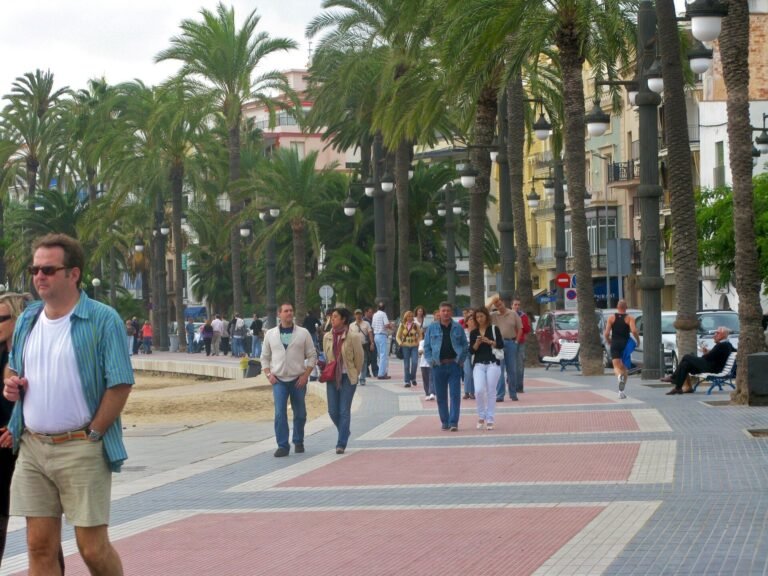
The history of Sitges beaches
From fishermen's sand to the Passeig de la Ribera, sea bathing, the Terramar garden city and 20th-century breakwaters: how the beaches of Sitges changed.
Sitges curiosities
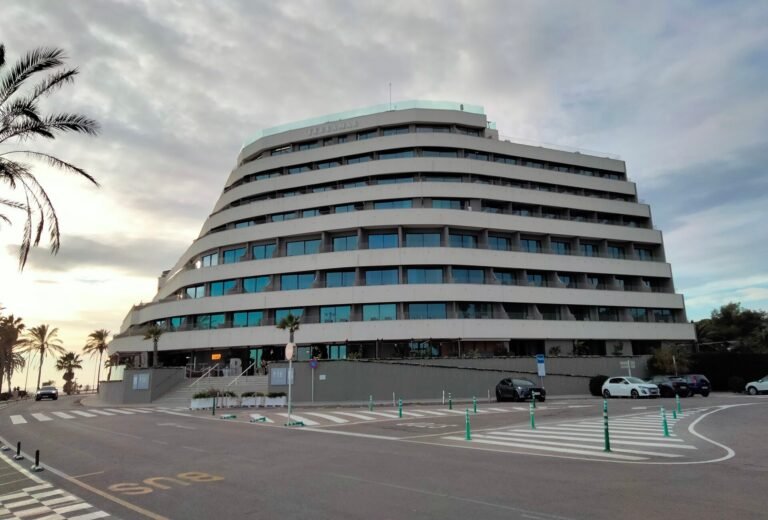
How Sitges became an international tourist destination
From the railway and Barcelona's summer visitors to Terramar, the 1960s boom and LGBTQ+ tourism: how Sitges became an international destination.
Sitges curiosities
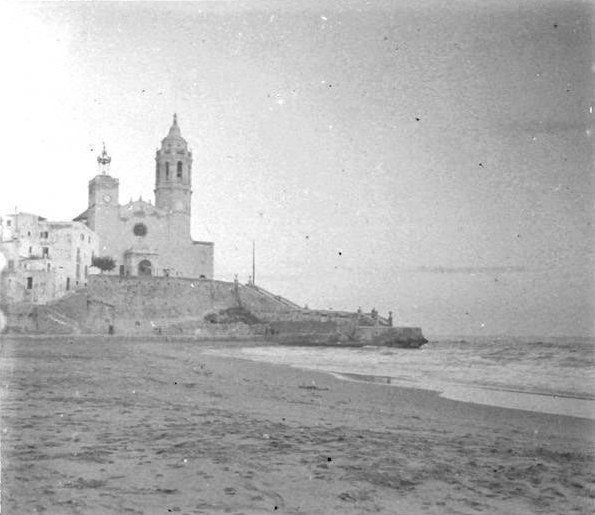
Where does the name Sitges come from?
Sitges is the plural of Catalan 'sitja': grain silos or pits in the rock. Its first 10th-century mentions, medieval spellings and Coromines' views.