History & Curiosities
Sitges history and curiosities
From the Neanderthals of the Cova del Gegant to the modernista artists and the “americanos”: articles to understand how Sitges came to be.
Sitges is much more than beaches and festivals. Behind its white streets lie centuries of history: a walled town on the rock of La Punta, generations of fishermen, sailors and winegrowers, emigrants who made their fortune in the Americas and came back to build their houses, and a group of artists who, led by Santiago Rusiñol, turned the town into a landmark of Catalan Modernisme.
This section brings together accessible articles on the history, notable figures, traditions, buildings and curiosities of Sitges. They are based on official and specialist sources (Museus de Sitges, the Town Council, heritage inventories and published research), separate documented facts from tradition, and always end with their sources.

Explore the articles
Questions, names and oddities about Sitges, with documented answers.
6 articles
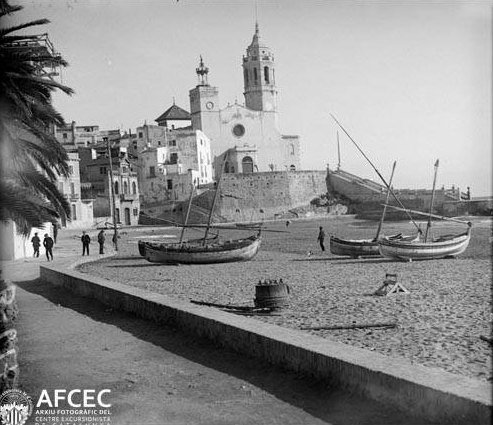
Sitges curiosities
Where does the name Sitges come from?
Sitges is the plural of Catalan 'sitja': grain silos or pits in the rock. Its first 10th-century mentions, medieval spellings and Coromines' views.
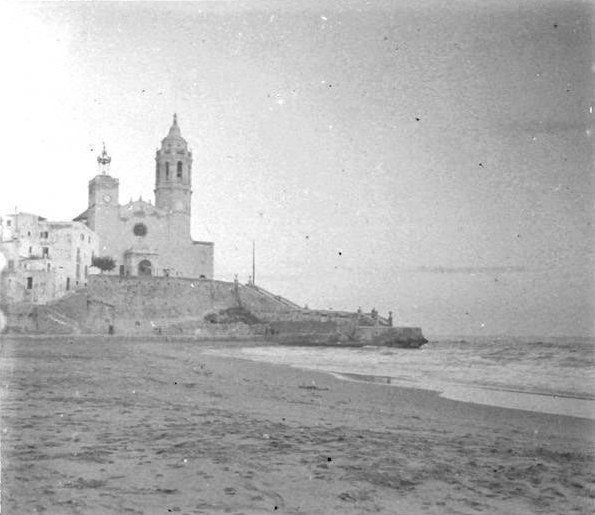
Sitges curiosities
Why is Sitges called the “Blanca Subur”?
Subur was a Roman town named by Pliny and Ptolemy. Why it is linked to Sitges, what archaeology shows, and where the 'Blanca' (white) nickname comes from.
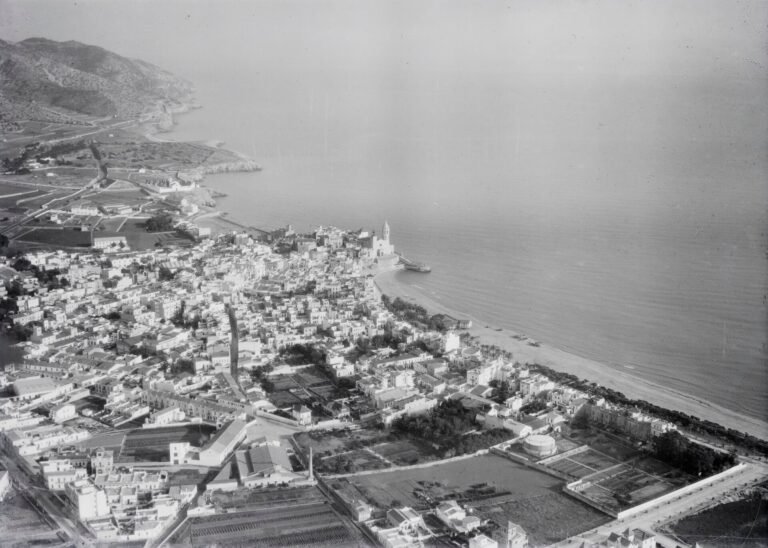
Sitges curiosities
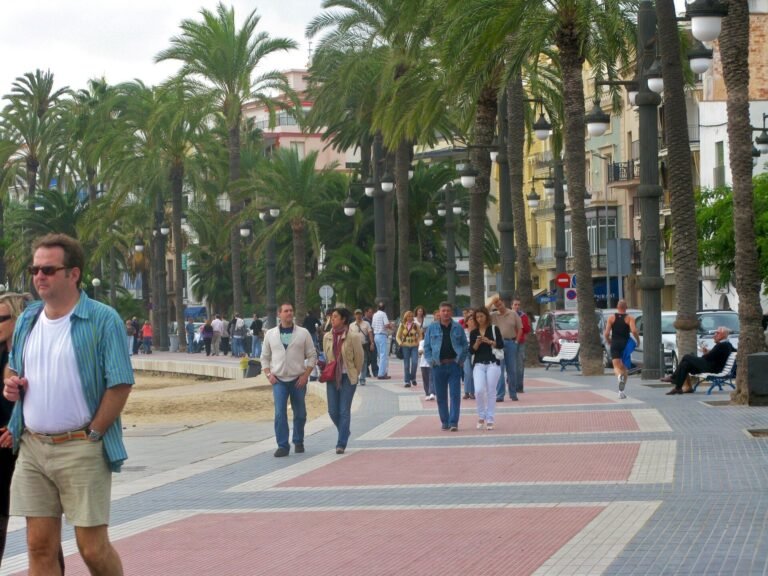
The history of Sitges beaches
From fishermen's sand to the Passeig de la Ribera, sea bathing, the Terramar garden city and 20th-century breakwaters: how the beaches of Sitges changed.
Sitges curiosities
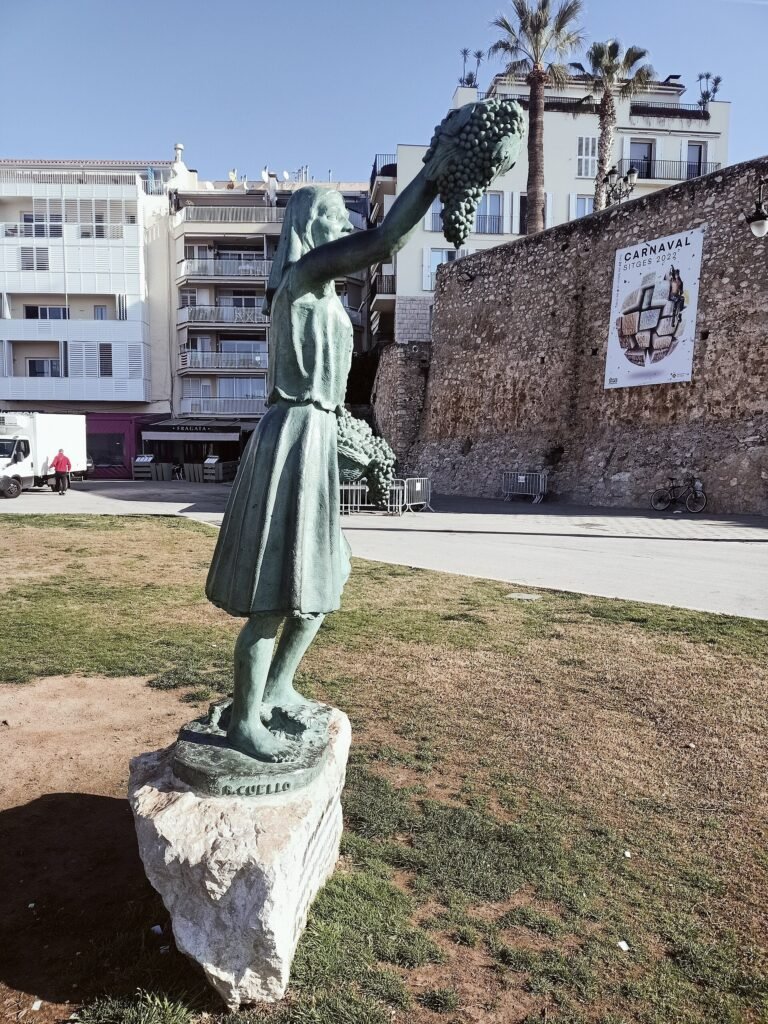
Malvasia de Sitges: the story of a wine and a bequest
The origins, heyday and crisis of Malvasia de Sitges, the Llopis bequest to the Hospital de Sant Joan Baptista and the Malvasia Interpretation Centre.
Sitges curiosities
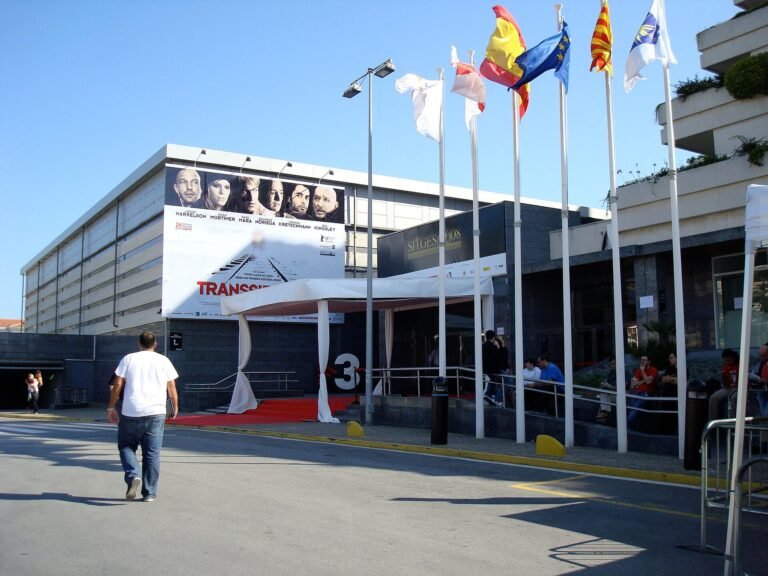
Sitges as a film location
From the birth of the Sitges Film Festival in 1968 to documented shoots in town, from Decameron Nights to Who Can Kill a Child? and recent TV series.
Sitges curiosities
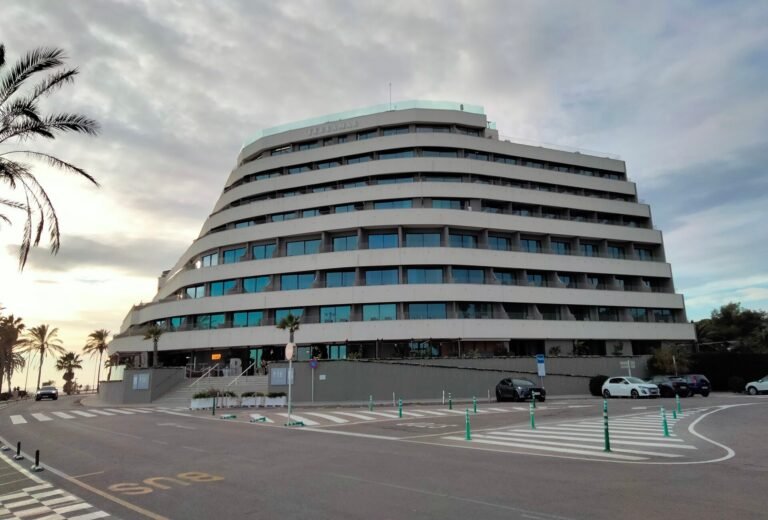
How Sitges became an international tourist destination
From the railway and Barcelona's summer visitors to Terramar, the 1960s boom and LGBTQ+ tourism: how Sitges became an international destination.
See it for yourself
Museums, monuments and festivals where this history is still on view.
Museum
Museu del Cau Ferrat
Santiago Rusiñol’s house and studio, with his collection of wrought iron, painting and ceramics.
Museum
Museu de Maricel
Art from the Romanesque to the 20th century, in the Maricel complex by the sea.
Monument
Church of Sant Bartomeu i Santa Tecla
The Baroque church on La Punta, the best-known image of Sitges.
Tradition
Sitges Festa Major
Giants, folk dances and fireworks in honour of Sant Bartomeu, every August.