How Sitges became an international tourist destination
From the railway and Barcelona's summer visitors to Terramar, the 1960s boom and LGBTQ+ tourism: how Sitges became an international destination.
Published 4 min read
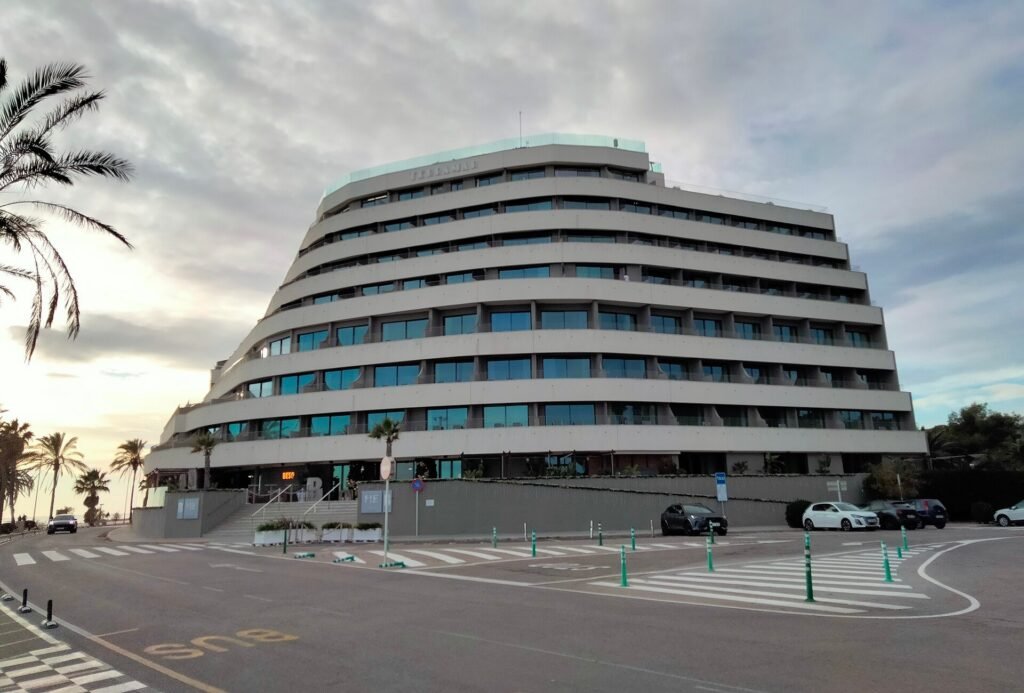

A century and a half ago, Sitges was a town of fishermen, winegrowers and merchants with business interests in Cuba. Today it welcomes visitors from all over the world and lives mainly from tourism and services. The change was not sudden: it was built up in layers, with the railway, the artists, summer visitors from Barcelona, an ambitious urban project, the boom of the 1960s and an image of openness that has made it known internationally.
The railway and the artists: the first layers
The arrival of the railway through the Garraf in the early 1880s brought Sitges closer to Barcelona than ever before; the centenary of the commercial line between Barcelona and Vilanova was celebrated in 1981, which places its opening around 1881. A journey that had meant skirting the massif by sea or along difficult roads became a short trip.
Cultural prestige added to this new accessibility. In the 1890s Santiago Rusiñol set up his home and studio, the Cau Ferrat, in Sitges and turned the town into a meeting point for Catalan modernisme. After Spain lost its last colonies in 1898, trade with the Americas declined and Sitges looked increasingly to the rest of Spain and to its own visitors.
Summer holidays in the early 20th century
In the first decades of the 20th century, well-off Barcelona families began building summer homes in Sitges. Sea bathing, then associated with health and social standing, gave new value to the beaches, whose story is told in the history of Sitges beaches. At the same time, the American collector Charles Deering, who between 1910 and 1921 kept his collection at the Palau de Maricel, strengthened the image of Sitges as a place chosen by figures of international standing. The writer G. K. Chesterton visited in 1926 and 1935.
Terramar: Francesc Armengol’s dream of a Riviera
The most ambitious project of those years was Terramar, a garden city promoted by the Sabadell industrialist Francesc Armengol to the west of the town centre. Inspired by Nice and the French Riviera, it planned villas, green spaces and services for a select clientele: a hotel, gardens, a golf club and even a casino that was never built. A magazine of the same name was published between 1919 and 1921, reflecting the project’s cultural side. Today the Jardins de Terramar recall that venture.
Its boldest element was the Terramar Autodrome, a banked racing circuit opened on 28 October 1923 with a race won by Albert Divo. It was a financial failure: cost overruns left the builders unpaid, they kept the gate receipts, and the track never again hosted major international races. In 1929 the state seized the estates. The Hotel Terramar, by contrast, was operating in the 1930s: in 1934 the German boxer Max Schmeling stayed there to train for his fight against Paulino Uzcudun.
From the 1960s boom to international tourism
After the Spanish Civil War, the decisive change came with mass tourism. From the late 1950s, and above all in the 1960s, the arrival of foreign visitors transformed the economy: the shoemaking industry, once important in the town, gave way to tourism and services. Under the dictatorship, Sitges also gained a reputation as a relatively open place, a centre of counterculture that some called “Ibiza in miniature”. Politics has its own footnote: in 1958 Colombian leaders signed the so-called Declaration of Sitges here.
In 1968 the Film Festival was born; today it is held in October and helps fill the town outside the summer, as Carnival does in winter.
A leading LGBTQ+ destination
That atmosphere of openness lies at the root of another side of tourism in Sitges: for decades it has been one of Europe’s best-known LGBTQ+ destinations, especially busy between May and September, with Pride celebrated in June. Sources agree on the importance of this image, although dating its beginnings precisely is difficult, since it took shape informally from the 1960s and 1970s onwards.
Today tourism and culture are the backbone of the local economy. What began with a railway, a handful of artists and a dream of a Riviera is now an international destination still debating how to balance the arrival of visitors with the lives of the people who live there.
Sources and further reading
- Autódromo de Sitges-Terramar — Wikipedia
- Sitges — Wikipedia
- Railway Museum in Vilanova — Wikipedia
- Festival Internacional de Cinema Fantàstic de Catalunya — Enciclopèdia Catalana
Keep reading
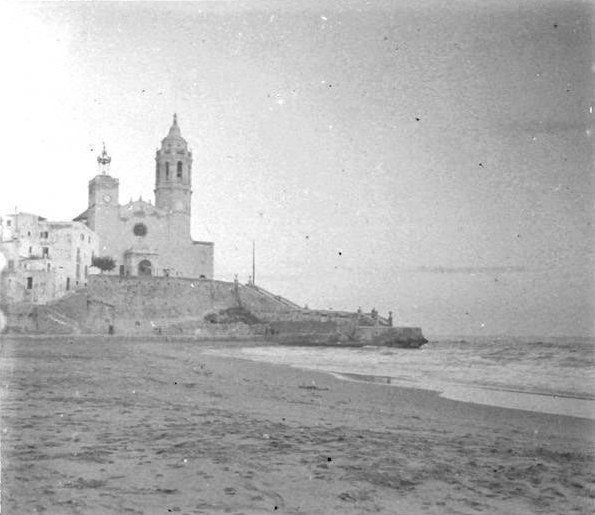
Sitges curiosities
Where does the name Sitges come from?
Sitges is the plural of Catalan 'sitja': grain silos or pits in the rock. Its first 10th-century mentions, medieval spellings and Coromines' views.
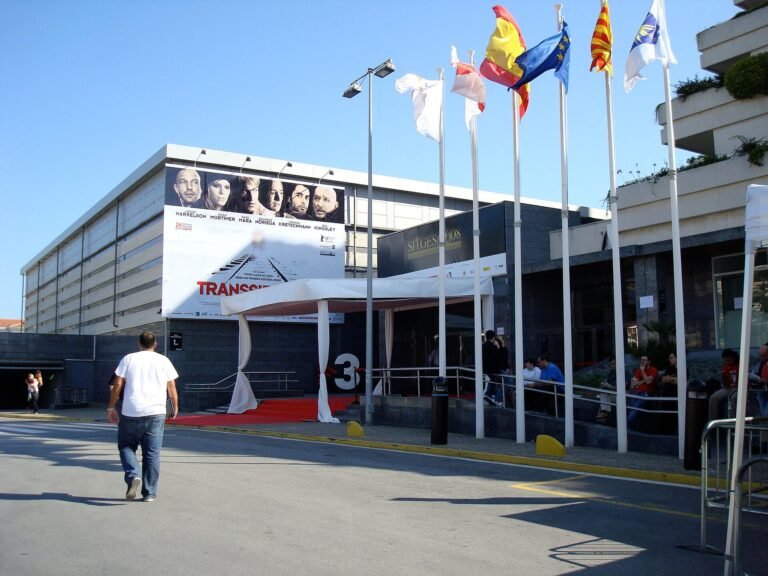
Sitges curiosities
Sitges as a film location
From the birth of the Sitges Film Festival in 1968 to documented shoots in town, from Decameron Nights to Who Can Kill a Child? and recent TV series.
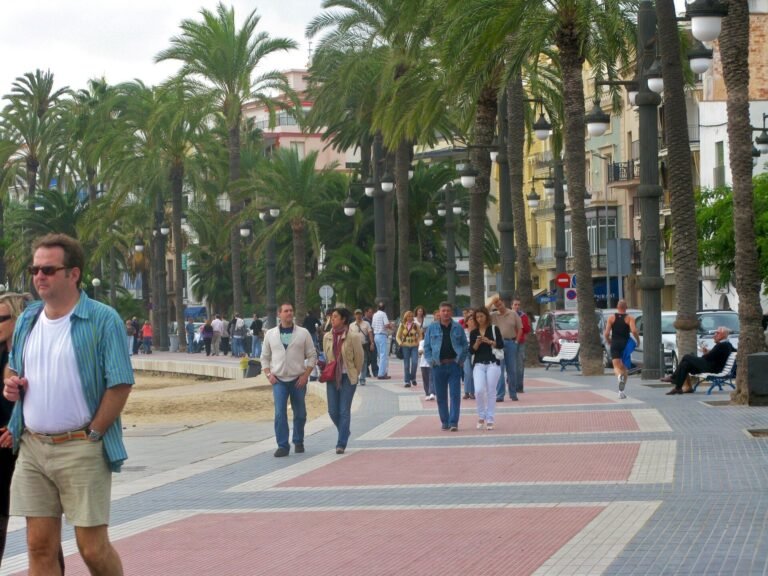
Sitges curiosities
The history of Sitges beaches
From fishermen's sand to the Passeig de la Ribera, sea bathing, the Terramar garden city and 20th-century breakwaters: how the beaches of Sitges changed.