Trade with the Americas and the Return of the “Americanos”
Ships, wine and emigration to Cuba and Puerto Rico: how the 'americanos' of Sitges made their fortunes overseas and transformed the town on their return.
Published 4 min read
._1913-1915._Ignasi_Mas,_architect_(31626268110).jpg)
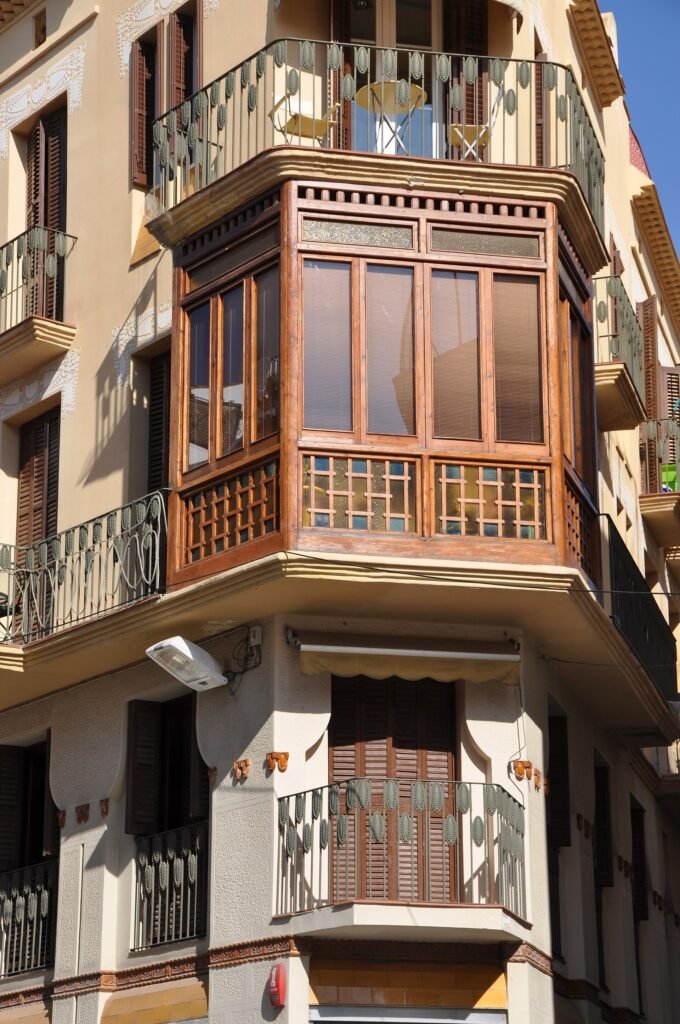
A stroll through the centre of Sitges is enough to come across houses with ornate façades, galleries and gardens that have little in common with the homes of fishermen and farmers. Many were built by the “americanos”, as people in Sitges call the locals who emigrated to the Americas, mainly to Cuba and Puerto Rico, and came back wealthy. Their story begins with the sea and with wine.
From vineyards to the Atlantic
In the second half of the 18th century Sitges opened up to the American market. Vineyards, held up by dry-stone terraces, covered almost all the farmland, and the town had a fleet and captains used to long voyages: between 1755 and 1799, according to figures quoted by the Gran Enciclopèdia Catalana, Sitges ships made more than 150 voyages to Buenos Aires, the Caribbean and the Gulf of Mexico. The free trade regulation of 1778, passed under Charles III, made it easier for Catalan ports to trade directly with the Americas, and emigration followed the flow of goods. We tell that story in the article on the seafaring tradition of Sitges.
Cuba and Puerto Rico
Emigration from Sitges was concentrated between the late 18th and the mid-19th century and grew as Spain lost its mainland American territories: Cuba and Puerto Rico, which remained Spanish, became the favourite destinations. The historian Jordi Maluquer de Motes found that most Catalan merchants established in Cuba in the mid-19th century came from the Garraf area, especially Sitges and Sant Pere de Ribes.
Those who left were nearly always young: shop assistants, sailors, craftsmen, the occasional professional. Many started out working in shops or trading houses run by relatives or people from home and, over the years, set up their own businesses. The best-known case is Facundo Bacardí Massó, born in Sitges, who arrived in Santiago de Cuba as a young man and in 1862, with his partners, founded the rum company that bears his name (he has an article of his own). Not every path was commercial: Josep de Miró Argenter, brother of the painter Joaquim de Miró, emigrated to Cuba in 1874 and became a general in the Cuban independence army.
The darker side of that trade should also be remembered. Historians point out that some Catalan business in Cuba was linked to the slave trade, even after it was formally banned, and that not every fortune had a clean origin.
The return: houses, industry and patronage
Many came back and transformed the town. According to a study by Michèle Olsina, some ninety houses linked to the americanos survive in the centre of Sitges, 29 of them in Modernista style. Among the best known are the houses of Josep Carbonell i Mussons (1888), Manuel Planas i Carbonell (1908) and Bartomeu Carbonell i Mussons, the “clock house” (casa del rellotge), designed by Ignasi Mas i Morell around 1913 on Carrer Illa de Cuba — “Island of Cuba Street”, a name that says it all. We look at them in the houses of the americanos.
The returning capital did not go only into architecture. According to the Town Council, returnees invested in the textile and footwear industries, which remained important in Sitges until the 1960s. They also acted as patrons: the americano Bartomeu Blay paid for the doors of the new Casa de la Vila, inaugurated in 1889. And they sought to perpetuate their memory in the Sant Sebastià cemetery, where their family tombs include works by sculptors such as Josep Llimona and Frederic Marès.
The end of a cycle
By the end of the 19th century the cycle had closed. The arrival of the railway in 1881 diverted transatlantic traffic to the port of Barcelona and put an end to the local fleet, and the loss of Cuba and Puerto Rico in 1898 ended emigration to the islands and brought many people home. Not every story ended well: some were ruined, some died in the Americas without ever enjoying the house they had built, and some went back to the islands because their families did not want to stay in Sitges.
Following their trail today
Among its guided itineraries, the Museus de Sitges offer a Ruta dels Americanos (Americanos Route) through the town centre and a route around Sant Sebastià cemetery focusing on its tombs. On your own, simply walk through the centre and look closely at façades, glazed balconies and ironwork. You will find more ideas in our guide to visiting Sitges.
Those houses are a reminder that the Sitges we know today was built, to a large extent, with money earned on the other side of the Atlantic.
Sources and further reading
- Una mica d’història — Ajuntament de Sitges
- Sitges — Gran Enciclopèdia Catalana
- Catalans a Cuba: comerç i emigració — Enciclopèdia Catalana
- Las moradas de los Americanos de Sitges — Michèle Olsina, Boletín Americanista (RACO)
- The Memory of our Houses: Joaquim and Josep de Miró Argenter — Ajuntament de Sitges
- Sitges Escola guide: routes — Museus de Sitges
Keep reading
History of Sitges
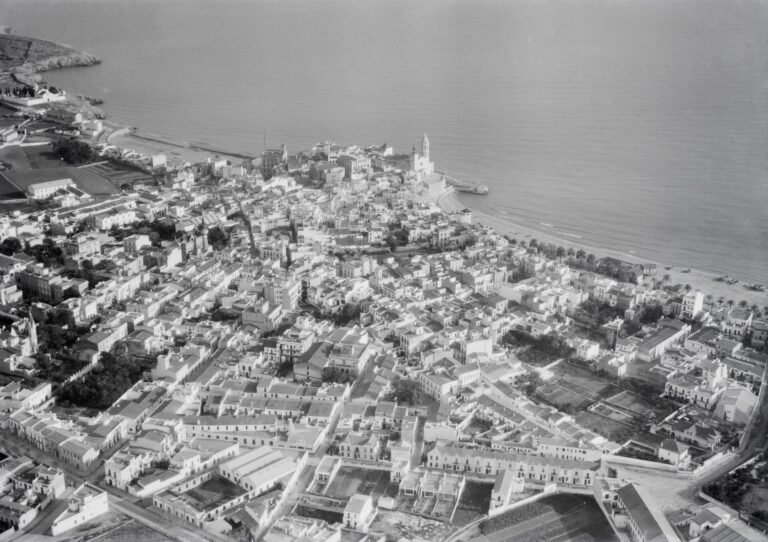
Sitges in Roman times
The Roman villa at El Vinyet, a sarcophagus turned into a fountain and the riddle of Subur: what archaeology does and does not tell us about Roman Sitges.
History of Sitges
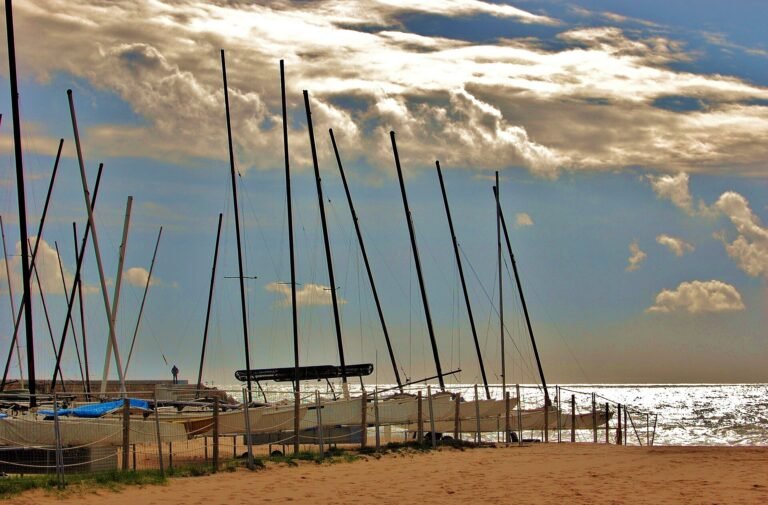
Sitges and Its Seafaring Tradition
Merchant ships, voyages to the Americas and the Baltic, corsairs, fishermen and the Emerencià Roig collection: the story of Sitges as a seafaring town.
History of Sitges
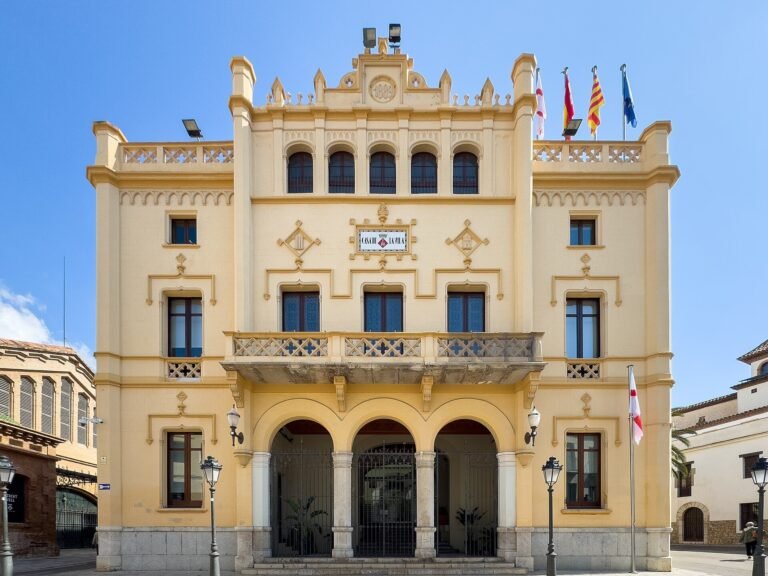
The medieval origins of Sitges
From the first 10th-century mentions to the lordship of the Pia Almoina: how the medieval town of Sitges grew up around its castle, church and walls.