The first settlers of Sitges
Neanderthals in the Cova del Gegant, Neolithic farmers and Bronze Age burials: what archaeology tells us about the earliest people to live in Sitges.
Published 4 min read
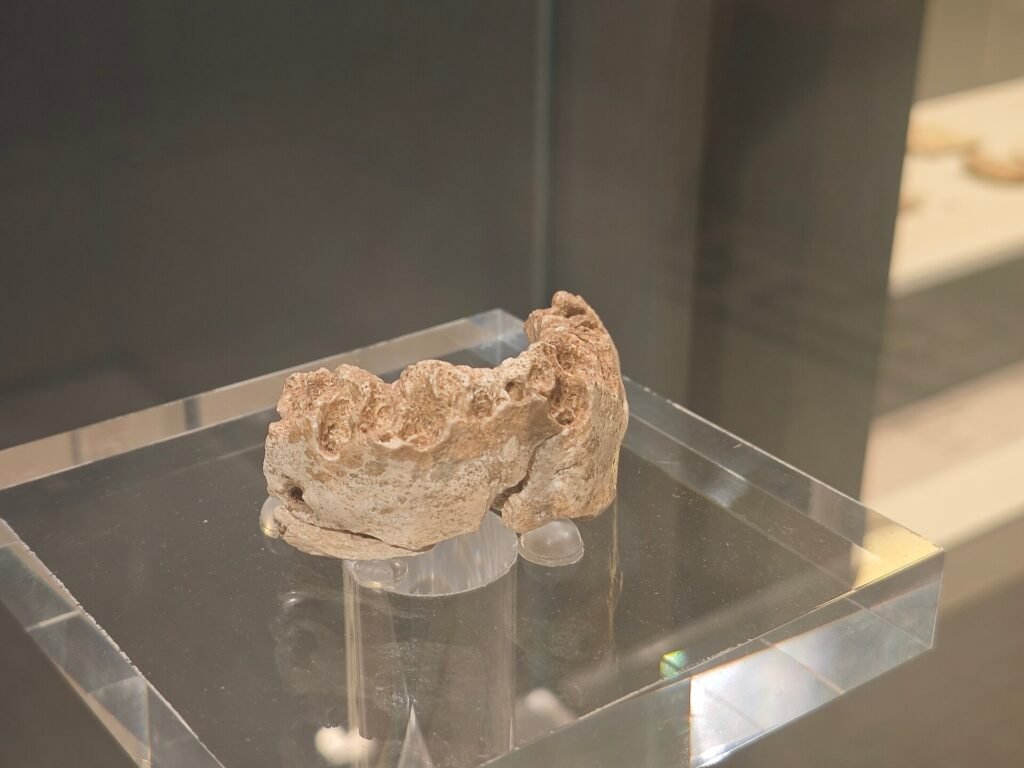

Long before there was a castle, a church or a seafaring town, the coast of Sitges already had inhabitants. They left no names or documents, only bones, flint tools and pieces of pottery hidden in the caves of the Garraf massif and on the small headland where the old town stands today.
A Neanderthal in the Cova del Gegant
The oldest human evidence in the municipality comes from the Cova del Gegant, a karst cave at the Punta de les Coves on the western shore of Sitges. It produced Pleistocene animal remains, some thirty Mousterian-type flint flakes and, above all, a Neanderthal jaw in three fragments. The jaw was identified during a review of palaeontological material from the Sitges caves, and in 2005 Joan Daura, Montse Sanz and colleagues published it and assigned it to Homo neanderthalensis. In 2010 the same team dated it directly by uranium-series analysis to about 52,300 years ago, give or take 2,300 years.
According to the Museus de Sitges, the Cova del Gegant has yielded more Neanderthal remains than any other site in Catalonia, and it is one of the few where such fossils appear alongside Middle Palaeolithic tools. Almost everything else remains unknown: how many people lived in the area, for how long, or exactly how they used the cave. The landscape was also very different, with a lower sea level and a coastline further out.
Caves now facing the sea
The Punta de les Coves has a cluster of closely spaced caves: the Cova del Gegant, the Cova dels Musclos, the Cova Verda and the Cova de la Masia de les Coves. Today their entrances lie below the waterline. The Diputació de Barcelona heritage inventory puts this down to the steady sinking of the Garraf coast and the loss of the old beaches, which stopped receiving sand after ports and breakwaters were built. Waves now threaten the sediments that hold this evidence.
The first farmers
The Neolithic, when farming and herding arrived, is best represented by the Cova de Sant Llorenç on the slope of the Turó de la Fleca. Cardial pottery, decorated with the edge of a cockle shell, places its first occupation in the Early Neolithic, around 5300 BC according to the inventory record. It was first excavated in 1919 by Miquel Utrillo, the same man who later drove the creation of the Maricel complex, and again in 1961 by Joan Bellmunt. Centuries later the cave was used for burials.
The Cova Verda, almost entirely excavated in 1973 under the direction of Antoni Ferrer, has a longer sequence: a Final Neolithic level (mid-third millennium BC), an Early Bronze Age level (around 1700-1500 BC) with Bell Beaker pottery and the remains of at least fourteen people, and a Middle Bronze Age level. Inland, the Cova del Duc or del Tro served as a burial cave around 2200 BC; finds there include callaïs and ivory necklace beads.
From the headland to the grain silos
The spot where the church and town hall stand today, known as the Puig de Sitges, has been occupied since at least the end of the Bronze Age or the start of the Iron Age. From then on, human presence is unbroken. In the Iberian period underground silos were dug to store grain, such as the one recorded in 1998 containing material from the 4th century BC, seeds and fish remains. Elsewhere in the municipality there are other Iberian settlements known only from surface finds, such as the Pujol d’en Pei (Montseva), or from rescue digs, such as the silo at Les Pruelles, which held hundreds of cockle shells. These silos tie in with the most widely accepted explanation of the town’s name, covered in where does the name Sitges come from.
What we still don’t know
The prehistory of Sitges is known only in fragments. Many sites were identified decades ago through early excavations or surface finds, and their material is scattered between the Museu d’Arqueologia de Catalunya, the Biblioteca Museu Víctor Balaguer in Vilanova i la Geltrú and other stores. Since 1999 the Quaternary Research Group at the University of Barcelona has been studying the first settlers of the Garraf-Ordal massif. Each new date refines a story that still has more questions than answers.
Walking along the beaches of Sitges today, it is hard to picture Neanderthals or Neolithic herders on this same shore. The next chapter, that of the Iberians and the Roman farming estates, is told in Sitges in Roman times.
Sources and further reading
- Cova del Gegant — Inventari del Patrimoni Cultural, Diputació de Barcelona
- Cova de Sant Llorenç — Inventari del Patrimoni Cultural, Diputació de Barcelona
- Cova Verda — Inventari del Patrimoni Cultural, Diputació de Barcelona
- Stratigraphic context and direct dating of the Neandertal mandible from Cova del Gegant (Daura et al., Journal of Human Evolution, 2010) — Portal de Recerca UAB
- The Archaeological Collection — Museus de Sitges
- El Puig de Sitges — Inventari del Patrimoni Cultural, Diputació de Barcelona
Keep reading
History of Sitges
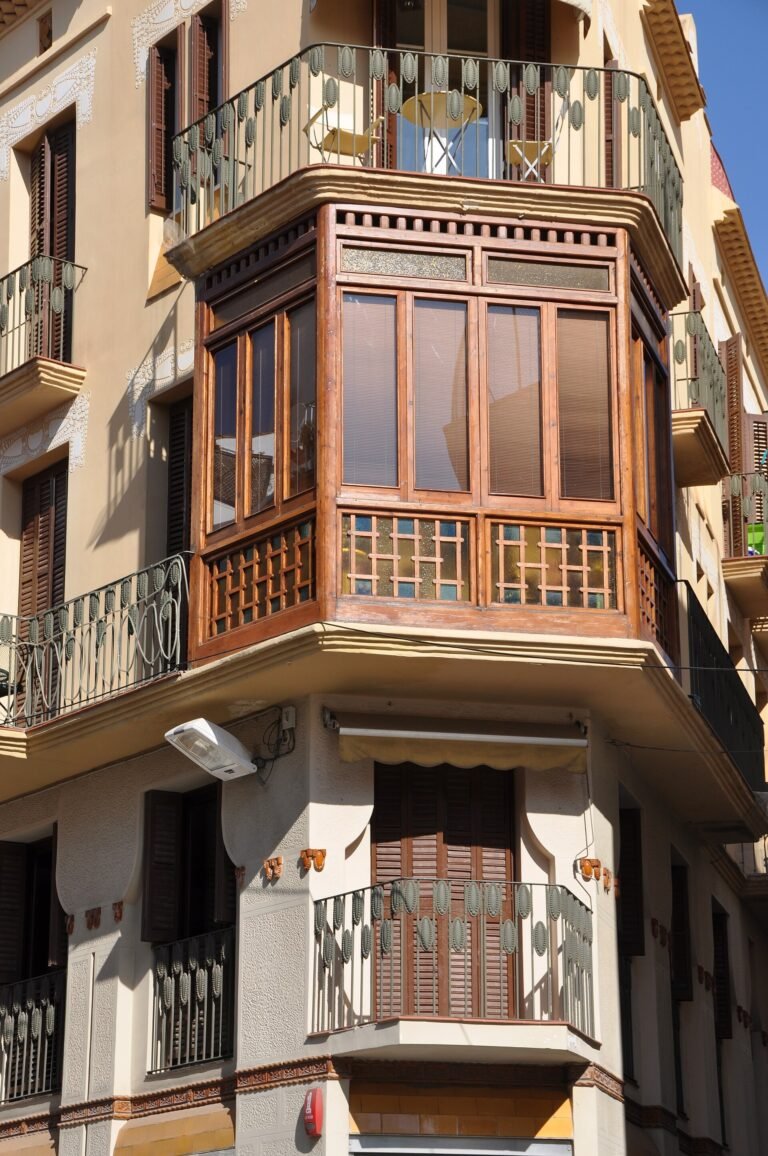
Trade with the Americas and the Return of the “Americanos”
Ships, wine and emigration to Cuba and Puerto Rico: how the 'americanos' of Sitges made their fortunes overseas and transformed the town on their return.
History of Sitges
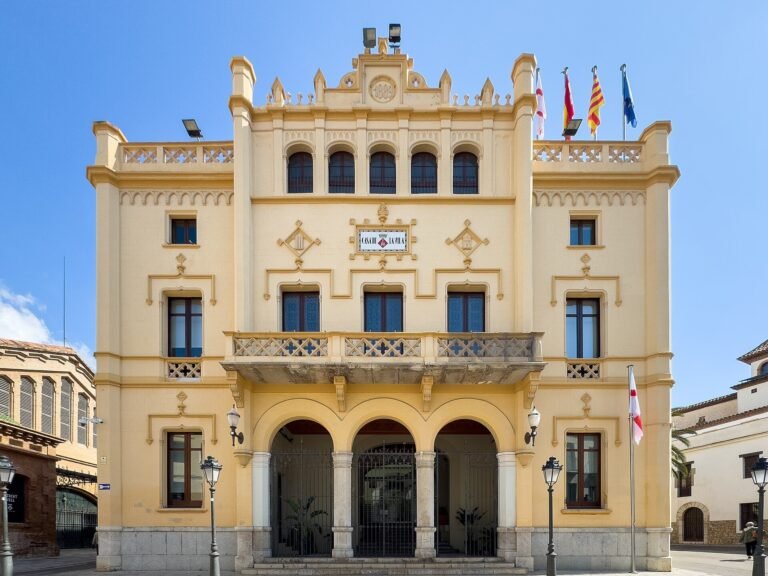
The medieval origins of Sitges
From the first 10th-century mentions to the lordship of the Pia Almoina: how the medieval town of Sitges grew up around its castle, church and walls.
History of Sitges
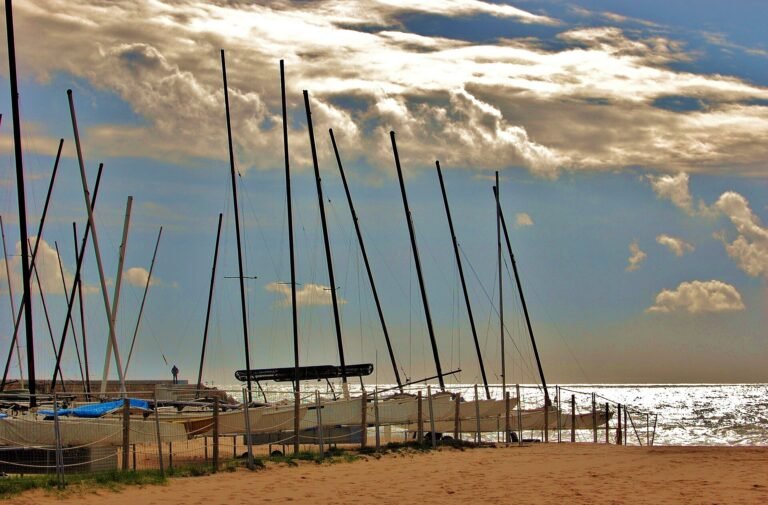
Sitges and Its Seafaring Tradition
Merchant ships, voyages to the Americas and the Baltic, corsairs, fishermen and the Emerencià Roig collection: the story of Sitges as a seafaring town.