Why is Sitges called the “Blanca Subur”?
Subur was a Roman town named by Pliny and Ptolemy. Why it is linked to Sitges, what archaeology shows, and where the 'Blanca' (white) nickname comes from.
Published 4 min read
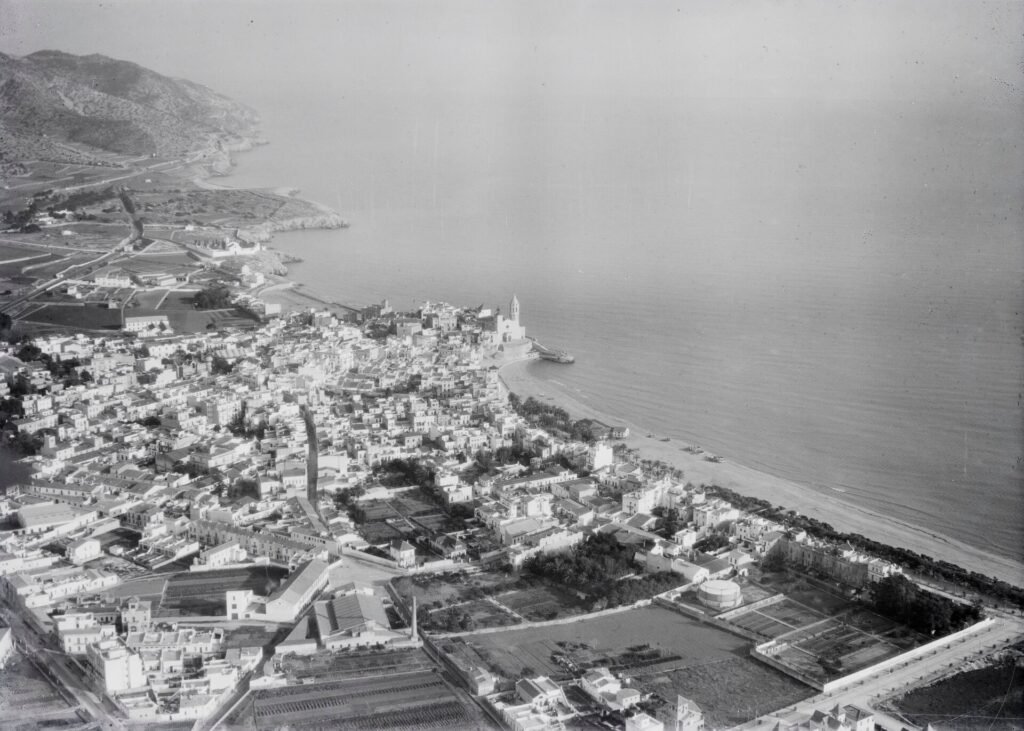
In Sitges, “Subur” is everywhere: it names a historic hotel on the seafront, sports clubs, shops and guidebooks that present the town as the “Blanca Subur”, the white Subur. The nickname combines two ideas: the whiteness of the façades seen from the sea, and the name of a Roman-era town that, according to a long tradition, lies beneath the old quarter. The first is a literary image; the second is a historical hypothesis that archaeology has gradually strengthened, without fully settling the debate.
A town named by ancient authors
Subur is not a modern invention. It is mentioned by three ancient writers, Pomponius Mela, Pliny the Elder and the geographer Claudius Ptolemy, and in an inscription kept in Tarragona which, as archaeologist Pere Izquierdo explains, records that the people of Subur had a public corporation, in other words a community with its own institutions. In his words, these are “four references to a place called Subur”.
The problem is that none of these sources says exactly where it was. The Enciclopèdia Catalana sums up the question cautiously: all that is certain is that it lay on the coast between Barcelona and Tarragona, and the identification with Sitges, though common, has no direct documentary basis.
Where was Subur?
Several locations have been proposed over the centuries. Besides Sitges, scholars have pointed to the site of Darró in Vilanova i la Geltrú and to Olèrdola; Sant Boi de Llobregat was also suggested at one point, an idea the Enciclopèdia Catalana considers unfounded. Izquierdo rules out Darró and Olèrdola because they lacked the population or fortifications needed in Roman times.
The case for Sitges rests on the archaeology of the headland where the church and museums stand today. The so-called Puig de Sitges has been a known archaeological site since the 19th century, occupied since Iberian times, and according to Izquierdo it is larger than medieval Sitges, which fits poorly with the idea of a simple rural villa. In 2013, during refurbishment work on the Cau Ferrat and Maricel museums, a trench in Carrer Fonollar yielded a 1st-century AD gold ring, fragments of amphorae from various places, imported tableware, North African cooking pottery and an iron key. Museus de Sitges presented these finds as strengthening the hypothesis that the old core of Sitges was Subur. Even so, until an inscription bearing the town’s name turns up on the site itself, the identification remains a well-argued hypothesis rather than a proven fact. The wider background is covered in Sitges in Roman times.
“Sitges la blanca”: a literary nickname
You will sometimes read that the Romans already called the town “Blanca Subur”. No ancient source says so: the classical texts give only the name Subur, with no adjectives. The nickname is modern and literary in origin.
One of the clearest early examples comes from the writer and politician Víctor Balaguer. In a text dated in Vilanova i la Geltrú in August 1895, published that year in the Madrid magazine Pro Patria and in La Vanguardia (26 September 1895), and later included in Historias y tradiciones (1896), he described the town as “Sitges la amorosa, Sitges la blanca” (“Sitges the loving, Sitges the white”). Balaguer acknowledged that the town’s ancient origins were disputed. Sitges, he wrote, might not be “the ancient Kissa or Cissa, as some claim”, and might or might not be “the rich Subur, as most maintain, and I with them”. Whiteness and the link to Subur already appear together in his text.
The sources consulted do not establish who first used the exact phrase “Blanca Subur”, nor whether Balaguer coined it or was repeating an expression already in circulation. What is documented is that, in the years of Rusiñol’s Sitges and the modernista festivals at the Cau Ferrat, the image of the white town by the sea took hold in the press and in literature, and that the Hotel Subur opened in 1916, regarded as one of the first milestones of local tourism. Over time, the name became a tourism slogan.
Between poetry and archaeology
The “Blanca Subur” shows how a place’s identity is built: a scholarly hypothesis about a Roman town, the literary image of a whitewashed village and 20th-century tourism ended up merging into a single name. The whiteness you can check for yourself by walking through the old town; the question of Subur remains in the hands of archaeologists, who add new pieces to a still unfinished puzzle with every excavation.
Sources and further reading
- Subur — Enciclopèdia Catalana
- Sitges — Enciclopèdia Catalana
- Pere Izquierdo: “En Sitges, los romanos tenían puerto, ciudad y comerciantes” — Museus de Sitges (2013)
- Los nuevos hallazgos arqueológicos reafirman la hipótesis de que Súbur fue Sitges — Museus de Sitges (2013)
- Sitges, la blanca (transcription of Víctor Balaguer’s 1895 text) — Retalls de Sitges blog
Keep reading
Sitges curiosities
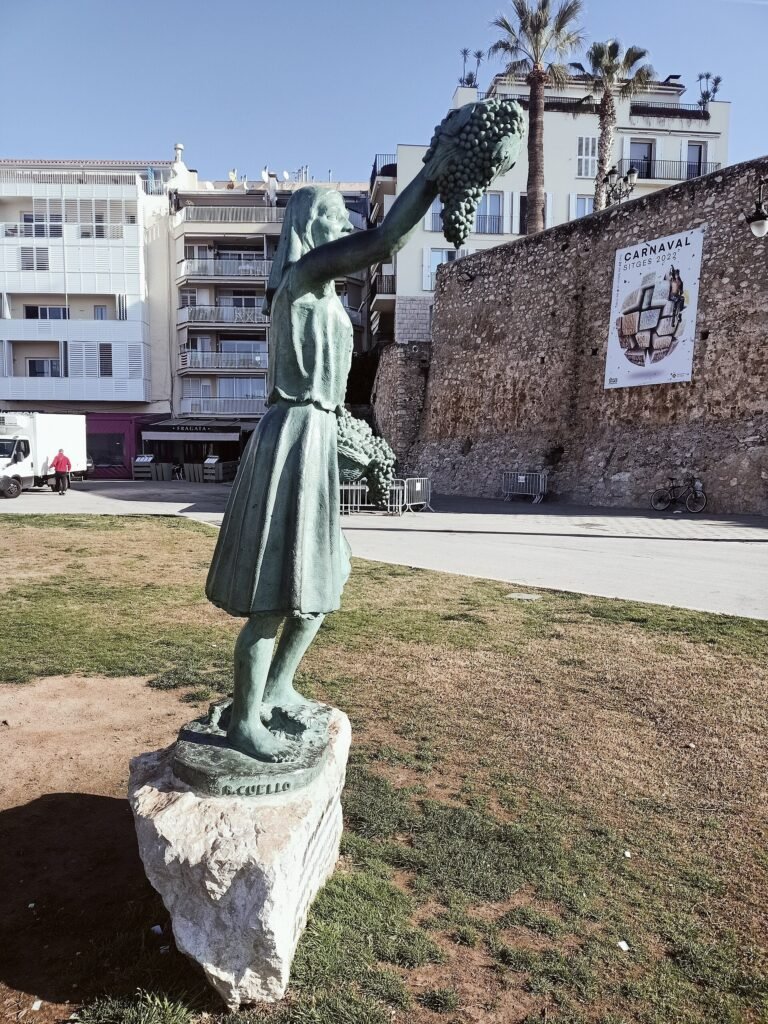
Malvasia de Sitges: the story of a wine and a bequest
The origins, heyday and crisis of Malvasia de Sitges, the Llopis bequest to the Hospital de Sant Joan Baptista and the Malvasia Interpretation Centre.
Sitges curiosities
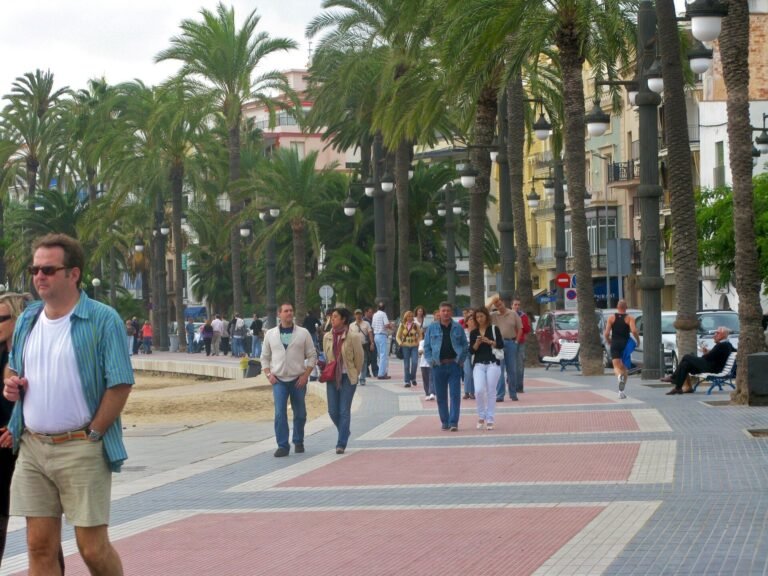
The history of Sitges beaches
From fishermen's sand to the Passeig de la Ribera, sea bathing, the Terramar garden city and 20th-century breakwaters: how the beaches of Sitges changed.
Sitges curiosities
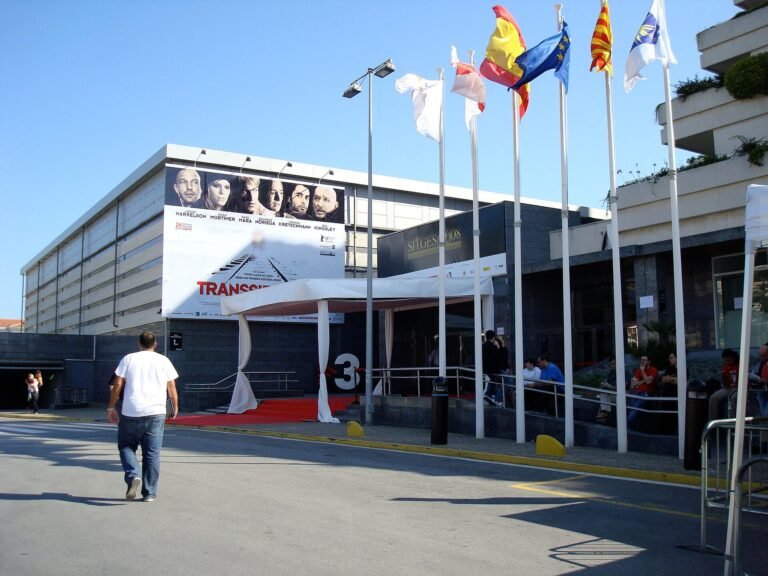
Sitges as a film location
From the birth of the Sitges Film Festival in 1968 to documented shoots in town, from Decameron Nights to Who Can Kill a Child? and recent TV series.