History & Curiosities
Sitges history and curiosities
From the Neanderthals of the Cova del Gegant to the modernista artists and the “americanos”: articles to understand how Sitges came to be.
Sitges is much more than beaches and festivals. Behind its white streets lie centuries of history: a walled town on the rock of La Punta, generations of fishermen, sailors and winegrowers, emigrants who made their fortune in the Americas and came back to build their houses, and a group of artists who, led by Santiago Rusiñol, turned the town into a landmark of Catalan Modernisme.
This section brings together accessible articles on the history, notable figures, traditions, buildings and curiosities of Sitges. They are based on official and specialist sources (Museus de Sitges, the Town Council, heritage inventories and published research), separate documented facts from tradition, and always end with their sources.
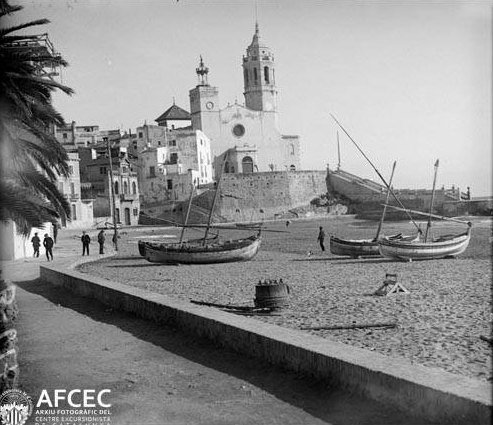

Explore the articles
Festivals, folk figures and stories from Sitges tradition.
6 articles
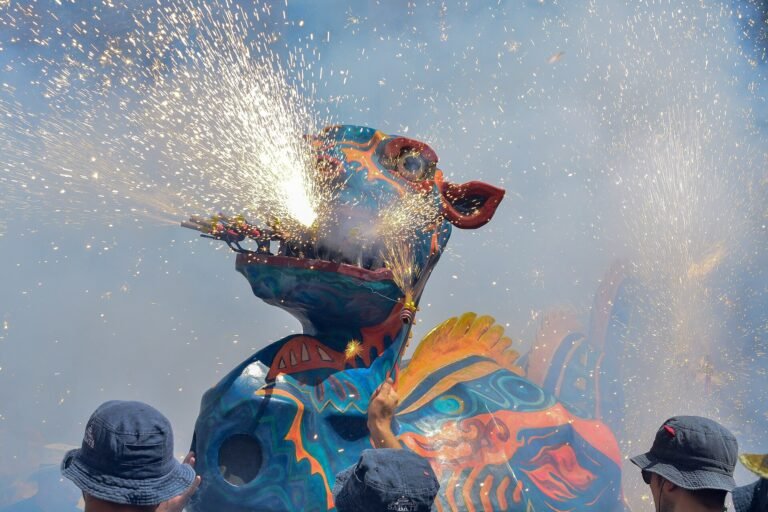
Traditions and legends
The history of the Sitges Festa Major
From its first mention in 1353 to heritage festival of national interest: how the Festa Major of Sant Bartomeu in Sitges began and has evolved.
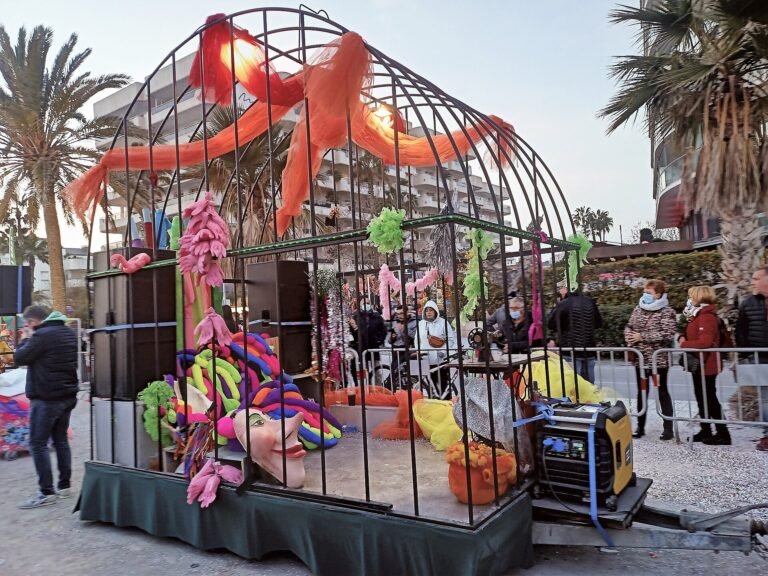
Traditions and legends
The origins and evolution of the Sitges Carnival
From the first recorded dance in 1586 to its return to the streets in 1976: bans, the Retiro and Prado clubs and the history of Sitges Carnival.
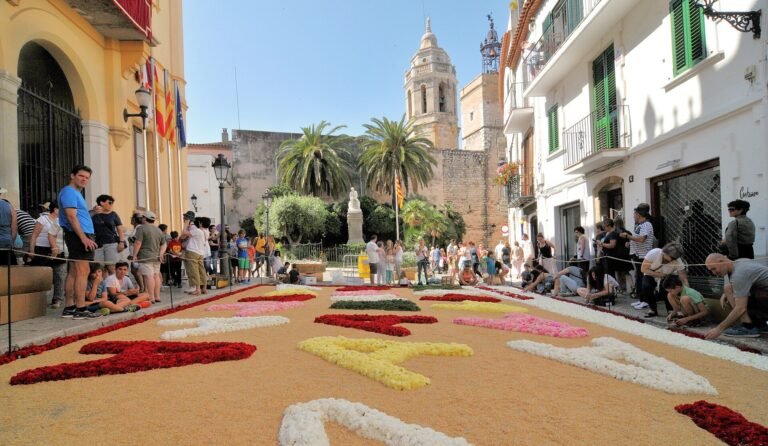
Traditions and legends
Corpus Christi and the flower carpets of Sitges
From the first record in 1360 to today's 300,000 carnations: how Corpus Christi in Sitges and its flower carpets began and evolved over time.
Traditions and legends
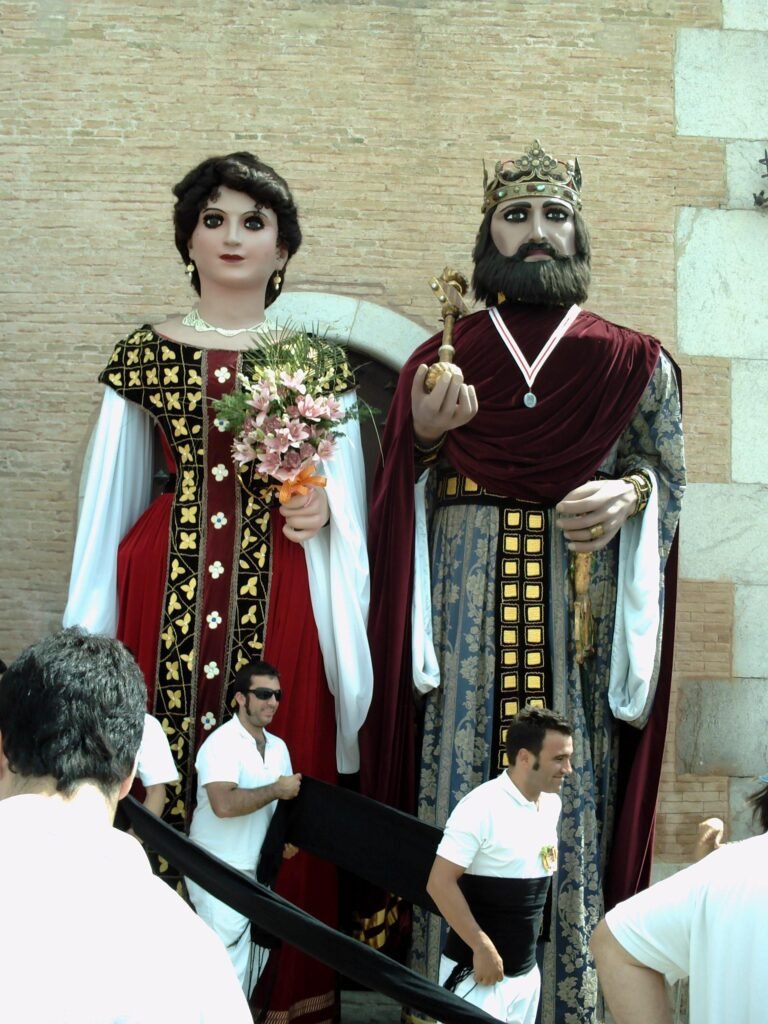
Giants and traditional festival figures of Sitges
The Christian, Moorish and Cuban giants, the 1922 Drac, the Àliga, the Diables and the Moixiganga: the documented story of the Sitges Festa Major figures.
Traditions and legends
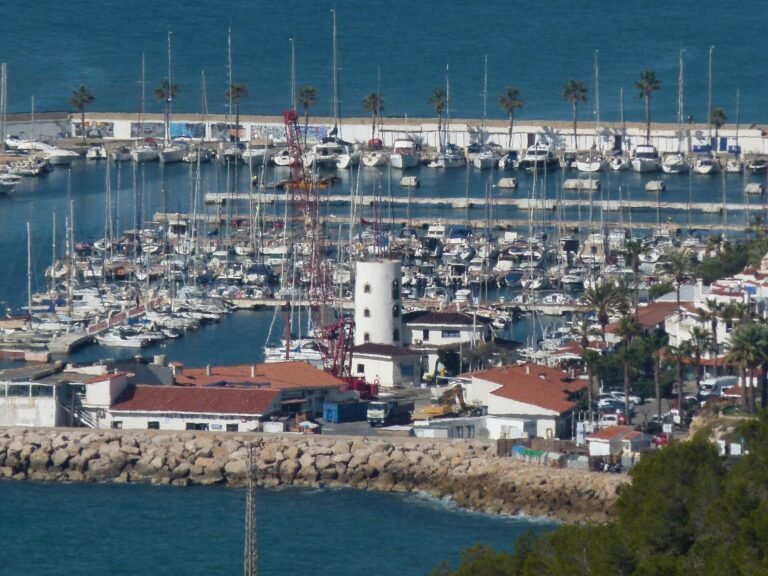
The seafaring festivals of Sitges
Sant Elm, the Mare de Déu del Vinyet and the Carme boat procession: which seafaring festivals are held in Sitges and what the sources actually say.
Traditions and legends
Legends and folk tales of Sitges
The Virgin of El Vinyet, the treasure caves and the sirens of the Garraf coast: the legends of Sitges collected by Joan Amades, told as legends.
See it for yourself
Museums, monuments and festivals where this history is still on view.
Museum
Museu del Cau Ferrat
Santiago Rusiñol’s house and studio, with his collection of wrought iron, painting and ceramics.
Museum
Museu de Maricel
Art from the Romanesque to the 20th century, in the Maricel complex by the sea.
Monument
Church of Sant Bartomeu i Santa Tecla
The Baroque church on La Punta, the best-known image of Sitges.
Tradition
Sitges Festa Major
Giants, folk dances and fireworks in honour of Sant Bartomeu, every August.