Corpus Christi and the flower carpets of Sitges
From the first record in 1360 to today's 300,000 carnations: how Corpus Christi in Sitges and its flower carpets began and evolved over time.
Published 3 min read
.jpg)
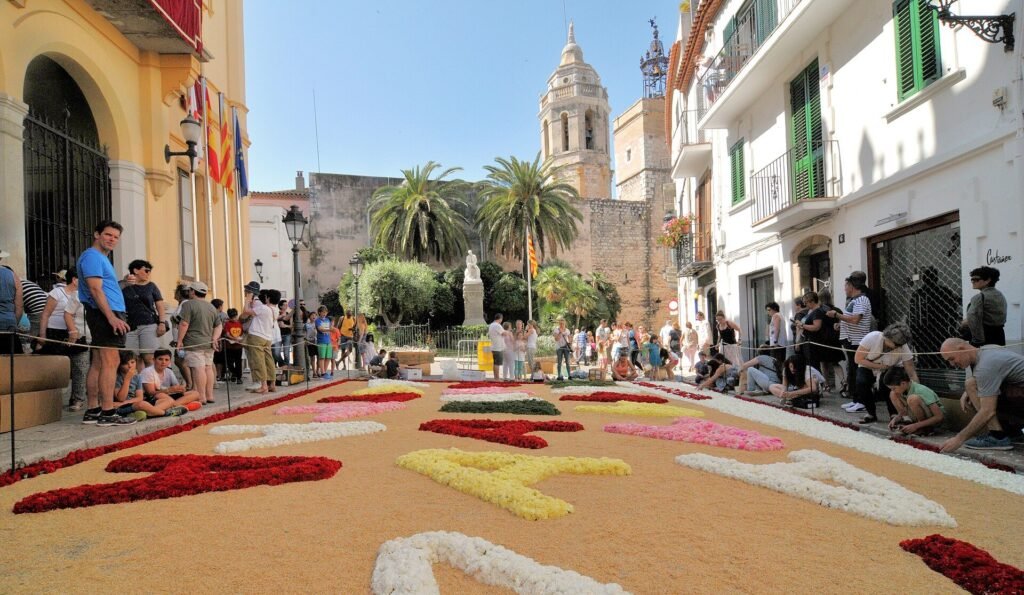
For one night a year, the streets of the old town of Sitges become an open-air workshop. Residents, groups of friends and local associations work into the small hours so that, on Sunday morning, the procession route is covered with carpets of carnations. Corpus Christi in Sitges has medieval roots, but the catifes de flors (flower carpets) as we know them today are largely a 20th-century creation.
A medieval feast
The feast of Corpus Christi was instituted by Pope Urban IV in 1264 and extended to the whole Church in the early 14th century. It took root quickly in Catalonia: Barcelona was already celebrating it in 1320, and from then on streets were decked with branches and plants for the procession. In Sitges, the earliest record is a payment for the feast entered in 1360, according to the Penedès Intangible Heritage Inventory.
The oldest surviving record of the procession route dates from the 17th century, and the route is still largely the same. It was organised by the Confraria de la Minerva, a confraternity that lasted until 1972. By the mid-19th century the structure recognisable today is documented: giants parading on the eve (first mentioned in 1845), carpets and procession. In 1886 the ou com balla — an egg that “dances” on the jet of a flower-decked fountain — is recorded in Sitges for the first time.
From doorsteps to streets
At first the decoration was domestic: each family adorned the stretch of street in front of its home and, as the Diputació de Barcelona inventory notes, the parish priest stopped at the altars that residents set up at their doors. Over time that scattered custom became the collective work of groups of friends and associations.
The decisive change came in the 20th century. In 1918, on the initiative of Miquel Utrillo, the first Exposició Nacional de Clavells (National Carnation Show) was held, linking the feast to the flower growing of the area. After four more editions there was a break until the 1930s. By the 1920s Sitges was already promoting Corpus as a tourist attraction.
War, post-war and the competition
Under the Second Republic religious processions were banned from the streets and, according to the Penedès inventory, for a time the carpets were made inside the church. They returned to the streets in 1939–1940, and in 1942 the carpet competition began; by 1949 it had 139 entries. In 1955 Corpus was declared a Festival of National Artistic Interest and, in the 1960s, of Tourist Interest.
The Foment del Turisme association played a key role in organising and promoting the feast. Sources differ on when this began: the Penedès inventory places it in the 1950s, while the Diputació record speaks of 1967, after a period of low participation, and notes that the association gave the feast a more secular character centred on the show and the carpet competition. In 1965 the Gegants Americanos were presented; they have their place in the article on giants and traditional figures.
Corpus today
Since 1989, when Corpus Thursday ceased to be a public holiday, the celebration has moved to the following weekend. In 2008 the Foment del Turisme’s management ended, the last competition was held in 2010 and the town council took back the organisation with a committee. Today the carpets are displayed without any competition. Recent editions have used more than 300,000 carnations across some thirty stretches of street, combined with other materials such as coffee or rice husks. The Exposició Nacional de Clavells is still held, now in the gardens of El Retiro, alongside a bonsai show that began in 1990.
Ephemeral flowers, lasting tradition
The carpets last only a few hours: they are walked over by the Sunday afternoon procession. That fragility is part of their appeal and explains why each edition starts from scratch, with new designs and the same sleepless night. Behind every stretch lies a chain of transmission between generations, which is what really keeps the feast alive.
Sources and further reading
- El Corpus al Penedès, festa de Corpus de Sitges — Penedès Intangible Heritage Inventory
- Corpus de Sitges record — Cultural Heritage Inventory, Diputació de Barcelona
- Festivitat de Corpus de Sitges — Surt de Casa Penedès
- Corpus: la festa. Història i evolució del Corpus de Sitges (1360-2017)
Keep reading
Traditions and legends
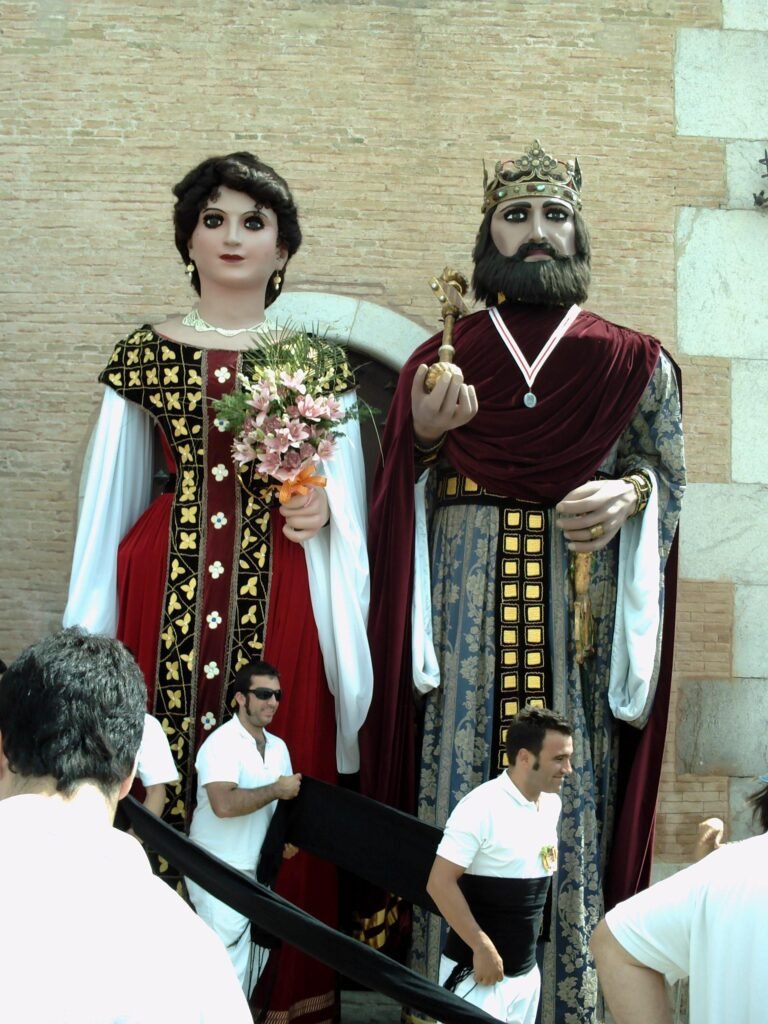
Giants and traditional festival figures of Sitges
The Christian, Moorish and Cuban giants, the 1922 Drac, the Àliga, the Diables and the Moixiganga: the documented story of the Sitges Festa Major figures.
Traditions and legends
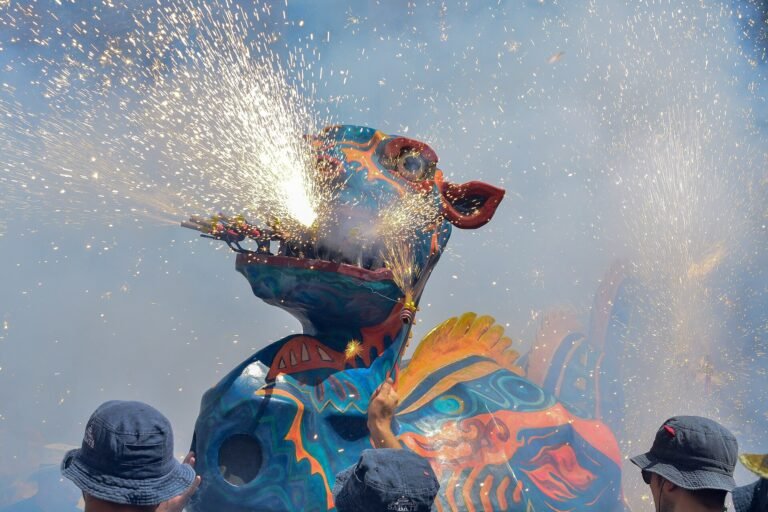
The history of the Sitges Festa Major
From its first mention in 1353 to heritage festival of national interest: how the Festa Major of Sant Bartomeu in Sitges began and has evolved.
Traditions and legends
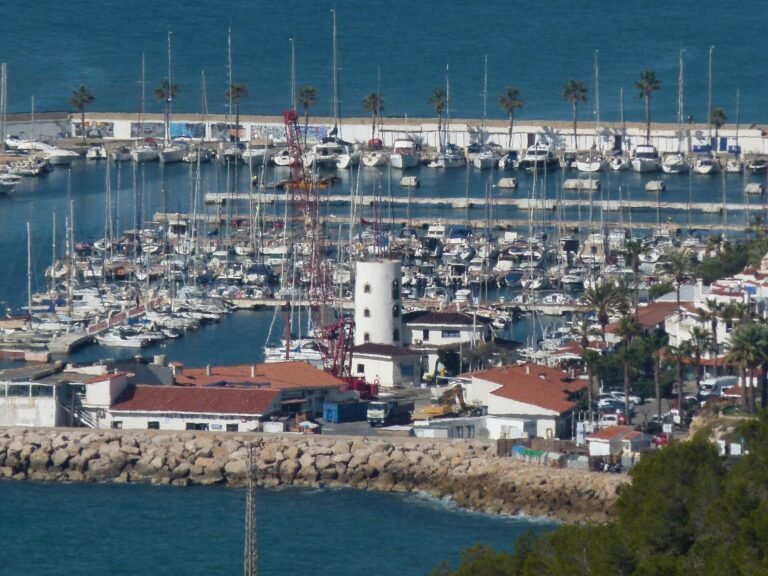
The seafaring festivals of Sitges
Sant Elm, the Mare de Déu del Vinyet and the Carme boat procession: which seafaring festivals are held in Sitges and what the sources actually say.