The seafaring festivals of Sitges
Sant Elm, the Mare de Déu del Vinyet and the Carme boat procession: which seafaring festivals are held in Sitges and what the sources actually say.
Published 4 min read
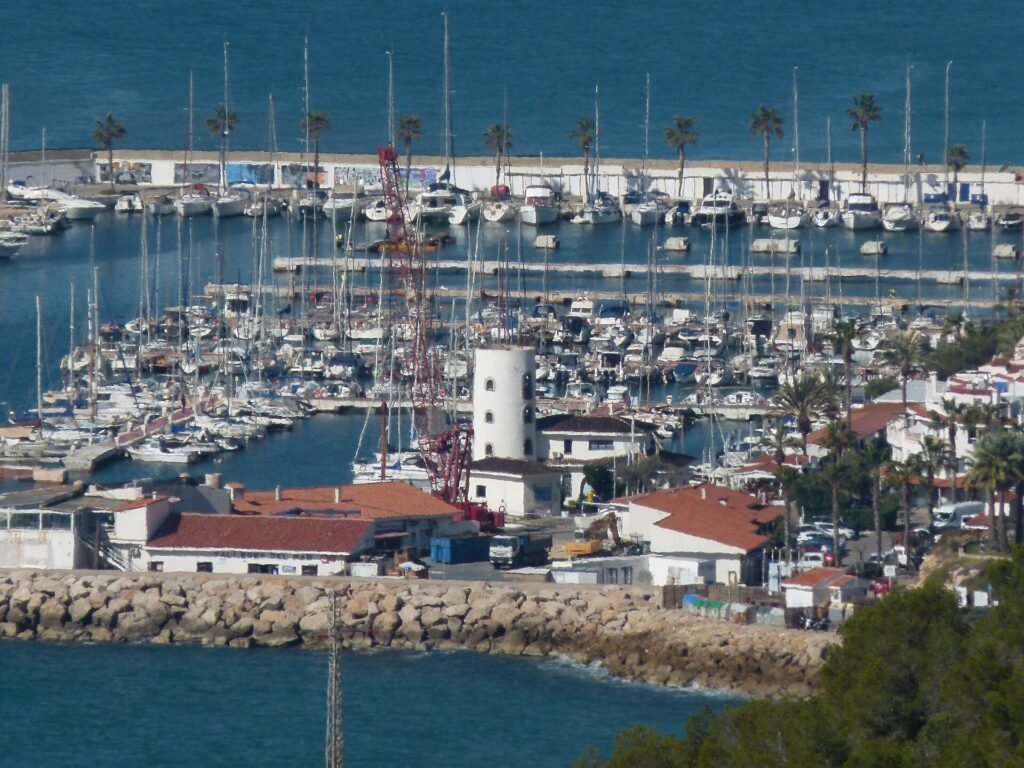

For centuries, much of Sitges lived from the sea: fishermen, coastal skippers and sailors who carried wine and goods to other ports and, later, to the Americas. That dependence on the sea left its mark on popular devotion. The seafaring festivals of Sitges are less famous than the Carnival or the Festa Major, but they help explain how a town that was always looking out to the horizon lived. Some are still alive, others survive more quietly, and one, as we will see, is linked to Sitges without any evidence that it was ever held here.
Sant Elm, patron of seafarers
The oldest seafaring devotion that can be documented is that of Sant Elm (Saint Elmo), patron of navigation. According to the Diputació de Barcelona’s heritage inventory, the confraternity of Sant Elm is documented in Sitges from 1500 and became the wealthiest in the parish. Its most visible legacy is the Sant Elm altarpiece in the church of Sant Bartomeu i Santa Tecla, inscribed with the dates 1688 and 1691 and attributed on stylistic grounds to the sculptor Jaume Tramulles. Its decoration revolves around the sea: cherubs riding sea monsters, water serpents and two reliefs showing a storm and a shipwreck. It is one of the clearest images of what the sea meant to the town: a livelihood, but also a danger.
The Mare de Déu del Vinyet, protector of the boats
The sanctuary of El Vinyet, on the edge of town, is the other great centre of seafaring devotion. The Enciclopèdia Catalana notes that it holds many ex-votos and model ships, the usual offerings of those who had survived a storm. The tradition recorded in the inventory holds that Sitges seafarers venerate the Virgin of El Vinyet as the protector of their boats, and her goigs (devotional hymns) speak of miracles in which she appeared with wet clothes, smelling of the sea, after rescuing a vessel. These are tales from oral tradition, not documented events.
Her feast is held on 5 August. According to older descriptions, a procession went from the parish church to the sanctuary along the Camí de Fondo; after the solemn Mass the goigs were sung, and in the afternoon people danced on a nearby threshing floor. Today the aplec (gathering) keeps its Masses, sardanas, a small fair and fireworks at dusk.
The Carme and the procession of boats
The truly seafaring celebration is that of the Mare de Déu del Carme (Our Lady of Mount Carmel) on 16 July, a feast shared by almost every seaside town in Catalonia. The inventory record, based on Eduard Roig’s Sitges dels nostres avis (1934) and Josep Vilà Soler’s collection of local customs (1998), describes how it used to be: the confraternity of fishermen and sailors ate chicken with samfaina, and then sailors and their families went down to the shore, where boats decked with coloured flags gathered. The parish priest led the “procession of the boats”, headed by the image of the Virgin, and participants wore scapulars, believed to protect them from the dangers of the sea.
Sources disagree about whether it is still held. The 2006 record lists it as discontinued, but Sitges Tourism describes a Mass followed by a procession of boats leaving Port d’Aiguadolç and heading west, with the image on board a fishing boat, and flowers thrown into the sea as the boats pass the cemetery. It is worth checking the what’s on listings each year to confirm whether it takes place.
Pilgrims by sea and an absence: Sant Pere
The sea was also a road. For the aplec at the Santíssima Trinitat hermitage on 11 June, some pilgrims arrived by boat and moored at Vallcarca beach.
On the other hand, we have found no source documenting a fishermen’s festival in Sitges dedicated to Sant Pere (Saint Peter) on 29 June, unlike other ports on the Catalan coast. If it existed, it has left no trace in the sources consulted.
These celebrations round out the story of Sitges’ seafaring tradition: they show that the town’s bond with the sea was not only about work, but also shaped its calendar and its beliefs.
Sources and further reading
- Diada dels pescadors i mariners, Mare de Déu del Carme — Inventari del Patrimoni Cultural, Diputació de Barcelona
- La Mare de Déu del Carme — Sitges Tourism (Visit Sitges)
- Retaule de Sant Elm — Inventari del Patrimoni Cultural, Diputació de Barcelona
- Santa Maria del Vinyet (Sitges) — Enciclopèdia Catalana
- Aplec del Santuari del Vinyet and Llegendes de la Verge del Vinyet — Inventari del Patrimoni Cultural, Diputació de Barcelona
- Aplec de l’ermita de la Santíssima Trinitat — Inventari del Patrimoni Cultural, Diputació de Barcelona
Keep reading
Traditions and legends
The history of the Sitges Festa Major
From its first mention in 1353 to heritage festival of national interest: how the Festa Major of Sant Bartomeu in Sitges began and has evolved.
Traditions and legends
The origins and evolution of the Sitges Carnival
From the first recorded dance in 1586 to its return to the streets in 1976: bans, the Retiro and Prado clubs and the history of Sitges Carnival.
Traditions and legends
Legends and folk tales of Sitges
The Virgin of El Vinyet, the treasure caves and the sirens of the Garraf coast: the legends of Sitges collected by Joan Amades, told as legends.